
Bankruptcy is a complex legal process that can have significant implications for various stakeholders involved in a company’s financial distress. Understanding the dynamics of who bears the financial burden when a company goes bankrupt is crucial for anyone involved in the business world. In this article, we will delve into the key aspects of bankruptcy, including stakeholders’ roles, legal procedures, debt obligations, and the impact on business relationships.
Table of Contents
Key Takeaways
- Creditors have priority in debt repayment in bankruptcy proceedings.
- Shareholders often face losses when a company goes bankrupt.
- Employees’ compensation may be at risk during bankruptcy.
- Bankruptcy can involve either liquidation or reorganization of the company.
- Business relationships with suppliers, customers, and competitors can be affected by bankruptcy.
Understanding Bankruptcy

Definition of Bankruptcy
Bankruptcy represents a legal status where an individual or entity is unable to repay the debts owed to creditors. This condition signifies not just a critical financial state but also a structured path towards resolving debt obligations. Bankruptcy is a complex process that involves legal proceedings to ensure fair treatment of all parties involved.
Bankruptcy can be initiated by the debtor (voluntary bankruptcy) or by creditors (involuntary bankruptcy) seeking to recoup a portion of what is owed to them. The process provides a systematic method for dealing with debt that cannot be paid under the current financial conditions of the debtor.
The goal of bankruptcy is to provide relief to the debtor while ensuring creditors receive as much payment as possible under the debtor’s financial constraints.
The implications of declaring bankruptcy are significant, affecting creditworthiness, asset possession, and business operations. It is a step taken when all other debt management and negotiation options have been exhausted.
Causes of Bankruptcy
The path to bankruptcy is often paved with a series of financial missteps and unforeseen challenges. Companies may find themselves filing for bankruptcy due to a sustained period of unprofitable operations, which erodes the capital base and leads to insolvency. Factors such as market competition, disruptive technologies, and changes in consumer behavior can also contribute significantly to a firm’s financial decline.
Economic downturns and natural disasters can exacerbate existing financial difficulties, pushing companies over the edge into bankruptcy. For instance, a recession can lead to reduced consumer spending, while a natural disaster might destroy critical business infrastructure.
- Overspending on high-interest credit cards
- Providing financial assistance to family members
- Inability to adapt to market changes
- Legal judgments or fines
Bankruptcy is not solely the result of poor financial management; it can also stem from external pressures that are beyond a company’s control. The decision to file for bankruptcy is a serious one, as it affects all stakeholders involved, from creditors to employees.
Types of Bankruptcy
Bankruptcy can take several forms, each designed to address the unique financial situations of individuals or entities. Chapter 7 bankruptcy, often referred to as liquidation bankruptcy, involves the selling of a debtor’s non-exempt assets to pay off creditors. Chapter 13 bankruptcy allows individuals with a regular income to create a repayment plan to pay back their debts over time.
For businesses facing financial distress, Chapter 11 bankruptcy offers a chance for reorganization. This type allows a company to restructure its debts and operations with the goal of becoming profitable again. Chapter 12 is specifically tailored for family farmers and fishermen, providing them with a framework to repay their debts while continuing their operations.
The type of bankruptcy filed will significantly influence the debtor’s future financial landscape and the recovery process for creditors.
Here is a brief overview of the different types of bankruptcies:
- Chapter 7: Liquidation
- Chapter 13: Repayment Plan
- Chapter 11: Large Reorganization
- Chapter 12: Family Farmers
Stakeholders in Bankruptcy

Creditors’ Rights
In the event of a company’s bankruptcy, creditors play a pivotal role in the proceedings. They are entitled to receive a portion of the assets or payments, depending on the type of bankruptcy filed and the structure of the debt. Creditors’ rights are protected by bankruptcy laws, which outline the order of payments and the legal recourse available to them.
Creditors may assert their rights through various means, including filing a proof of claim, participating in the creditors’ committee, or objecting to the debtor’s reorganization plan. The following list details some of the key rights that creditors hold in a bankruptcy case:
- Filing proofs of claim to officially assert the amount owed.
- Participating in the creditors’ committee to oversee the reorganization process.
- Objecting to the discharge of debts if fraud or misconduct is suspected.
- Seeking relief from the automatic stay to continue with foreclosure or repossession actions.
Creditors are often involved in bankruptcy-related litigation, out-of-court workouts, and other special situations to protect their interests and maximize their potential recovery.
The rights of creditors are essential in maintaining the integrity of the bankruptcy process, ensuring that all parties adhere to the legal framework designed to equitably distribute the debtor’s assets.
Shareholders’ Losses
When a company declares bankruptcy, shareholders are often the last in line to recoup their investment. Equity holders, such as stockholders, may face significant financial losses as the value of their shares plummets. In many cases, shares can become completely worthless if the company’s assets are insufficient to satisfy its debts.
Shareholders may experience different outcomes depending on the bankruptcy chapter under which the company files. For instance, in Chapter 7 bankruptcy, where a company liquidates its assets, shareholders are unlikely to receive any payout. However, in Chapter 11 reorganization, there may be a chance for shareholders to retain some value, although this is not guaranteed.
The hierarchy of debt repayment in bankruptcy often leaves shareholders with little to no compensation after creditors and bondholders have been paid.
The following list outlines the typical order of payment in a bankruptcy scenario:
- Secured creditors
- Unsecured creditors
- Bondholders
- Preferred shareholders
- Common shareholders
Employees’ Compensation
When a company declares bankruptcy, the fate of unpaid wages owed to employees can vary significantly. The type of bankruptcy filed plays a crucial role in determining if and how employees will be compensated for their work.
Employees are often considered priority creditors, which means they are higher up in the queue for repayment, but this does not guarantee full compensation. The priority given to employee claims for unpaid wages is subject to statutory limits and depends on the specifics of the bankruptcy case.
In many cases, employees may receive only a fraction of the wages they are owed, and sometimes, they may not receive any compensation at all.
The following list outlines the general order of priority for employee compensation in bankruptcy:
- Wages, salaries, or commissions earned within 180 days of the bankruptcy filing or the date of the cessation of the business, up to a certain amount.
- Contributions to employee benefit plans.
- Claims for injury caused by the debtor’s operation of the business.
Understanding the implications of bankruptcy on employees’ compensation is essential for workers facing the uncertainty of a bankrupt employer.
Legal Procedures in Bankruptcy

Filing for Bankruptcy
The initiation of the bankruptcy process begins with the filing for bankruptcy, which is a formal procedure where a debtor seeks relief from overwhelming debts. The filing acts as a legal acknowledgment of the debtor’s inability to pay their obligations. It’s a critical step that provides temporary protection against creditors, halting all collection efforts, foreclosures, and repossessions.
- Determine the type of bankruptcy to file (e.g., Chapter 7 or Chapter 11).
- Complete mandatory credit counseling.
- Prepare and file a petition with the bankruptcy court, including all financial documents.
- Pay the filing fee or request a waiver if unable to afford it.
The act of filing is a pivotal moment for debtors, as it marks the transition from financial distress to seeking a structured resolution under the protection of the bankruptcy court.
Bankruptcy Court Process
Once a company files for bankruptcy, the court process begins with the appointment of a bankruptcy judge who oversees the case. The judge’s role is to ensure that the bankruptcy laws are applied correctly and that the rights of all parties are protected. A key component of this process is the meeting of creditors, where they can question the debtor about their finances and the proposed plans for repayment.
The bankruptcy court process is designed to be transparent and equitable, providing a structured environment for debt resolution.
Following the meeting, the court will review the debtor’s assets and liabilities, and a trustee may be appointed to manage the estate. The trustee’s responsibilities include liquidating assets, if necessary, and distributing the proceeds to creditors according to the priority established by law. Here is a simplified list of steps typically involved in the bankruptcy court process:
- Filing of the bankruptcy petition
- Automatic stay of collection actions
- Appointment of a trustee
- Meeting of creditors
- Submission and confirmation of a reorganization plan or liquidation
- Discharge of debts
Debt Discharge
Debt discharge is a pivotal moment in the bankruptcy process, representing the point at which the debtor is legally released from the obligation to repay certain debts. This relief is not absolute, as some obligations are deemed non-dischargeable by law. For instance, alimony and child support, most types of taxes, and government-imposed fines or penalties typically survive the bankruptcy discharge.
The scope of dischargeable debts varies depending on the type of bankruptcy filed. Here’s a brief overview of debts that are generally not subject to discharge:
- Student loans, unless undue hardship is proven
- Debts for personal injury caused by driving while intoxicated
- Certain long-term obligations, like home mortgages, that extend beyond the term of the bankruptcy plan
The goal of debt discharge is to provide a fresh start for the debtor, but it also marks the end of the line for creditors seeking repayment of certain debts.
It’s important for debtors to understand the limitations of debt discharge to set realistic expectations about their financial recovery post-bankruptcy.
Debts and Obligations
Secured vs. Unsecured Debts
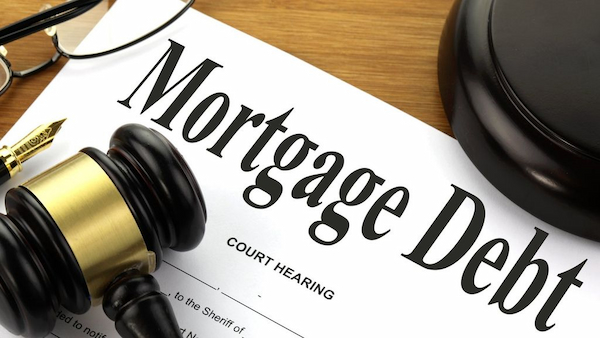
In the realm of bankruptcy, debts are categorized as either secured or unsecured, which determines their priority in repayment. Secured debts are backed by collateral, meaning the creditor has a lien on an asset of the debtor. If the debtor defaults, the creditor can seize the asset to satisfy the debt.
Unsecured debts, on the other hand, do not have collateral backing them. These include credit card debts, medical bills, and personal loans. In the event of bankruptcy, unsecured creditors typically receive payment only after secured creditors have been satisfied, and only if there are remaining assets to distribute.
The distinction between secured and unsecured debts is crucial as it directly influences the order in which debts are paid during the bankruptcy process.
Here is a simple breakdown of the priority of debt repayment in bankruptcy:
- Secured creditors
- Mortgage lenders
- Auto loan creditors
- Unsecured creditors
- Credit card companies
- Medical billers
- Personal loan lenders
Priority of Debt Repayment
In the event of a company’s bankruptcy, the order in which debts are repaid is governed by a set of legal priorities. Secured creditors are typically at the top of the hierarchy, as their loans are backed by collateral. They are followed by unsecured creditors, who do not have the benefit of collateral but may still hold significant claims.
Priority debts, such as taxes and employee wages, are settled before other unsecured debts. This is crucial for ensuring that critical obligations are met even in dire financial circumstances. Below is a simplified list of the typical order of priority:
- Secured creditors
- Priority unsecured creditors (e.g., taxes, wages)
- Non-priority unsecured creditors (e.g., bondholders, suppliers)
- Equity holders
The process of debt repayment in bankruptcy is designed to be equitable, ensuring that those with legal priority are compensated first. However, it is not uncommon for lower-priority creditors to receive only a fraction of what is owed, if anything at all.
Reorganization Plans
When a company files for bankruptcy with the intention to continue its business operations, it must propose a reorganization plan. This plan outlines how the company will settle its debts and obligations while maintaining its viability. The reorganization plan must be feasible, equitable, and in the best interests of the creditors.
A reorganization plan typically includes measures such as renegotiating terms with creditors, downsizing operations, or selling off assets. The goal is to emerge from bankruptcy as a leaner, more efficient organization. For the plan to take effect, it must be confirmed by the bankruptcy court.
The reorganization plan must include drastic steps to reduce costs and increase revenue in order to be approved by a bankruptcy judge.
The following list outlines the general components of a reorganization plan:
- A detailed description of how the business will be restructured.
- Provisions for repaying creditors over a certain period.
- Identification of contracts and leases that will be rejected or assumed.
- A plan for the continuation or termination of operations in certain areas.
Liquidation vs. Reorganization

Liquidation Process
In a liquidation bankruptcy, a company ceases operations and its assets are sold off to repay creditors. This process is designed to provide an orderly way to pay off debts when a company is unable to continue its business. The goal is to distribute the proceeds from asset sales to creditors as fairly and efficiently as possible.
During liquidation, assets are categorized and valued before being sold. The funds raised are then allocated according to the priority of claims, with secured creditors typically being paid first. Here’s a simplified list of steps in the liquidation process:
- Assessment of the company’s assets
- Valuation of assets
- Sale of assets
- Distribution of proceeds to creditors
Liquidation bankruptcy allows companies to discharge qualifying debt they cannot repay, providing relief and a chance to move forward less burdened.
It’s important to note that not all debts may be discharged in a liquidation bankruptcy. Certain obligations, such as taxes and employee wages, often have priority over other debts.
Chapter 7 Bankruptcy
Chapter 7 bankruptcy, often referred to as liquidation bankruptcy, is designed for debtors in financial difficulty who do not have the ability to pay their existing debts. Creditors may receive payment from the sale of non-exempt assets by a trustee who manages the bankruptcy estate.
In this process, the debtor’s assets are categorized and valued. Exemptions based on state or federal law are applied, and any non-exempt assets are sold.
The proceeds from the sale are then distributed to creditors according to the priority established by bankruptcy law. Typically, secured creditors are paid first, followed by unsecured creditors. Some debts, such as alimony, child support, and certain taxes, cannot be discharged in Chapter 7 bankruptcy.
- Determine eligibility for Chapter 7
- File a petition with the bankruptcy court
- Trustee sells non-exempt assets
- Proceeds distributed to creditors
- Remaining debts may be discharged
Chapter 11 Bankruptcy
Chapter 11 Bankruptcy, often referred to as reorganization bankruptcy, is designed for businesses seeking to restructure their debts while remaining operational. This type of bankruptcy allows a company to create a plan to repay creditors over time, which must be approved by the bankruptcy court. Unlike Chapter 7, Chapter 11 does not necessarily involve liquidation of assets.
Creditors play a significant role in Chapter 11 cases. They have the right to vote on the proposed reorganization plan and can also propose alternative plans. The process aims to balance the debtor’s need for a fresh start with the creditors’ right to be repaid.
In Chapter 11, the debtor retains control of its assets as a ‘debtor in possession’ and is given a period to propose a reorganization plan.
The success of a Chapter 11 bankruptcy can be seen in the ability of a business to emerge leaner, more efficient, and financially viable. However, not all businesses succeed in reorganizing and some may eventually convert to Chapter 7 bankruptcy or end in liquidation.
Impact on Business Relationships
Suppliers and Vendors
When a company declares bankruptcy, the ripple effects extend to its business relationships, particularly with suppliers and vendors. These entities often find themselves in precarious positions, having to navigate the uncertainty of payment for goods and services provided. The priority of their claims depends on the nature of their agreements and the type of bankruptcy filed.
Suppliers and vendors may need to reassess their strategies to mitigate losses. This could involve tightening credit terms, seeking alternative customers, or even becoming a creditor in the bankruptcy process. The following list outlines potential actions they might take:
- Reviewing the terms of their contracts
- Attending creditors’ meetings
- Filing a proof of claim
- Exploring options for reclaiming goods
In the event of a Chapter 11 reorganization, suppliers and vendors may continue to do business with the company under new terms, which can provide an opportunity for renegotiating contracts and securing better positions for future transactions.
Customers and Contracts
When a company declares bankruptcy, the impact on its customers and contracts can be significant. Contracts may be voided or altered, depending on the type of bankruptcy filed and the decisions of the bankruptcy court. Customers may find themselves in a precarious position, especially if they have prepaid for goods or services that the bankrupt company can no longer deliver.
Customers’ claims are often considered unsecured debts unless they are backed by a specific collateral. This means they are typically lower in priority during the debt repayment process. However, the bankruptcy code does provide some measures to protect consumer deposits, up to a certain amount.
- Consumer deposits up to $2,850 are given priority.
- Gift cards and warranties may become worthless.
- Orders in process might be canceled or delayed.
The fate of customer contracts is largely at the mercy of the bankruptcy proceedings. While some may continue under modified terms, others may be terminated, leaving customers to seek remedies elsewhere.
Competitors and Market Position
When a company declares bankruptcy, it can send ripples through the competitive landscape. Bankruptcy can significantly alter market dynamics, often leading to a redistribution of market share. Competitors may benefit from the reduced competition, but they also face the risk of losing a business partner or a key player in the industry ecosystem.
Bankruptcy can also serve as a cautionary tale for other companies, prompting them to reassess their financial health and business strategies. The following points outline the potential impacts on competitors and market position:
- Competitors may acquire assets or customer bases from the bankrupt company at a reduced cost.
- Remaining companies might experience increased demand as customers seek new suppliers.
- Bankruptcy can trigger a consolidation trend within the industry, leading to fewer but stronger competitors.
The strategic moves made by competitors in the wake of a bankruptcy can redefine the competitive hierarchy and influence the future landscape of the industry.
Market share concentration for the Bankruptcy Lawyers & Attorneys industry is low, which indicates that no single firm dominates the market. This fragmentation suggests that the impact of a bankruptcy on competitors can vary widely depending on their size, adaptability, and strategic positioning.
Conclusion
In conclusion, understanding who bears the financial burden when a company goes bankrupt is crucial for all stakeholders involved. From creditors to shareholders to employees, the implications of a company’s insolvency can have far-reaching effects. By delving into the complexities of bankruptcy proceedings and the distribution of assets, we can gain a better grasp of the financial responsibilities and outcomes in such situations. It is imperative for individuals and entities to be aware of their rights and obligations in the event of a company’s collapse, as this knowledge can help mitigate losses and navigate the challenging terrain of insolvency proceedings.
Frequently Asked Questions
What is bankruptcy?
Bankruptcy is a legal process that allows individuals or businesses to seek relief from their debts and obligations when they are unable to repay them.
Who can file for bankruptcy?
Both individuals and businesses can file for bankruptcy, depending on their financial situation and the type of debts they have.
What are the main causes of bankruptcy?
The main causes of bankruptcy can include excessive debt, economic downturns, poor financial management, and unexpected expenses.
How are creditors’ rights protected in bankruptcy?
Creditors’ rights are protected through the bankruptcy process, which ensures that they receive a fair distribution of the debtor’s assets.
What happens to shareholders when a company goes bankrupt?
Shareholders often face losses when a company goes bankrupt, as their investments may become worthless.
How are employees compensated in bankruptcy?
Employees may receive compensation for unpaid wages, benefits, and other entitlements through the bankruptcy process.
What is the difference between secured and unsecured debts in bankruptcy?
Secured debts are backed by collateral, while unsecured debts are not. Secured debts have priority in repayment.
What is the impact of bankruptcy on business relationships?
Bankruptcy can strain relationships with suppliers, customers, and competitors, as it may lead to disruptions in contracts and market positions.