Building a custom home is an exciting and rewarding process that allows you to create a space that perfectly suits your needs and preferences. However, it can also be a complex undertaking that requires careful planning and organization. In this article, we will outline the essential steps to building a custom home, from choosing the right location to completing interior and exterior finishes. By following these steps, you can ensure that your custom home construction project is a success.
Table of Contents
Key Takeaways
- Research local communities and consider proximity to amenities when choosing the location for your custom home.
- Work with an architect to design a functional floor plan and select the exterior design that suits your style.
- Understand mortgage options, get pre-approved, and compare lenders to secure financing for your custom home.
- Research and interview contractors, check references and past projects, and negotiate the contract when hiring a general contractor.
- Understand local building codes, submit permit applications, and coordinate with inspectors to obtain permits and approvals for your custom home construction.
Choosing the Right Location
Researching Local Communities
When choosing the right location for your custom home, it’s important to thoroughly research local communities. This includes understanding the demographics, amenities, and overall vibe of the area. Consider factors such as the proximity to schools, shopping centers, and recreational facilities. Additionally, evaluate the surrounding environment, including the quality of the neighborhood, access to public transportation, and potential for future development.
Considering Proximity to Amenities
When choosing the location for your custom home, it’s important to consider the proximity to amenities. Convenience is a key factor in determining the value and livability of a property. Being close to amenities such as grocery stores, schools, parks, and entertainment options can greatly enhance your daily life.
One way to evaluate the proximity to amenities is by conducting a walkability assessment. This involves determining how easily accessible and pedestrian-friendly the neighborhood is. Look for sidewalks, crosswalks, and nearby amenities within a reasonable walking distance.
In addition to walkability, consider the availability of public transportation. Having access to public transportation options like buses or trains can make it easier to commute to work or explore the surrounding area without relying solely on a car.
Lastly, take into account the future development plans for the area. Research any upcoming projects or infrastructure improvements that may enhance or detract from the proximity to amenities in the long run.
Evaluating the Surrounding Environment
When building a custom home, it is crucial to carefully evaluate the surrounding environment. This includes considering factors such as the topography of the land, the presence of natural features like trees or bodies of water, and the overall climate of the area. By understanding the unique characteristics of the environment, you can make informed decisions about the design and construction of your home.
Designing Your Dream Home

Working with an Architect
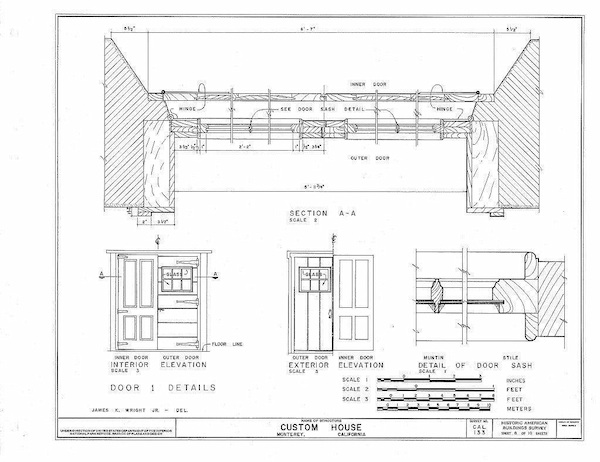
Working with an architect is a crucial step in designing your dream home. Architects are trained professionals who can bring your vision to life and ensure that your home is functional, aesthetically pleasing, and meets all building codes and regulations. They have the expertise to create a floor plan that maximizes space and flow, and they can help you select the exterior design that matches your style and preferences. Collaborating with an architect allows you to customize every aspect of your home and create a unique living space that reflects your personality and lifestyle.
Creating a Functional Floor Plan
When designing your dream home, one of the most important steps is creating a functional floor plan. A functional floor plan ensures that the layout of your home meets your needs and maximizes the use of space. It involves carefully considering the placement of rooms, the flow between spaces, and the overall layout of the house. Here are some key factors to consider when creating a functional floor plan:
Selecting the Exterior Design
When it comes to selecting the exterior design of your custom home, there are several factors to consider. Style is an important aspect to think about, as it sets the overall aesthetic of your home. Whether you prefer a modern, traditional, or farmhouse style, it’s essential to choose a design that reflects your personal taste and complements the surrounding environment.
Another consideration is the materials used for the exterior. From brick and stone to siding and stucco, each material has its own unique characteristics and maintenance requirements. It’s important to research and compare the options to find the best fit for your home’s style, durability, and budget.
In addition to style and materials, color plays a significant role in the exterior design. The right color palette can enhance the architectural features of your home and create a welcoming curb appeal. Consider the overall look and feel you want to achieve and choose colors that harmonize with the surrounding landscape.
Tip: Consult with an architect or design professional to ensure your exterior design choices align with your vision and meet any local regulations or restrictions.
Securing Financing

Understanding Mortgage Options
When it comes to financing your custom home, understanding mortgage options is crucial. Choosing the right mortgage can have a significant impact on your overall financial situation. Here are some key factors to consider:
- Interest rates: Compare rates from different lenders to find the best option.
- Loan terms: Determine the length of the loan that works best for your financial goals.
- Down payment: Decide how much you can afford to put down upfront.
- Closing costs: Take into account the additional fees associated with closing the loan.
It’s important to do your research and consult with a mortgage professional to ensure you make an informed decision. Remember, the mortgage you choose will affect your monthly payments and long-term financial stability.
Getting Pre-Approved
Before starting the home construction process, it is important to get pre-approved for a mortgage. This step involves contacting lenders and providing them with your financial information, such as income, credit score, and debt. The lender will then evaluate your financial situation and determine how much they are willing to lend you. Getting pre-approved gives you a clear understanding of your budget and helps you narrow down your options when designing your custom home.
Comparing Lenders
When it comes to securing financing for your custom home, comparing lenders is a crucial step. It’s important to research and evaluate different lenders to find the best options for your specific needs. Here are some key factors to consider when comparing lenders:
Hiring a General Contractor
Researching and Interviewing Contractors
When it comes to researching and interviewing contractors for your custom home project, there are a few key steps to follow:
- Start by asking for recommendations from friends, family, or neighbors who have recently built their own homes. They can provide valuable insights and recommendations based on their own experiences.
- Use online resources such as contractor directories and review websites to find potential contractors in your area. Read reviews and ratings from previous clients to get an idea of their reputation and quality of work.
- Once you have a list of potential contractors, schedule interviews with each of them. During the interview, ask about their experience, qualifications, and portfolio of past projects. It’s important to find a contractor who has experience with custom home construction.
- Request references from the contractors and follow up by contacting their previous clients. Ask about their satisfaction with the contractor’s work, communication, and adherence to timelines and budgets.
- Finally, compare the proposals and estimates provided by each contractor. Consider factors such as cost, timeline, and the level of detail in the proposal. Remember to choose a contractor who not only meets your budget but also understands your vision for your custom home.
Checking References and Past Projects
When hiring a general contractor for your custom home project, it is crucial to thoroughly check their references and past projects. This step allows you to gain insight into the contractor’s experience, work quality, and professionalism. By speaking with previous clients and visiting completed projects, you can assess the contractor’s ability to meet your expectations and deliver a high-quality home. Additionally, checking references and past projects helps you ensure that the contractor has successfully completed similar projects in the past.
Negotiating the Contract
Negotiating the contract is a crucial step in building a custom home. It is important to ask the right questions and seek clarity on the construction process. Enquire about customization options and address any concerns you may have. It is also recommended to check references and past projects of the general contractor before finalizing the contract.
Obtaining Permits and Approvals
Understanding Local Building Codes
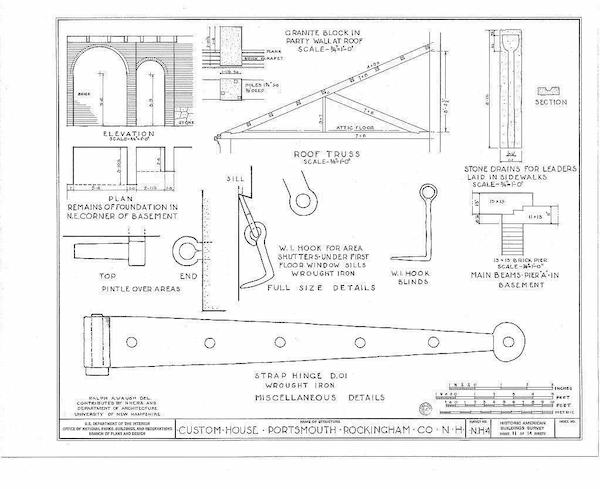
Understanding local building codes is crucial when building a custom home. These codes are regulations set by the local government to ensure that construction meets safety and quality standards. They cover various aspects of the building process, including structural integrity, electrical systems, plumbing, and more. Compliance with building codes is essential to avoid penalties and ensure the safety of the occupants. It is important to work with a knowledgeable architect or contractor who is familiar with the local codes and can guide you through the process.
When navigating local building codes, it is important to consider the following:
- Familiarize yourself with the specific codes and regulations in your area.
- Understand the requirements for permits and inspections.
- Ensure that your design and construction plans align with the codes.
Tip: It is recommended to consult with local building officials or professionals to ensure compliance with all applicable codes and regulations.
Submitting Permit Applications
Once you have completed the necessary paperwork and gathered all the required documents, it is time to submit your permit applications. This step is crucial as it ensures that your custom home construction project complies with local building codes and regulations. Carefully review the application forms and double-check that all the information is accurate and complete. It is also important to follow any specific instructions provided by the local building department regarding the submission process. Submitting your permit applications in a timely manner will help avoid delays in the construction process.
Coordinating with Inspectors
Coordinating with inspectors is a crucial step in the home building process. Inspectors play a vital role in ensuring that the construction meets all the necessary codes and regulations. They conduct inspections at various stages of the construction to check for compliance and quality. It is important to establish clear communication with the inspectors and schedule inspections in advance to avoid delays. Attention to detail is key when coordinating with inspectors to address any deficiencies or issues that may arise.
Managing the Construction Process
Creating a Construction Schedule
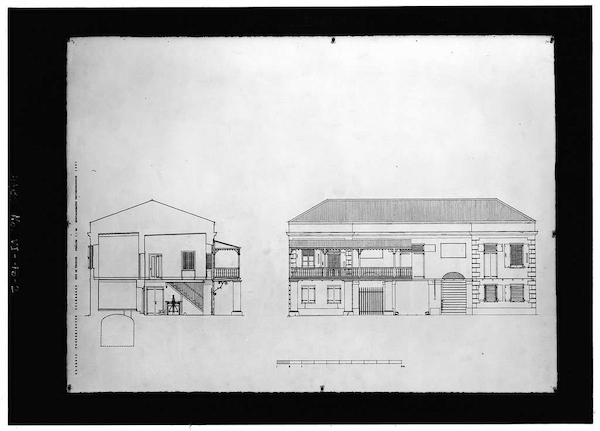
Once the design phase is complete, the next step in building a custom home is creating a construction schedule. This schedule outlines the timeline for each phase of the construction process, from site preparation to final inspections. It is important to carefully plan and coordinate the various tasks and activities to ensure the project stays on track and is completed in a timely manner. A well-organized construction schedule helps to minimize delays and allows for efficient use of resources.
Monitoring Progress and Quality
During the construction process, it is crucial to closely monitor the progress and quality of the work being done. This ensures that the project stays on track and meets the desired standards. Regular site visits and inspections should be conducted to assess the construction progress and identify any potential issues. Attention to detail is key in ensuring that every aspect of the construction meets the required specifications. Additionally, clear communication between the general contractor, subcontractors, and project stakeholders is essential for addressing any concerns or making necessary adjustments.
Dealing with Unexpected Issues
During the construction process, it is not uncommon for unexpected issues or changes to arise. These situations can cause delays and additional costs if not properly managed. The general contractor plays a crucial role in handling and resolving these issues. They have the experience and expertise to assess the situation, come up with solutions, and coordinate with subcontractors and suppliers to implement the necessary changes. Effective communication and problem-solving skills are essential for a general contractor to successfully navigate through unexpected issues.
Selecting Materials and Finishes
Researching and Comparing Options
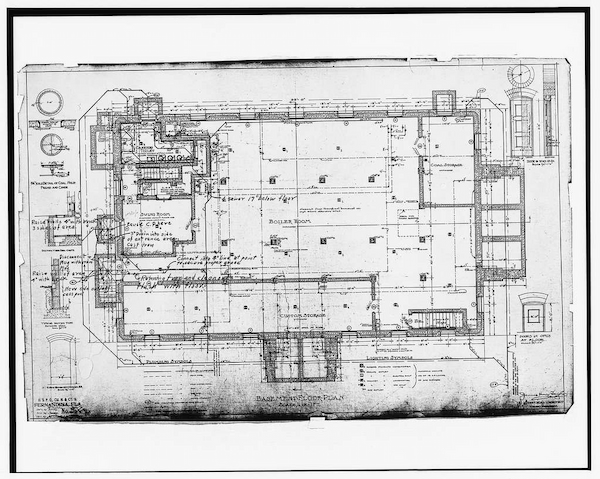
When researching and comparing options for materials and finishes for your custom home, it’s important to consider both the aesthetic appeal and the practicality of each choice. Durability is a key factor to keep in mind, as you want materials that will stand the test of time and require minimal maintenance. Additionally, sustainability should be a priority, as using eco-friendly materials can reduce your home’s environmental impact.
To help you make informed decisions, here are some factors to consider:
- Cost: Compare the prices of different materials and finishes to ensure they fit within your budget.
- Quality: Look for materials that are known for their durability and long lifespan.
- Appearance: Consider the style and design of the materials to ensure they align with your vision for your custom home.
- Energy Efficiency: Choose materials that are energy-efficient to help reduce your home’s energy consumption.
Remember, it’s important to strike a balance between aesthetics, functionality, and sustainability when selecting materials and finishes for your custom home.
Choosing Sustainable and Energy-Efficient Materials
When building a custom home, it is important to consider the environmental impact of the materials used. Sustainable and energy-efficient materials not only help reduce the carbon footprint of the home but also contribute to long-term cost savings. Here are some key factors to consider when selecting materials:
- Durability: Choose materials that are durable and require minimal maintenance. This will ensure that the home remains in good condition for years to come.
- Insulation: Opt for materials that provide good insulation, such as double-glazed windows and insulated walls. This will help regulate the temperature inside the home and reduce energy consumption.
- Renewable Resources: Look for materials that are made from renewable resources, such as bamboo flooring or reclaimed wood. These materials are more sustainable and have a lower impact on the environment.
Tip: Consider consulting with a sustainable design expert or architect to help you make informed decisions about materials and their environmental impact.
Working with Suppliers and Contractors
When it comes to selecting materials and finishes for your custom home, working with suppliers and contractors is crucial. These professionals have the expertise and knowledge to help you choose the right materials that align with your design vision and budget. They can provide valuable insights and recommendations based on their experience in the industry. Additionally, suppliers and contractors can assist with sourcing high-quality materials and ensuring timely delivery. By collaborating with them, you can ensure that your custom home is built with the best materials and finishes.
Installing Utilities and Systems
Connecting to Water and Sewer Lines
When connecting your custom home to water and sewer lines, there are a few important considerations to keep in mind.
Firstly, it is crucial to ensure that the connection is done properly to avoid any leaks or plumbing issues in the future. Hiring a professional plumber who is experienced in connecting homes to water and sewer lines is highly recommended.
Secondly, you will need to coordinate with the local utility company to determine the location of the water and sewer lines on your property. This will help you plan the connection process and avoid any potential conflicts.
Lastly, it is important to obtain any necessary permits or approvals from the local authorities before starting the connection process. This ensures that the work is done in compliance with local regulations and codes.
Remember, proper connection to water and sewer lines is essential for the functionality and convenience of your custom home.
Installing Electrical and Plumbing Systems
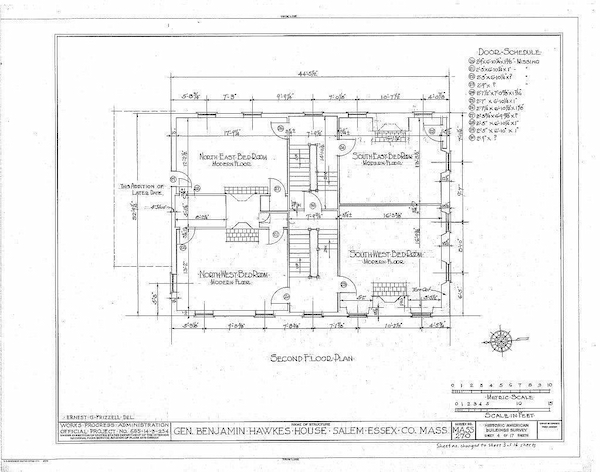
Once the design and layout of your custom home are finalized, it’s time to focus on installing the electrical and plumbing systems. These systems are essential for the functionality and comfort of your home. Here are some key considerations:
Setting up Heating and Cooling Systems
Setting up the heating and cooling systems is a crucial step in building a custom home. It is important to ensure that the home is comfortable and energy-efficient. One important aspect is selecting the right HVAC system that meets the needs of the home. This includes considering the size of the home, the climate, and the desired level of energy efficiency. Additionally, proper installation and regular maintenance are essential for optimal performance and longevity of the system.
Completing Interior and Exterior Finishes

Painting and Wallpapering
After the construction of the custom home is complete, the next step is to focus on the interior and exterior finishes. This includes painting and wallpapering, installing flooring and cabinetry, and landscaping and outdoor features. The finishing touches are what bring the home to life and make it feel personalized and complete.
Installing Flooring and Cabinetry
Once the construction of the house is nearing completion, it’s time to focus on installing the flooring and cabinetry. These finishing touches play a crucial role in enhancing the overall aesthetic appeal and functionality of the home. When it comes to flooring, there are various options to choose from, including hardwood, laminate, tile, and carpet. Consider the style, durability, and maintenance requirements of each type before making a decision. Similarly, selecting the right cabinetry is essential for both storage and design purposes. Custom-built cabinets can provide a personalized touch and maximize the use of space. It’s important to work with experienced professionals to ensure proper installation and achieve the desired outcome.
Landscaping and Outdoor Features
Once the construction of your custom home is nearing completion, it’s time to focus on the landscaping and outdoor features. The exterior of your home plays a crucial role in creating a welcoming and visually appealing space. Here are some key considerations for landscaping and outdoor features:
Final Inspections and Walkthroughs
Scheduling Inspections
Once the construction of your custom home is nearing completion, it is important to schedule inspections to ensure that everything is up to code and meets the necessary standards. Inspections are a crucial part of the building process as they help identify any potential issues or deficiencies that need to be addressed before the final walkthrough. Timing is key when it comes to scheduling inspections. You don’t want to schedule an inspection too early, as there may still be ongoing work that needs to be completed. On the other hand, you also don’t want to schedule an inspection too late, as any necessary corrections or changes may delay the closing of your home. It is recommended to work closely with your general contractor and the local building department to determine the appropriate timing for inspections.
Addressing any Deficiencies
When conducting the final walkthrough of your custom home, it is important to address any deficiencies that may be identified. These deficiencies could include issues with the construction, finishes, or functionality of certain elements in the home. Addressing these deficiencies promptly is crucial to ensure that your home is completed to your satisfaction.
To effectively address any deficiencies, follow these steps:
- Document the deficiencies: Make a list of all the deficiencies that are identified during the walkthrough. This will help you keep track of what needs to be addressed.
- Prioritize the deficiencies: Determine which deficiencies are the most critical and need immediate attention. This will help you allocate resources and address the most important issues first.
- Communicate with your contractor: Share the list of deficiencies with your general contractor and discuss a plan to address them. It is important to have open and clear communication to ensure that the deficiencies are resolved.
Tip: It is recommended to address any deficiencies as soon as possible to avoid any further complications or delays in the completion of your custom home.
By following these steps and promptly addressing any deficiencies, you can ensure that your custom home is built to the highest standards and meets your expectations.
Conducting a Final Walkthrough
After completing all the necessary construction work and finishing touches, it is time to conduct a final walkthrough of your custom home. This is an important step to ensure that everything is in order and meets your expectations before officially taking possession of the property. During the walkthrough, you should carefully inspect each room and area of the house, checking for any defects, damages, or unfinished work. It is recommended to bring a checklist to ensure that you cover all the necessary items. Pay close attention to the quality of the finishes, functionality of the systems, and overall craftsmanship. If you notice any issues or concerns, make sure to document them and discuss them with your general contractor or builder. Once any necessary repairs or adjustments are made, you can proceed with the final steps of the home building process.
Conclusion
Building a custom home is a complex process that requires careful planning and execution. By following the essential steps outlined in this article, you can ensure that your dream home becomes a reality. From finding the right location and hiring a reputable builder to making design choices and overseeing construction, each step plays a crucial role in creating a home that reflects your unique style and meets your needs. Remember to prioritize communication and collaboration throughout the process, as it is key to a successful outcome. With patience, attention to detail, and a clear vision, you can embark on this exciting journey of building a custom home and enjoy the satisfaction of living in a space that is truly yours.
Frequently Asked Questions
How long does it take to build a custom home?
The timeline for building a custom home can vary depending on several factors, including the size and complexity of the project, the availability of labor and materials, and any unexpected delays. On average, it can take anywhere from 6 to 12 months to complete the construction of a custom home.
How much does it cost to build a custom home?
The cost of building a custom home can vary widely depending on factors such as the size and complexity of the project, the location, the quality of materials and finishes, and the level of customization. On average, the cost per square foot for a custom home can range from $200 to $500 or more.
Do I need to hire an architect to design my custom home?
While it is not always necessary to hire an architect, working with a professional architect can greatly benefit the design process of a custom home. An architect can help translate your vision into a functional and aesthetically pleasing design, ensure compliance with building codes and regulations, and provide valuable expertise throughout the construction process.
What permits and approvals do I need to build a custom home?
The specific permits and approvals required to build a custom home can vary depending on the location and local building codes. Common permits include building permits, electrical permits, plumbing permits, and mechanical permits. It is important to consult with local authorities and obtain all necessary permits before starting construction.
How do I find a reliable general contractor?
Finding a reliable general contractor is crucial for the success of your custom home project. Start by asking for recommendations from friends, family, and neighbors who have recently built custom homes. Research potential contractors online, check their references and past projects, and interview multiple candidates to ensure they have the necessary experience, qualifications, and communication skills.
Can I make changes to the design during the construction process?
While it is possible to make changes to the design during the construction process, it is generally more cost-effective and efficient to finalize the design before construction begins. Changes made during construction can lead to delays, additional expenses, and potential compromises in the overall quality of the home. It is important to carefully consider and communicate your design preferences with the architect and contractor before construction starts.
What should I consider when selecting materials and finishes for my custom home?
When selecting materials and finishes for your custom home, consider factors such as durability, maintenance requirements, aesthetics, sustainability, and energy efficiency. Research different options, visit showrooms, and consult with professionals to ensure you choose materials and finishes that align with your vision, budget, and long-term goals.
How do I ensure the quality of construction during the building process?
To ensure the quality of construction during the building process, it is important to regularly monitor the progress and workmanship, communicate any concerns or issues with the contractor, and conduct inspections at key milestones. Hiring a reputable contractor, using high-quality materials, and following proper construction techniques are also essential for achieving a well-built custom home.