Have you ever passed by an empty lot one day, and then a few months later, seeing a brand new building standing there? Magic? Not quite. It’s the work of property development. But, you might ask, “What is property development?”
Simply put, it’s the process of creating or improving buildings or land to increase their value. But there’s much more to it than that. From purchasing land to planning and building, property development is like a giant jigsaw puzzle, where all pieces must fit perfectly. Let’s dive in to unravel the exciting process of transforming spaces!
Property development refers to the process of transforming land or buildings into new structures or improving existing ones for various purposes. It involves identifying suitable properties, obtaining necessary approvals, constructing or renovating the structures, and eventually selling or leasing them.
Property development encompasses residential, commercial, industrial, and mixed-use projects, and involves various players such as developers, investors, architects, contractors, and real estate agents.
Table of Contents
Stages Of Property Development

Think of property development as a journey. It begins with an idea, a vision for a piece of land, and ends with a building ready for use. Let’s explore the main stages of this journey in 6 steps:
Land Acquisition And Feasibility Study
Every great building starts with a plot of land. Property developers search for the perfect site, considering factors like location and cost. But, buying land isn’t a simple decision. They must study if the project is feasible – can they build what they want, and will it be profitable?
Planning And Design
After acquiring land, it’s time for some creativity. Architects and designers come together to plan and design the project. They think about how to make the best use of the space, create designs that are attractive, functional, and meet the needs of potential users.
Financing And Securing Permits
Now, it’s time for some paperwork. Developers arrange the funds needed for the project and obtain all necessary permits from local authorities. This step is crucial, as without proper financing and permissions, the project cannot move forward.
Construction And Development
With the plans ready and permits in place, the real action begins – the construction. Here, buildings start to rise from the ground. Brick by brick, the vision turns into reality. This stage requires a lot of coordination among various teams to ensure the project stays on schedule and budget.
Marketing And Sales
While the construction team is busy building, another team starts working on spreading the word about the project. They create marketing strategies to attract buyers or tenants. Open houses, advertisements, and promotions come into play to make sure the property doesn’t just exist but shines.
Post-Development Management
The journey doesn’t end when the building is complete. There’s still work to do! Post-development management might include selling or renting out the property, and dealing with property maintenance. After all, a property developer’s job is to make sure the building continues to be a great place to live or work.
Key Players In Property Development
Understanding what is property development is not complete without recognizing the key players. This process is like a symphony, with different musicians playing their parts perfectly to create a harmonious result.
Developers
Developers are the visionaries of property development. They see the potential in a piece of land and have the drive to turn their vision into reality. They coordinate the entire process, right from land acquisition to post-development management.
Architects And Designers
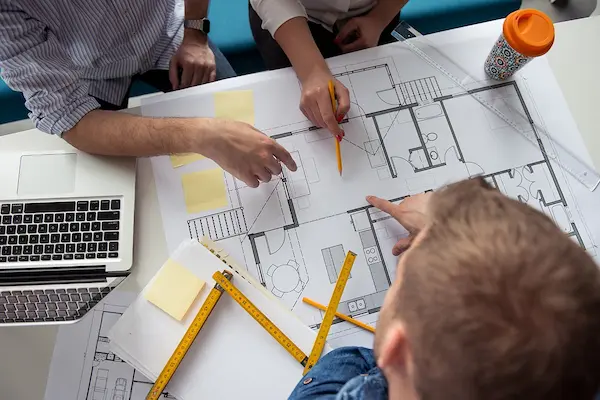
Architects and designers are the artists in this process. They design the building and plan the layout, ensuring that it’s not just functional, but also aesthetically pleasing. They breathe life into the developer’s vision.
Contractors And Construction Teams
The builders of our story, contractors and their teams, make the plans come to life. They lay the foundation, build the walls, install the wiring and plumbing – they physically construct the vision.
Sales And Marketing Professionals
Once the building is ready, the sales and marketing team steps in. They are the storytellers, creating a compelling narrative about the property to attract buyers or tenants. They make sure that the world knows about the wonderful new development.
Types Of Property Development
Property development can take many shapes and forms, much like a painter who creates different types of artwork. Each type serves different needs and has its unique characteristics.
Residential Development: Single-Family Homes, Multi-Unit Buildings, Condominiums
This involves creating spaces for people to live in. It could be single-family homes, where each house is on its own lot, or multi-unit buildings like apartments. Condominiums, where individuals own their apartments but share common areas, also fall under this category.
Commercial Development: Office Spaces, Retail Centers, Industrial Properties
This type is all about work and commerce. Developers build properties like office spaces for businesses, retail centers for shoppers, or industrial properties for manufacturing and storage. These places buzz with activity and drive the economy.
Mixed-Use Development: Combination Of Residential, Commercial, And Recreational Spaces
Imagine living in a building where you can also work, shop, and play. That’s what mixed-use development is all about. It combines residential, commercial, and recreational spaces, creating vibrant, self-contained communities.
Land Subdivision: Dividing Large Parcels Into Smaller Lots For Sale Or Development
Sometimes, a developer’s canvas is a large piece of land. They might divide this land into smaller lots, like cutting a cake into slices. These smaller lots can then be sold or further developed, opening up many possibilities.
Factors Influencing Property Development
Diving into property development is like putting together a puzzle; many pieces need to fit together to create a successful picture. Several elements influence the course and outcome of a project.
Let’s delve into 5 key factors, including market demand, location, and zoning regulations, that play significant roles in the property development process.
Market Demand And Trends

Just like fashion, property development is heavily influenced by trends and demand. What are people looking for in homes or commercial spaces?
What’s the current real estate market like? Is it a buyers’ market or a sellers’ market? These questions need to be considered as they can greatly impact the success of your project.
Location And Accessibility
Location, location, location – you’ve probably heard this mantra before, and that’s because it’s incredibly important. The value of a property can skyrocket or plummet based solely on its location.
Easy access to public transport, proximity to amenities like schools and hospitals, and neighborhood safety are all factors that potential buyers or tenants consider.
Zoning And Land Use Regulations
Ever wondered why there aren’t any skyscrapers in your suburban neighborhood? That’s all thanks to zoning laws. These rules dictate what kind of buildings – residential, commercial, industrial, etc., can be built in certain areas.
Before jumping into a project, it’s crucial to understand the land use regulations that apply to your property.
Environmental Considerations
Going green isn’t just a trend; it’s a necessity. Environmental considerations are becoming increasingly significant in property development.
From energy-efficient design and construction practices to the potential environmental impact of the development, these aspects must be taken into account. The success of a project may heavily depend on its eco-friendliness and sustainability.
Financial Feasibility And Investment Potential
Let’s talk about money matters. Financial feasibility is a critical factor in property development. Can the project deliver a decent return on investment? Are the costs of construction and development justifiable?
These are crucial questions that need answers. After all, property development is not just about building structures; it’s also about building a strong financial future.
Challenges And Risks In Property Development
Embarking on a property development journey can be an exciting venture, but it’s not without its fair share of challenges and risks. From market uncertainties to construction woes and regulatory complexities, let’s unravel the potential obstacles one might encounter in this field.
Market Fluctuations And Economic Conditions
The real estate market can be a roller coaster ride. Market conditions can shift rapidly due to economic factors, affecting property values and demand. A keen understanding of these dynamics is necessary to navigate potential risks and make informed decisions.
Construction Delays And Cost Overruns
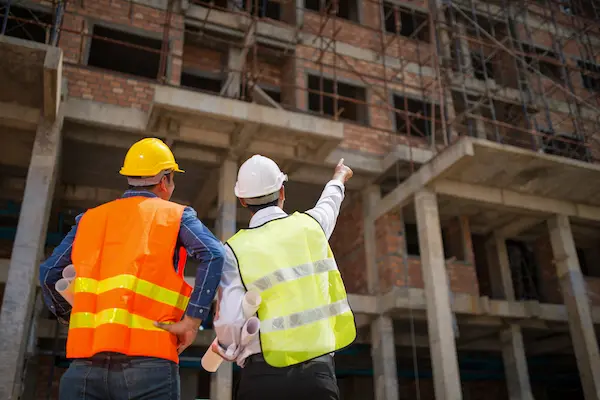
Unforeseen circumstances, such as supply chain disruptions or labor shortages, can lead to construction delays. Additionally, unexpected expenses may arise, causing budgets to balloon. These are common challenges in property development that require careful planning and management.
Regulatory Hurdles And Legal Complexities
Navigating the maze of building codes, zoning laws, and permit requirements can be a daunting task. Legal complexities could lead to delays and increased costs. It’s crucial to have a thorough understanding of the regulations that apply to your project to mitigate these risks.
Environmental And Sustainability Issues
In our environmentally-conscious era, developers can face challenges related to sustainability. Mitigating environmental impact, ensuring energy efficiency, and meeting green building standards can be daunting but necessary tasks.
Navigating the property development landscape is a multifaceted journey, with its fair share of challenges and risks. However, with a deep understanding of these potential hurdles and a robust strategy, you can turn these challenges into opportunities. It’s about constructing not just buildings, but a solid pathway to success.
FAQs
1. What are the key stages in property development?
Property development generally unfolds in 4 key stages:
- Identification and Acquisition: Spotting a suitable property and purchasing it, after assessing its development potential.
- Planning and Approval: Drafting development plans and obtaining required permissions from authorities.
- Construction: Turning blueprints into reality, building the planned structure.
- Sales and Marketing: Selling or renting out the finished property to potential buyers or tenants.
Each phase plays a crucial role in ensuring the overall success of a property development project.
2. Who are the main players in property development?

Property development involves 5 main players, including:
- Developers: They oversee the entire project, coordinating between various parties and making key decisions.
- Investors: They provide the necessary capital for the project. Investors can be individuals, banks, or other financial institutions.
- Architects and Engineers: They design the project and ensure it’s structurally sound and complies with regulations.
- Contractors and Subcontractors: They are responsible for the actual construction work, from groundwork to finishing touches.
- Real Estate Agents: They help market and sell or lease the property once it’s developed.
3. What are the different types of property development?
Property development can be categorized into 4 types:
- Residential Development: This involves creating residences, including houses, apartments, or condominiums.
- Commercial Development: This includes developing properties for business purposes, like office buildings, shopping centers, or hotels.
- Industrial Development: This involves creating properties for industrial use, such as factories or warehouses.
- Mixed-Use Development: These are developments that combine residential, commercial, and sometimes industrial spaces in one project.
What Is Property Development: Conclusion
With many factors at play, from market trends to environmental considerations, property development journey can seem a bit daunting. Add in the challenges of construction delays, regulatory hurdles, and financial feasibility, and the picture gets even more complex.
But remember, every challenge brings an opportunity to learn and grow. So whether you’re a seasoned developer or a newbie in the field, understanding these dynamics can navigate you toward success.
As we wrap up this exploration, we hope you’re armed with the insights to confidently chart your property development course. Ready to build your dreams? Full steam ahead, captain! Here’s to creating spaces that people love and investments that reward you handsomely.