
Renting a house or apartment often comes with certain limitations when it comes to personalizing your living space. When it comes to personalizing a rented house, one may ask, “Can you paint a rented house?” They question whether they have the freedom to paint the walls and add their personal touch to the property.
In this article, we will explore the possibility of painting a rented house, taking into consideration lease agreements, negotiating with the landlord, and the importance of proper preparation and restoration.
Table of Contents
Understanding the Lease Agreement
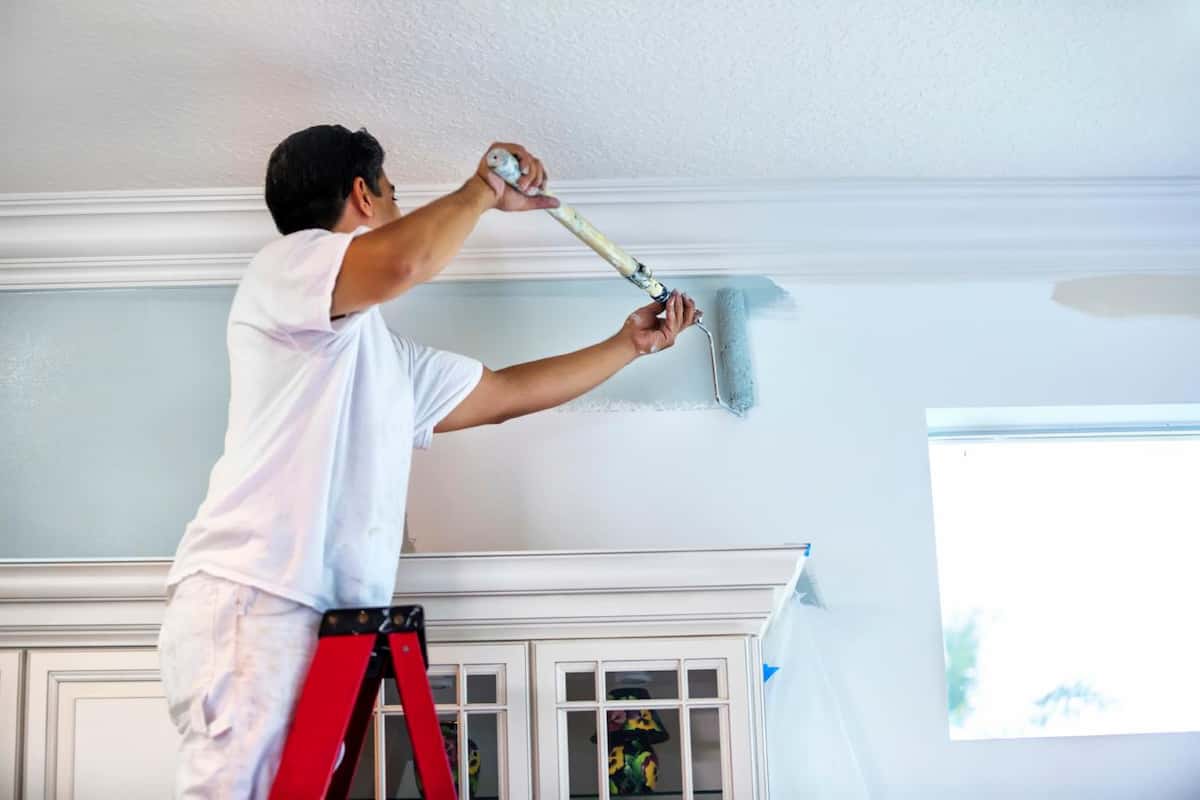
Reviewing Lease for Painting Restrictions
Before embarking on any painting project, especially if you’re wondering, “Can you paint a rented house”, it is crucial to carefully review your lease agreement. Some landlords may have specific restrictions regarding painting, while others may be more lenient. Look for clauses that mention alterations, modifications, or changes to the property, as they may provide guidance on painting restrictions.
Seeking Landlord’s Permission and Discussing Expectations
If the lease agreement does not explicitly address painting, it is best to seek your landlord’s permission. Schedule a meeting to discuss your intentions and expectations. This proactive approach will demonstrate your responsibility as a tenant and allow you to understand any concerns or limitations your landlord may have. By addressing the topic directly, you can open up a dialogue and potentially come to an agreement that suits both parties involved.
Temporary Solutions for Personalization
If your landlord does not permit permanent paint changes, there are alternative ways to personalize your space temporarily.
Consider using removable wallpaper or wall decals that can be easily applied and removed without damaging the walls. Fabric panels and hanging tapestries can also add a touch of color and personality to your rented house.
Additionally, the creative use of curtains, drapes, and blinds can transform the atmosphere of a room without requiring any painting.
You can also check out a related blog on Who Is Responsible For Replacing Smoke Alarms In Rented Properties?
Negotiating with the Landlord

Presenting Benefits of Painting
When seeking permission to paint, it is important to present the benefits of painting to your landlord. Explain how a fresh coat of paint can enhance the aesthetics of the property, potentially attract more desirable tenants in the future, and improve the overall value of the rental. Offer to take on the responsibility of hiring professionals or demonstrate your willingness to complete the painting yourself.
Offering Alternatives to Ease Concerns
If your landlord still has concerns, propose alternative solutions such as agreeing on neutral colors or offering to pay for any additional costs associated with the painting process. Assure your landlord that you will follow their guidelines and restore the property to its original condition before moving out.
Obtaining Permission and Guidelines
Once you have successfully negotiated with your landlord, it is essential to document the agreement in writing. This will help avoid any misunderstandings or disputes in the future. Clearly outline the approved colors, the specific areas where painting is allowed, and any other guidelines provided by your landlord.
Proper Preparation for Painting

Gathering Necessary Supplies and Tools
Before starting your painting project, gather all the necessary supplies and tools. This includes paintbrushes, rollers, drop cloths, painter’s tape, and primer.
Protecting Floors, Furniture, and Fixtures
Take the time to protect the floors, furniture, and fixtures by covering them with plastic sheets or drop cloths.
Preparing Walls by Cleaning and Priming
To ensure a smooth and long-lasting finish, prepare the walls properly. Clean them thoroughly to remove any dirt or grease, and consider applying a coat of primer before painting to achieve better adhesion and coverage.
Maintaining Good Communication with the Landlord
Throughout the painting process, it is important to maintain open and transparent communication with your landlord.
Provide progress updates and timelines, and address any concerns they may have promptly and professionally. By keeping them informed, you can build trust and demonstrate your commitment to taking care of the property.
Restoring the Property Before Moving Out
When the time comes to move out, it is your responsibility to restore the property to its original condition.
Remove the paint you applied and return the walls to their original state. Repair any damages that occurred during the painting process, such as nail holes or scratches.
Document the restoration process with photographs or videos to provide evidence of your efforts in case any disputes arise.
FAQs

1. Is it Ok to Paint Walls in a Rental?
The permissibility of painting walls in a rental property depends on the landlord’s policies. It is essential to review the lease agreement and seek permission from your landlord before proceeding.
2. Can I Paint a Rented House in the UK?
The rules regarding painting a rented house in the UK may vary. It is advisable to consult your lease agreement and discuss your intentions with your landlord to determine the feasibility.
3. Am I Allowed to Paint My Flat?
The permission to paint a rented flat is subject to the terms and conditions outlined in your lease agreement. Contact your landlord and obtain their approval before proceeding.
4. How do I Ask my Landlord to Paint?
To request permission to paint, schedule a meeting with your landlord to discuss your intentions. Present the benefits of painting and offer compromises or alternatives to address any concerns they may have.
Conclusion
If you have ever wondered, “Can you paint a rented house”, the answer is that it can be a possibility if approached with proper understanding and communication. By reviewing the lease agreement, negotiating with the landlord, obtaining permission, and following guidelines, you can personalize your living space and create a comfortable environment that reflects your style.
Remember to maintain good communication throughout the process, address any concerns promptly and professionally, and make sure to restore the property to its original condition before moving out. By doing so, you can ensure a positive tenant-landlord relationship and leave the rented house with a sense of fulfillment and satisfaction.