Apartment management can be a challenging task that requires effective strategies and skills. From building strong relationships with tenants to maintaining the property and facilities, apartment managers play a crucial role in ensuring a positive living experience for residents. In this article, we will explore key aspects of apartment management and provide valuable insights on how to effectively deal with various responsibilities and challenges. Here are the key takeaways:
Table of Contents
Key Takeaways
- Understanding the responsibilities of apartment managers is essential for effective management.
- Effective communication strategies with tenants can help build strong relationships.
- Resolving tenant issues and complaints promptly can contribute to a positive tenant experience.
- Regular maintenance and repairs are vital for maintaining the property and facilities.
- Creating and managing a budget is crucial for financial management.
Understanding the Role of Apartment Management

The Responsibilities of Apartment Managers
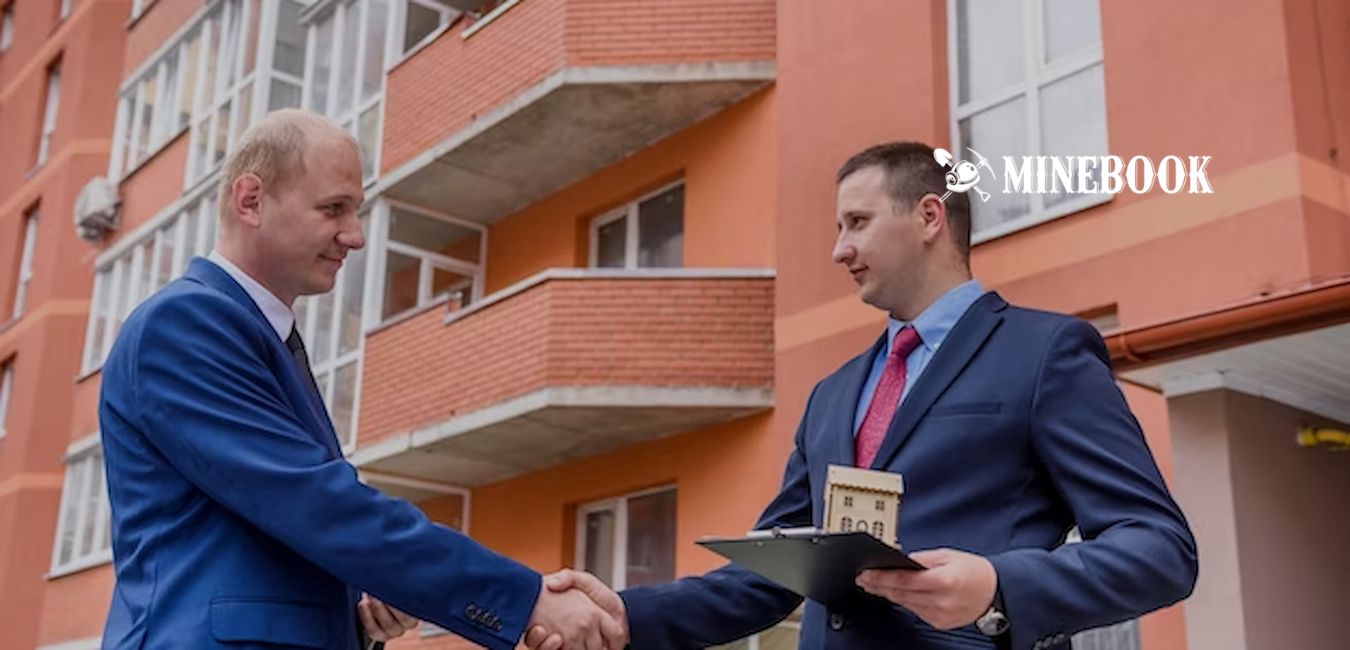
Apartment managers have a wide range of responsibilities that contribute to the smooth operation of the property. They are responsible for overseeing the day-to-day management of the apartments, ensuring that tenants’ needs are met, and maintaining a safe and comfortable living environment. One important aspect of their role is negotiation. Apartment managers often negotiate lease agreements with prospective tenants, ensuring that both parties are satisfied with the terms and conditions. They also negotiate contracts with vendors and service providers to ensure the best possible services at reasonable prices.
The Importance of Effective Apartment Management
Effective apartment management is crucial for ensuring the smooth operation and success of a rental property. It involves various responsibilities and tasks that contribute to the overall satisfaction of tenants and the profitability of the property. By implementing efficient management strategies, property owners can reap numerous benefits and create a positive living environment for tenants.
Common Challenges Faced by Apartment Managers
Apartment managers face a variety of challenges in their day-to-day operations. One common challenge is balancing tenant needs with the financial constraints of the property. It can be difficult to meet the demands of tenants while also staying within budget. Another challenge is maintaining tenant satisfaction. Keeping tenants happy and addressing their concerns is crucial for tenant retention and positive word-of-mouth. Additionally, apartment managers often have to deal with maintenance issues. From plumbing problems to electrical repairs, ensuring that the property is well-maintained can be a constant challenge. Lastly, managing tenant conflicts can be a source of stress for apartment managers. Resolving disputes between tenants and handling difficult situations requires strong communication and conflict resolution skills.
Building Strong Relationships with Tenants

Effective Communication Strategies with Tenants
Effective communication with tenants is crucial for maintaining a positive relationship and ensuring their satisfaction. It is important to address their concerns promptly and provide clear and timely information regarding any changes or updates. Regularly seek feedback from tenants to understand their needs and expectations. Additionally, establishing open lines of communication can help prevent misunderstandings and conflicts. By maintaining transparency and being responsive to tenant inquiries, you can foster a sense of trust and cooperation.
Resolving Tenant Issues and Complaints
Resolving tenant issues and complaints is a crucial aspect of effective apartment management. It is important for apartment managers to address these concerns promptly and efficiently to ensure tenant satisfaction and maintain a positive tenant experience. By actively listening to tenants and taking their concerns seriously, apartment managers can build trust and foster strong relationships with their tenants.
Creating a Positive Tenant Experience
Creating a positive tenant experience is crucial for apartment managers. It involves providing excellent customer service, addressing tenant needs and concerns promptly, and fostering a sense of community within the building. By prioritizing tenant satisfaction, apartment managers can build strong relationships with tenants and increase tenant retention rates. This is especially important in a competitive rental market.
Maintaining the Property and Facilities
Regular Maintenance and Repairs
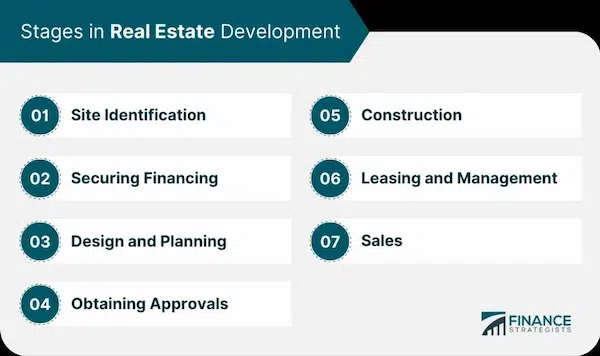
Regular maintenance and repairs are essential for ensuring the longevity and functionality of an apartment building. By addressing issues promptly, apartment managers can prevent further damage and minimize costly repairs. One area that requires attention is packaging waste. Proper disposal and recycling of packaging materials can help reduce environmental impact and promote sustainability. Apartment managers should consider implementing a recycling program and providing residents with guidelines on how to properly dispose of packaging waste. By taking these steps, apartment managers can contribute to a greener and more eco-friendly community.
Ensuring Safety and Security
Ensuring the safety and security of tenants is a top priority for apartment managers. It is important to implement effective security measures to protect the property and its residents. This includes installing surveillance cameras in common areas, ensuring proper lighting in parking lots and hallways, and implementing access control systems such as key cards or security codes for entry into the building.
In addition to physical security measures, apartment managers should also have emergency response plans in place. This includes having clear evacuation procedures and emergency contact information readily available for tenants. Regular fire drills should be conducted to ensure everyone knows what to do in case of an emergency.
To further enhance safety and security, apartment managers can also partner with local law enforcement. This can involve establishing a good relationship with the local police department and participating in community crime prevention programs. By working together, apartment managers and law enforcement can create a safer living environment for tenants.
Managing Common Areas and Amenities
Managing common areas and amenities is an essential aspect of effective apartment management. It involves ensuring that these shared spaces are well-maintained, clean, and accessible to all residents. Additionally, it is important to create a sense of community and encourage residents to take pride in these areas. By doing so, apartment managers can enhance the overall living experience for tenants.
Financial Management and Budgeting
Rent Collection and Lease Management
Rent collection and lease management are crucial aspects of apartment management. It is important for apartment managers to have effective systems in place to ensure timely rent collection and proper lease management. Property management tips can help apartment managers streamline these processes and avoid potential issues.
Creating and Managing a Budget
Creating and managing a budget is a crucial aspect of effective apartment management. It allows apartment managers to allocate resources efficiently and make informed financial decisions. A well-planned budget helps ensure that income and expenses are balanced, and financial goals are met. One important consideration when creating a budget is to provide tenants with a convenient payment method. By offering multiple payment options, such as online payments or automatic deductions, tenants can easily pay their rent on time. This not only improves tenant satisfaction but also streamlines the rent collection process.
Dealing with Financial Challenges
Managing the financial aspects of apartment management can be a complex task. It requires careful planning, budgeting, and clear communication with tenants. One important aspect is rent collection and lease management. Ensuring that rent is collected on time and managing lease agreements effectively is crucial for maintaining a stable cash flow. Creating and managing a budget is another key component of financial management. By accurately forecasting expenses and allocating funds appropriately, apartment managers can ensure that there are sufficient resources to cover maintenance, repairs, and other financial obligations. However, financial challenges can arise, such as unexpected expenses or delinquent tenants. It is important to have strategies in place to address these challenges and minimize their impact on the overall financial health of the property.
Legal Compliance and Risk Management

Understanding Landlord-Tenant Laws
Understanding landlord-tenant laws is crucial for apartment managers to ensure compliance and avoid legal issues. These laws govern the rights and responsibilities of both landlords and tenants, and they vary from state to state. It is essential for apartment managers to stay updated on the latest laws and regulations to protect the interests of both the property owner and the tenants. Failure to comply with these laws can result in legal disputes, fines, and damage to the reputation of the property management company.
Insurance and Liability
When it comes to apartment management, understanding insurance and liability is crucial. Lease clauses play a significant role in determining the responsibilities of both the landlord and the tenant. It is important to carefully review and include specific clauses in the lease agreement to protect both parties. These clauses can address issues such as property damage, liability for accidents, and insurance requirements.
In addition to lease clauses, landlords should also consider obtaining comprehensive insurance coverage for the property. This insurance should cover potential risks such as fire, theft, and natural disasters. By having the right insurance in place, landlords can mitigate financial risks and ensure that they are adequately protected.
It is also important for landlords to communicate with tenants about their own insurance needs. While landlords may have insurance coverage for the property, tenants should be encouraged to obtain renter’s insurance to protect their personal belongings. This can help prevent disputes and ensure that tenants are aware of their own responsibilities in case of damage or loss.
Overall, insurance and liability are critical aspects of apartment management. By understanding and addressing these issues through lease clauses and insurance coverage, landlords can protect themselves and their tenants from potential risks and disputes.
Mitigating Risks and Handling Legal Issues
Mitigating risks and handling legal issues is a crucial aspect of effective apartment management. It involves understanding and complying with landlord-tenant laws, ensuring proper insurance coverage, and taking proactive measures to minimize potential risks. One key area to focus on is establishing communication with tenants to address any concerns or issues that may arise. By maintaining open lines of communication, apartment managers can quickly resolve problems and prevent them from escalating into legal disputes.
Improving Efficiency and Streamlining Processes
Utilizing Technology for Apartment Management
In today’s digital age, technology plays a crucial role in streamlining apartment management processes. From online rent collection to maintenance tracking systems, technology offers numerous benefits for both apartment managers and tenants. By automating routine tasks and centralizing information, property managers can save time and improve efficiency. Additionally, technology enables better communication with tenants, allowing for quick and effective resolution of issues and complaints. With the right software and tools, apartment managers can enhance the overall tenant experience and ensure smooth operations.
Implementing Effective Systems and Procedures
Implementing effective systems and procedures is crucial for efficient apartment management. It helps streamline processes, improve productivity, and ensure consistency in operations. By implementing standardized procedures, apartment managers can create a structured and organized environment that promotes efficiency and reduces the likelihood of errors or miscommunication. These systems can include software solutions for managing tenant information, maintenance requests, and financial records. Additionally, implementing effective systems and procedures allows apartment managers to easily track and monitor key metrics, such as occupancy rates, rent collection, and maintenance response times.
Optimizing Time and Resource Management
Optimizing time and resource management is crucial for efficient apartment management. By effectively managing time and resources, apartment managers can streamline processes, improve productivity, and ensure the smooth operation of the property.
One key aspect of optimizing time and resource management is utilizing technology. Implementing a global sales platform can help automate tasks, streamline communication, and enhance efficiency. With a centralized platform, apartment managers can easily track and manage leasing activities, monitor rent collection, and communicate with tenants.
In addition to technology, implementing effective systems and procedures is essential. By establishing clear processes for tasks such as maintenance requests, lease renewals, and tenant communication, apartment managers can save time and reduce errors. Standardizing procedures also ensures consistency and improves overall efficiency.
To further optimize time and resource management, apartment managers should prioritize tasks based on urgency and importance. By creating a prioritization system, managers can allocate resources effectively and ensure that critical tasks are addressed promptly. This helps prevent delays, minimize disruptions, and maintain tenant satisfaction.
In summary, optimizing time and resource management is vital for successful apartment management. By utilizing technology, implementing effective systems and procedures, and prioritizing tasks, apartment managers can enhance efficiency, improve productivity, and provide a positive experience for tenants.
Conclusion
In conclusion, effective apartment management is crucial for maintaining a positive tenant experience and ensuring the smooth operation of the property. By understanding the responsibilities of apartment managers and the challenges they face, building strong relationships with tenants, maintaining the property and facilities, managing finances and legal compliance, and improving efficiency through technology and streamlined processes, apartment managers can effectively deal with the various aspects of their role. By implementing these strategies, apartment managers can create a safe, secure, and enjoyable living environment for tenants, while also maximizing the financial success of the property.
Frequently Asked Questions
What are the responsibilities of apartment managers?
Apartment managers are responsible for various tasks such as tenant management, property maintenance, budgeting, and ensuring legal compliance.
How can apartment managers effectively communicate with tenants?
Apartment managers can communicate with tenants through various channels such as email, phone calls, and in-person meetings. It is important to be responsive, clear, and professional in all communications.
How should apartment managers handle tenant issues and complaints?
Apartment managers should promptly address tenant issues and complaints by listening to the concerns, investigating the matter, and taking appropriate actions to resolve the problem.
What can apartment managers do to create a positive tenant experience?
Apartment managers can create a positive tenant experience by maintaining a clean and well-maintained property, providing timely responses to tenant inquiries, and organizing community events or activities.
How often should regular maintenance and repairs be conducted?
Regular maintenance and repairs should be conducted on a scheduled basis, typically quarterly or biannually, to ensure the property is well-maintained and to address any potential issues.
What measures should apartment managers take to ensure safety and security?
Apartment managers should implement security measures such as installing surveillance cameras, proper lighting, and secure entry systems. Regular inspections and maintenance of safety equipment should also be conducted.
How should apartment managers manage common areas and amenities?
Apartment managers should ensure that common areas and amenities are well-maintained, clean, and accessible to tenants. They should also establish clear guidelines and rules for the use of these facilities.
How can apartment managers effectively collect rent and manage leases?
Apartment managers can collect rent through various methods such as online payment systems or in-person collection. They should also keep track of lease agreements, renewal dates, and enforce lease policies.