Tiny homes have become increasingly popular in recent years, offering a unique and affordable housing option for individuals seeking a minimalist lifestyle. These compact dwellings, typically ranging from 100 to 400 square feet, are designed to maximize functionality and minimize environmental impact. In this article, we will explore the rise of the tiny home movement, the design and functionality of these small spaces, the financial considerations of living in a tiny home, the environmental impact of tiny homes, and the sense of community and lifestyle that comes with embracing this alternative way of living.
Table of Contents
Key Takeaways
- Tiny homes provide an affordable and sustainable housing option.
- Living in a tiny home requires creativity and innovative space-saving solutions.
- Financial considerations include cost savings and financing options.
- Tiny homes have a smaller carbon footprint and promote energy efficiency.
- Embracing minimalism and simplifying life are key aspects of the tiny home lifestyle.
The Rise of Tiny Homes
 Understanding the Tiny Home Movement
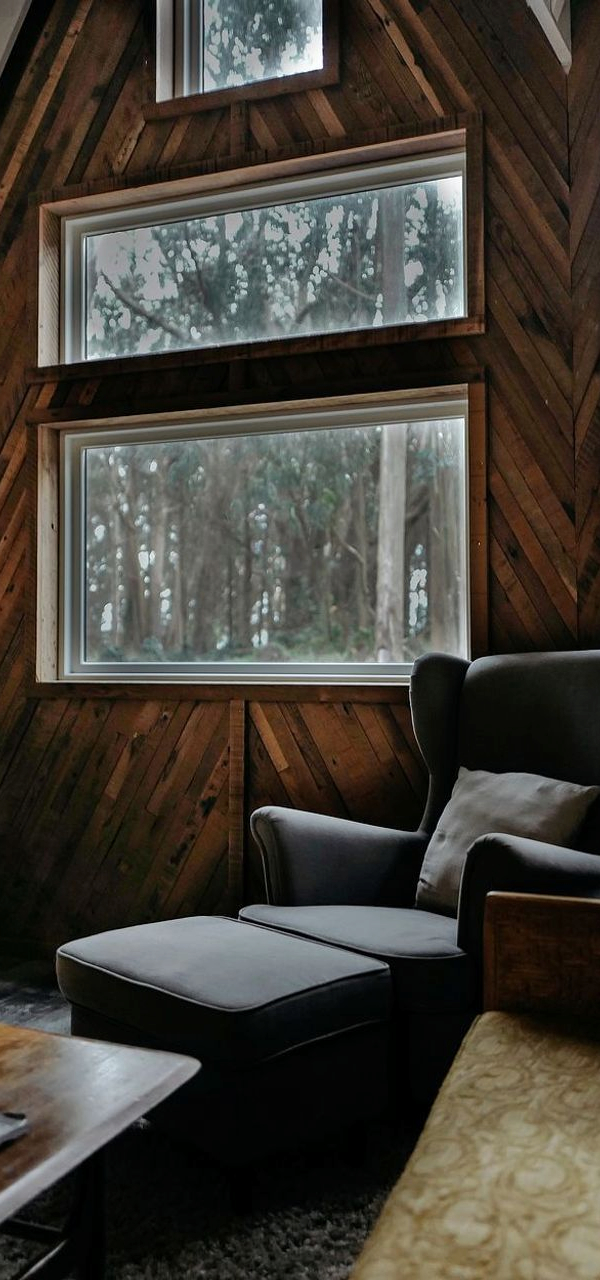
The tiny home movement has gained significant popularity in recent years. People are opting for smaller, more sustainable living spaces as a way to reduce their environmental impact and simplify their lives. Tiny homes are typically less than 500 square feet and are designed to maximize functionality and minimize waste. They offer an affordable housing option for individuals and families who want to downsize and live a more minimalist lifestyle. With the rise of tiny homes, there has been a shift in the way people view homeownership and the value of living in a smaller space.
Benefits of Living in a Tiny Home
Living in a tiny home offers numerous advantages that can greatly improve your quality of life. One of the key benefits of living in a tiny home is the significant cost savings. Smaller homes are less expensive to purchase and maintain, resulting in lower expenses for insurance, taxes, heating, cooling, electricity, and more. This financial freedom allows you to allocate your resources towards other important aspects of your life.
Additionally, living in a tiny home promotes a more sustainable and eco-friendly lifestyle. With a smaller footprint, tiny homes have a reduced impact on the environment. They require fewer resources to build and maintain, resulting in a lower carbon footprint. Furthermore, many tiny homes are designed with energy-efficient features and utilize sustainable materials, further minimizing their environmental impact.
Living in a tiny home also encourages a simpler and more minimalist lifestyle. With limited space, you are forced to declutter and prioritize your belongings. This can lead to a sense of freedom and contentment, as you focus on the things that truly matter to you. Embracing minimalism allows you to let go of material possessions and instead invest in experiences and relationships.
In summary, living in a tiny home offers cost savings, promotes sustainability, and encourages a minimalist lifestyle. It provides an opportunity to prioritize what is truly important and live a more intentional and fulfilling life.
Challenges of Tiny Home Living
Living in a tiny home comes with its fair share of challenges. One of the main challenges is the limited space available. With a smaller footprint, it can be a struggle to find enough storage for all your belongings. Organization becomes key in maximizing the available space and keeping everything tidy.
Another challenge is the lack of privacy. In a tiny home, there are no separate rooms, which means that every activity is done in the same space. This can make it difficult to have alone time or to entertain guests without feeling cramped.
Additionally, tiny homes often have limited amenities. The size constraints make it challenging to fit in all the necessary appliances and utilities. Energy efficiency becomes crucial in order to minimize the impact on the environment and to keep utility costs low.
Despite these challenges, many people find the benefits of tiny home living outweigh the drawbacks. The sense of freedom, simplicity, and minimalism that comes with living in a tiny home can be incredibly rewarding.
Design and Functionality
Innovative Space-saving Solutions
Innovative space-saving solutions are a key aspect of tiny home design. These clever solutions allow homeowners to make the most of limited square footage. One popular space-saving solution is the use of built-in furniture. By incorporating furniture into the structure of the home, such as built-in beds, tables, and seating, homeowners can maximize the functionality of each space. Another space-saving technique is the use of vertical storage. By utilizing vertical wall space with shelves, hooks, and hanging storage, homeowners can keep their belongings organized and easily accessible. Additionally, multi-purpose furniture is a great way to save space. For example, a sofa that can be transformed into a bed or a coffee table that doubles as a desk. These innovative solutions not only save space but also add a touch of creativity and uniqueness to tiny homes.
Maximizing Storage in Tiny Homes
Tiny homes have mastered the art of creative storage, with ideas that traditional homeowners can adapt as well. Begin by making furniture double as storage. Utilize vertical space by installing shelves or hooks on walls. Use under-bed storage or built-in drawers to maximize space in the bedroom. Consider using multi-functional furniture such as ottomans with hidden storage or coffee tables with built-in shelves. Another option is to use wall-mounted storage solutions like pegboards or magnetic strips to keep items organized and easily accessible. By thinking creatively and utilizing every inch of space, tiny homeowners can maximize storage in their homes.
Creating Multi-functional Spaces
When it comes to tiny homes, maximizing space is essential. One of the key strategies for achieving this is creating multi-functional spaces. By designing areas that can serve multiple purposes, homeowners can make the most of their limited square footage. Flexibility is the key to successfully creating multi-functional spaces. Don’t be afraid to experiment with different layouts and furniture arrangements to find what works best for your needs. Here are a few tips to help you create versatile spaces in your tiny home:
- Choose furniture with multiple uses: Look for pieces that can serve more than one function, such as a sofa that can also be used as a guest bed or a dining table that can double as a workspace.
- Utilize vertical space: Take advantage of vertical space by installing shelves, hooks, and storage units on walls. This will help free up valuable floor space and keep your belongings organized.
- Use curtains or dividers: If you need to separate different areas within your tiny home, consider using curtains or dividers. This can create the illusion of separate rooms and provide privacy when needed.
Remember, the key to creating multi-functional spaces is to be flexible and think outside the box. With some creativity and careful planning, you can make every inch of your tiny home count.
Financial Considerations
Cost Savings of Tiny Home Living
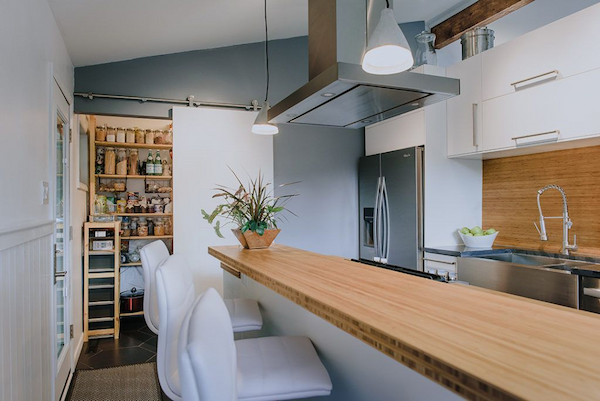
Living in a tiny home can lead to significant cost savings. With a smaller footprint and fewer materials required for construction, the initial cost of building a tiny home is often much lower than that of a traditional house. Additionally, the reduced size of a tiny home means lower utility bills, as it requires less energy to heat, cool, and power. Maintenance costs are also typically lower, as there is less square footage to maintain and fewer appliances and systems to repair or replace. Overall, the financial benefits of living in a tiny home can provide individuals with more financial freedom and flexibility.
Financing Options for Tiny Homes
When it comes to financing a tiny home, there are several options available to prospective homeowners. Affordability is a key advantage of tiny homes, and this extends to the financing aspect as well. One option is to secure a traditional mortgage, although this may require a larger down payment and stricter lending criteria. Another option is to explore specialized lenders that offer financing specifically for tiny homes. These lenders understand the unique nature of tiny homes and may be more flexible in their lending terms.
In addition to traditional mortgages and specialized lenders, there are also personal loans and RV loans that can be used to finance a tiny home. Personal loans are unsecured loans that can be used for various purposes, including home financing. RV loans, on the other hand, are specifically designed for recreational vehicles, which can include tiny homes.
It’s important for prospective homeowners to carefully consider their financing options and choose the one that best suits their needs and financial situation. Consulting with a financial advisor or mortgage broker can provide valuable guidance in navigating the various financing options available for tiny homes.
Resale Value of Tiny Homes
When it comes to the resale value of tiny homes, there are several factors to consider. Location plays a significant role in determining the value of a tiny home. Areas with high demand for affordable housing or a strong tiny home community tend to have higher resale values. Additionally, the quality of construction and materials used can impact the resale value. Tiny homes built with durable and sustainable materials are more likely to retain their value over time.
Another important factor is the size of the tiny home. While the appeal of tiny homes lies in their compact size, it’s essential to strike a balance. Homes that are too small may have limited appeal to potential buyers, while homes that are too large may not fit the definition of a tiny home. Finding the right size that appeals to a wide range of buyers is crucial for maximizing resale value.
In terms of upgrades and customization, adding unique features and personal touches can increase the resale value of a tiny home. Custom-built storage solutions, energy-efficient appliances, and innovative space-saving designs can make a tiny home more attractive to buyers.
Finally, market trends and demand play a significant role in determining the resale value of tiny homes. Keeping an eye on the market and understanding the preferences of potential buyers can help homeowners make informed decisions when it comes to selling their tiny homes.
Environmental Impact
Reducing Carbon Footprint with Tiny Homes
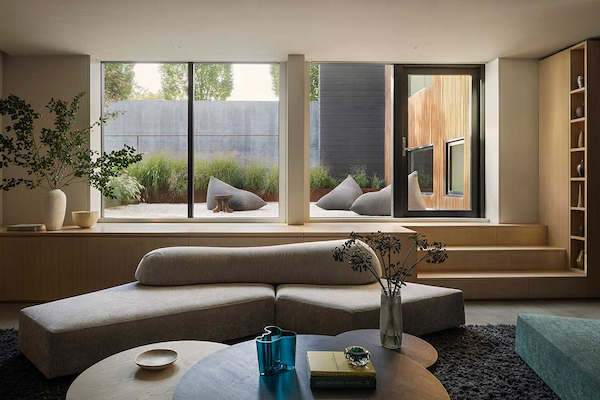
Tiny homes are not only a solution for affordable housing, but they also have a positive impact on the environment. By their very nature, tiny homes are designed to be energy-efficient and sustainable. Reducing the carbon footprint is a key focus in the design and construction of these homes.
One of the ways tiny homes achieve this is through energy-efficient appliances and systems. These homes are typically equipped with low-energy lighting, high-efficiency heating and cooling systems, and energy-saving appliances. This not only reduces the amount of energy consumed but also lowers utility bills for the homeowners.
In addition to energy efficiency, tiny homes also promote the use of sustainable materials. Builders often prioritize using recycled or reclaimed materials in the construction process. This not only reduces waste but also minimizes the extraction of new resources.
Overall, tiny homes offer an environmentally-friendly housing option that allows individuals to live a more sustainable lifestyle.
Energy Efficiency in Tiny Homes
Energy efficiency is a key consideration in the design and construction of tiny homes. With limited space and resources, it is important to maximize energy efficiency to reduce environmental impact and lower utility costs. Solar power, insulation, and energy-efficient appliances are some of the ways tiny homes can achieve high levels of energy efficiency. By harnessing the power of the sun, solar panels can provide a sustainable and renewable source of energy. Insulation plays a crucial role in maintaining a comfortable indoor temperature and reducing the need for heating or cooling. Energy-efficient appliances, such as LED lights and low-flow faucets, can significantly reduce energy consumption. Additionally, incorporating passive design strategies like natural lighting and cross ventilation can further enhance energy efficiency in tiny homes.
Sustainable Materials in Tiny Home Construction
When it comes to constructing tiny homes, using sustainable materials is not only environmentally friendly but also contributes to the overall durability and longevity of the structure. Eco-friendly materials such as reclaimed wood, recycled metal, and bamboo are popular choices in tiny home construction. These materials not only reduce the carbon footprint but also add a unique aesthetic appeal to the home.
In addition to using sustainable materials, it is important to consider the energy efficiency of a tiny home. Insulation plays a crucial role in maintaining a comfortable indoor temperature and reducing energy consumption. Proper insulation can help keep the home warm in winter and cool in summer, reducing the need for excessive heating or cooling.
To further enhance the sustainability of a tiny home, incorporating renewable energy sources is a great option. Solar panels can be installed on the roof to harness the power of the sun and generate electricity. This not only reduces reliance on traditional energy sources but also saves money in the long run.
Community and Lifestyle
Building a Tiny Home Community
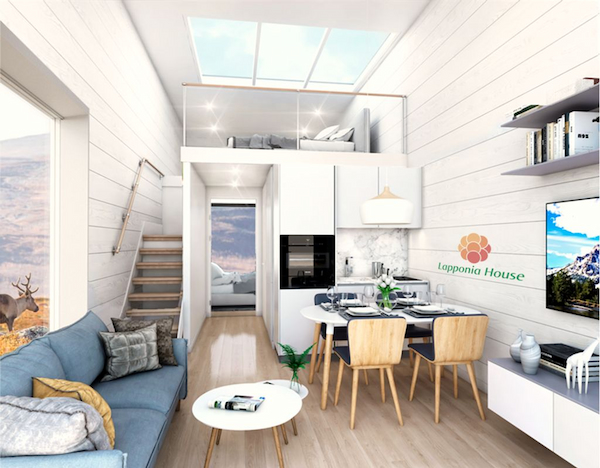
Building a strong and supportive community is an essential aspect of the tiny home lifestyle. Collaboration and shared resources are key to creating a thriving community where residents can support and learn from one another. Here are some ways to foster a sense of community in a tiny home neighborhood:
- Regular community gatherings: Organize regular gatherings such as potlucks, game nights, or movie screenings to encourage social interaction and build relationships.
- Shared spaces: Designate common areas where residents can come together, such as a community garden, a shared workshop, or a communal lounge.
- Communication channels: Establish communication channels like a community bulletin board or an online forum to facilitate information sharing and collaboration.
Tip: Building a strong community requires active participation and open communication. Be proactive in getting to know your neighbors and finding ways to contribute to the community.
Social Benefits of Tiny Home Living
Living in a tiny home offers numerous social benefits. One of the key advantages is the sense of community that comes with tiny home living. Neighbors in tiny home communities often form close bonds and support each other. This strong sense of community fosters a feeling of belonging and connection.
Another social benefit of tiny home living is the opportunity for a simpler and more minimalist lifestyle. By living in a smaller space, individuals are encouraged to prioritize what truly matters to them and let go of unnecessary possessions. This shift in mindset can lead to a greater sense of freedom and contentment.
Additionally, tiny home living promotes a more sustainable way of life. With a smaller ecological footprint, individuals can contribute to the preservation of the environment. By using energy-efficient appliances and sustainable materials, tiny homes help reduce energy consumption and waste.
In summary, the social benefits of tiny home living include a strong sense of community, the opportunity for a simpler lifestyle, and a more sustainable way of life.
Embracing Minimalism and Simplifying Life
Embracing a minimalist lifestyle can have a profound impact on simplifying life and reducing stress. By focusing on what truly matters and letting go of excess, individuals can create a more intentional and fulfilling life. Here are a few ways to embrace minimalism:
- Decluttering: Removing unnecessary possessions can create a sense of calm and clarity in the home.
- Mindful Consumption: Being intentional about what we bring into our lives can help us avoid unnecessary purchases and reduce waste.
- Prioritizing Experiences: Shifting our focus from material possessions to experiences can lead to greater happiness and fulfillment.
In the words of Joshua Becker, a prominent advocate of minimalism, “Minimalism is the intentional promotion of the things we most value and the removal of anything that distracts us from it.” Embracing minimalism allows individuals to focus on what truly brings them joy and live a more intentional and purposeful life.
Conclusion
In conclusion, the appreciation of value in tiny homes is a growing trend that offers numerous benefits. From financial savings to a simpler and more sustainable lifestyle, tiny homes provide a unique opportunity for individuals to downsize and prioritize what truly matters. While there are challenges and considerations to be aware of, the potential for increased value and personal fulfillment make tiny homes a compelling option for those seeking a different way of living. With the right planning and design, tiny homes can offer a sense of freedom and contentment that is often missing in larger, more traditional houses.
Frequently Asked Questions
What is a tiny home?
A tiny home is a small, compact dwelling that typically ranges from 100 to 400 square feet in size. It is designed to maximize functionality and minimize living space.
Why would someone choose to live in a tiny home?
There are several reasons why someone might choose to live in a tiny home. Some common reasons include affordability, environmental sustainability, and the desire for a simpler, more minimalist lifestyle.
What are the benefits of living in a tiny home?
Living in a tiny home comes with several benefits. These include lower costs of living, reduced environmental impact, and the ability to live a more intentional and clutter-free life.
What are the challenges of tiny home living?
While there are many advantages to living in a tiny home, it also comes with its own set of challenges. These can include limited storage space, zoning and legal restrictions, and the need to downsize and declutter belongings.
Are tiny homes energy efficient?
Yes, tiny homes are designed to be energy efficient. They often incorporate features such as solar panels, high-quality insulation, and energy-saving appliances to minimize energy consumption.
Can I finance a tiny home?
Yes, there are financing options available for tiny homes. These can include personal loans, RV loans, or specialized tiny home loans. It is important to research and compare different financing options to find the best fit for your needs.
What is the resale value of a tiny home?
The resale value of a tiny home can vary depending on various factors such as location, size, and overall condition. Generally, well-maintained and aesthetically appealing tiny homes tend to hold their value well.
Can I build a tiny home community?
Yes, it is possible to build a tiny home community. Many individuals and organizations have successfully created communities where tiny home owners can live together and share resources.