
Navigating bankruptcy can be a daunting process, especially when facing financial challenges with little to no income. Filing for Chapter 7 bankruptcy requires careful consideration and preparation to ensure a smooth and successful outcome. Understanding the key steps involved in the Chapter 7 filing process is crucial for individuals in difficult financial situations.
Table of Contents
Key Takeaways
- Qualifying for Chapter 7 requires meeting specific eligibility criteria based on income and financial circumstances.
- Consulting with a bankruptcy attorney can provide valuable guidance and support throughout the filing process.
- Gathering all necessary financial documents is essential for accurately completing bankruptcy forms and disclosures.
- Completing mandatory credit counseling sessions is a crucial requirement before filing for Chapter 7 bankruptcy.
- Understanding the impact of bankruptcy on debts and credit score is important for individuals seeking debt relief.
Understanding Chapter 7 Bankruptcy

Qualifying for Chapter 7
To qualify for Chapter 7 bankruptcy, individuals must pass the means test, which compares their income to the median income for a household of their size in their state. If the income is below the median, they automatically qualify.
Eligibility for Chapter 7 is not guaranteed for those with higher incomes. Instead, additional calculations are required to determine if they can file for Chapter 7 or if they must file for Chapter 13 bankruptcy.
- Determine if your income is below your state’s median income.
- Complete the means test if your income is above the threshold.
- Consider any recent financial changes that may affect your eligibility.
It’s crucial to accurately assess your financial situation when considering Chapter 7 bankruptcy, as it can lead to the liquidation of assets to pay off creditors.
Filing Process
The journey through Chapter 7 bankruptcy starts with the filing of a petition and accompanying documents at the bankruptcy court. This is a critical step that officially initiates your case and triggers the automatic stay, which halts most collection actions against you.
Filing for Chapter 7 bankruptcy involves several key steps:
- Complete the required bankruptcy forms, which detail your finances.
- Pay the filing fee, or request a waiver if you cannot afford it.
- Submit the forms and fee to the appropriate bankruptcy court.
It’s essential to file your paperwork accurately and completely to avoid delays or a potential dismissal of your case.
Remember, the goal of Chapter 7 is to provide a fresh start by discharging eligible debts. Ensuring that you follow the correct process is paramount to achieving this outcome.
Means Test
The Means Test is a pivotal step in the Chapter 7 bankruptcy process, designed to assess whether an individual’s income is low enough to qualify for this type of debt relief. It compares your average monthly income to the median income for a household of your size in your state. If your income is below the median, you pass the test and can file for Chapter 7 bankruptcy.
Eligibility for Chapter 7 is not guaranteed, and the Means Test can be complex. Here’s a simplified breakdown of the test’s components:
- Calculation of Average Monthly Income: Sum your total income over the last six months and divide by six.
- Comparison to State Median: Check if your calculated average is less than the state median for your household size.
- Allowable Expenses: Deduct standard living expenses as defined by IRS guidelines from your income.
- Disposable Income Evaluation: Determine if the remaining income is sufficient to pay off some of your unsecured debts.
If your disposable income is too high, you might have to file for Chapter 13 bankruptcy instead, which involves a repayment plan over three to five years.
Passing the Means Test is crucial for moving forward with a Chapter 7 filing. It’s recommended to consult with a bankruptcy attorney to navigate the complexities of the test and ensure all calculations are done accurately.
Preparing for Bankruptcy Filing

Gathering Financial Documents
Before filing for Chapter 7 bankruptcy, it is crucial to gather all necessary financial documents. This step is essential to provide a clear picture of your financial situation to the court and the trustee. Start by compiling a list of all assets, debts, income, and expenses. This includes bank statements, credit card statements, loan documents, and any other relevant financial records.
Assets can range from real estate and vehicles to personal belongings and bank accounts. For debts, include all creditors, the amount owed, and the account numbers. Income verification is typically done through recent pay stubs or tax returns, while expenses cover your monthly living costs.
- Bank Statements
- Credit Card Statements
- Loan Documents
- Tax Returns
- Pay Stubs
- List of Assets
- List of Debts
Ensuring that you have all the necessary documents organized will streamline the bankruptcy process and help avoid any delays or complications.
Consulting with a Bankruptcy Attorney
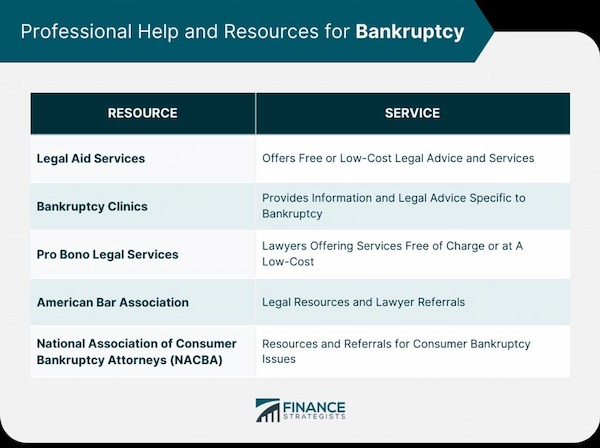
When considering Chapter 7 bankruptcy, consulting with a bankruptcy attorney is a critical step. An attorney can provide personalized advice based on your unique financial situation. They can help you understand the complexities of bankruptcy law and determine if you qualify for Chapter 7.
- Evaluate your financial situation
- Explain the legal process and paperwork
- Discuss potential outcomes and alternatives
It’s essential to choose an attorney with whom you feel comfortable discussing your finances and who has experience in handling Chapter 7 cases.
Remember, while attorneys do charge fees, many offer free initial consultations. This meeting allows you to ask questions and get a sense of whether the attorney is the right fit for you without committing to any costs upfront.
Understanding Exemptions
When filing for Chapter 7 bankruptcy, understanding exemptions is crucial as it determines what property you can keep. Exemptions vary by state, but typically include personal items, a vehicle up to a certain value, and a portion of the equity in your home.
Exemptions play a pivotal role in protecting your essential assets from being sold to pay creditors. It’s important to review the exemption list carefully and apply them correctly to safeguard your property.
The goal of exemptions is not to strip you of all your possessions but to allow you a fresh start while retaining the basics needed to rebuild your financial life.
Here’s a brief overview of common exemptions:
- Homestead (equity in your primary residence)
- Automobile (up to a certain value)
- Personal property (clothing, furniture, etc.)
- Retirement accounts (401(k)s, IRAs)
- Public benefits (Social Security, unemployment)
- Tools of your trade (equipment necessary for your job)
Remember, the specific details and limits of exemptions can differ significantly from one jurisdiction to another, so it’s essential to consult with a knowledgeable bankruptcy attorney to maximize the benefits of exemptions in your case.
Completing Bankruptcy Forms

Filling Out Petition and Schedules
Completing the petition and schedules is a critical step in the Chapter 7 bankruptcy process. You must disclose all aspects of your financial situation, including assets, debts, income, and expenses. This information is crucial for the court to understand your financial position.
The schedules are a series of forms where you’ll list your creditors, the nature of their claims, your income sources, property, and monthly living expenses. It’s essential to be thorough and accurate when completing these forms. Any omission can lead to delays or even allegations of bankruptcy fraud.
Accuracy is paramount, as the information you provide will be scrutinized by the bankruptcy trustee and potentially your creditors. If you’re unsure about any information, it’s advisable to consult with your bankruptcy attorney.
Remember, the goal of these forms is to give a clear picture of your financial status. Inaccurate information can severely impact the outcome of your case.
Below is a fee associated with filing a petition under Chapter 7, as per the Bankruptcy Court Miscellaneous Fee Schedule:
| Filing a Petition under Chapter 7 | Fee |
|---|---|
| Chapter 7 | $78 |
Disclosure of Assets and Debts
When filing for Chapter 7 bankruptcy, it is crucial to disclose all your assets and debts comprehensively. This includes everything from real estate and vehicles to personal belongings and bank account balances. Even assets that may seem insignificant should be listed to ensure full transparency and compliance with bankruptcy laws.
Assets must be categorized and valued accurately. Common categories include:
- Real estate
- Personal property
- Financial accounts
- Business interests
It is essential to approach this step meticulously, as failing to disclose an asset can lead to serious consequences, including the denial of your bankruptcy discharge.
Debts should also be detailed, specifying the creditor, the amount owed, and the nature of the debt. This information provides the court with a clear picture of your financial situation and helps in the determination of your eligibility for Chapter 7 bankruptcy.
Statement of Financial Affairs
The Statement of Financial Affairs is a comprehensive document that provides a snapshot of your financial history. This form requires detailed information about your income, expenses, and transactions that have occurred typically within the last two years. It’s crucial to be thorough and honest when completing this form, as it will be reviewed by the bankruptcy trustee.
When disclosing assets and debts, remember that accuracy is paramount. The trustee will use this information to understand your financial situation and to identify any potential assets that can be used to pay creditors. Here’s a list of items you’ll need to include:
- Income sources and amounts
- Payments to creditors
- Gifts or transfers of property
- Losses from gambling, theft, or casualty
- Storage unit contents
The Statement of Financial Affairs is not just a formality; it plays a vital role in the bankruptcy process. It helps the trustee to detect any fraudulent activity and ensures that all creditors are treated fairly.
Attending Credit Counseling

Mandatory Credit Counseling Session
Before filing for Chapter 7 bankruptcy, individuals must complete a mandatory credit counseling session. This requirement is in place to ensure that filers understand all of their debt relief options. The session must be completed within 180 days before filing the bankruptcy petition.
During the session, a certified counselor will review your financial situation and discuss alternatives to bankruptcy. It’s important to note that the counseling agency must be approved by the U.S. Trustee Program. Here’s a quick checklist to help you prepare for the session:
- Verify the agency’s approval status
- Prepare a list of your debts and assets
- Have an estimate of your monthly income and expenses
Bankruptcy counseling is a critical step in the process, designed to provide individuals with the necessary information to make an informed decision about their financial future.
Receiving Certificate of Completion
Upon completing the mandatory credit counseling session, you will receive a Certificate of Completion. This certificate is crucial as it must be filed with your bankruptcy paperwork. Ensure that the certificate is filed before the deadline, as failing to do so can result in the dismissal of your bankruptcy case.
- Schedule your credit counseling session well in advance of your filing deadline.
- Keep a record of the counseling agency’s name, the date of the session, and the certificate number.
It is essential to maintain a copy of the Certificate of Completion for your records, as it serves as proof that you have fulfilled this bankruptcy requirement.
Remember, the certificate has an expiry date, typically 180 days after the counseling session. Mark this date in your calendar to avoid any issues with your filing.
Meeting with the Trustee
Reviewing Bankruptcy Petition
Once you have completed your bankruptcy forms, the next step is to meet with the trustee who will review your petition. This meeting is crucial as it is the trustee’s job to ensure that all the information provided is accurate and complete. They will meticulously go through the documents, checking for any discrepancies or missing details.
During the review, the trustee will focus on verifying your assets, income, and debts. It’s important to be prepared to answer questions regarding any aspect of your bankruptcy petition. Here’s a list of common areas the trustee may inquire about:
- Your current income and expenses
- Any assets you own
- Recent financial transactions
- Debts and creditors
Be honest and thorough in your responses. Any attempt to conceal assets or provide false information can lead to serious consequences, including the denial of your bankruptcy discharge.
Remember, the trustee’s role is to represent the interests of your creditors and ensure that the bankruptcy process is carried out fairly. Cooperation and transparency during this meeting can help facilitate a smoother bankruptcy process.
Answering Trustee’s Questions
During the meeting with the trustee, you will be required to answer questions about your bankruptcy petition and financial situation. Be honest and thorough in your responses; the trustee’s role is to ensure that all information is accurate and that any non-exempt assets are identified for potential liquidation.
Trustees may ask about your assets, income, expenses, and debts. It’s crucial to have all relevant financial documents on hand to support your statements. Here’s a list of common questions you might encounter:
- How did you arrive at the value of your assets?
- Have you made any large payments to creditors in the past year?
- Did you transfer any property before filing for bankruptcy?
- Can you explain the nature of these expenses on your statement?
Remember, the trustee’s examination is a standard part of the bankruptcy process. Your cooperation and transparency can help move the process along smoothly.
Discharge of Debts

Debts Eligible for Discharge
When filing for Chapter 7 bankruptcy, understanding which debts can be eliminated is crucial. Most unsecured debts, such as credit card balances, medical bills, and personal loans, can be discharged. This means that once your bankruptcy case is complete, you are no longer legally required to pay these debts.
However, not all debts are dischargeable. For instance, alimony, child support, and certain tax obligations will remain your responsibility even after bankruptcy. It’s important to note that the discharge only applies to debts that arose before the date of filing for bankruptcy.
The discharge of debts is a powerful aspect of Chapter 7 bankruptcy, providing a fresh financial start for individuals overwhelmed by debt.
Below is a list of common debts that are typically discharged in a Chapter 7 bankruptcy:
- Credit card debt
- Medical bills
- Personal loans
- Utility bills
- Past due rent
Impact on Credit Score
Filing for Chapter 7 bankruptcy will inevitably affect your credit score. The impact is significant, as bankruptcy can lower your score by a considerable number of points. This reduction varies depending on the individual’s starting score, but it is typically substantial.
After the discharge of debts, the bankruptcy will remain on your credit report for up to 10 years. During this time, it may be more challenging to obtain new credit, and the terms offered (such as interest rates) may be less favorable. However, the effect of bankruptcy on your credit score diminishes over time, especially if you adopt responsible credit habits post-bankruptcy.
It’s important to recognize that rebuilding your credit is possible after bankruptcy. Starting with small, manageable lines of credit and consistently making on-time payments can gradually improve your score.
While the short-term consequences are stark, many individuals find that they can start to rebuild their credit within a few years. By being proactive and making sound financial decisions, you can work towards restoring your financial health.
Conclusion
In conclusion, navigating bankruptcy and filing for Chapter 7 with little to no income can be a challenging process. However, with the right guidance and understanding of the legal procedures, individuals facing financial difficulties can find relief through this option. It is important to seek professional advice and adhere to the requirements set forth by the bankruptcy laws to ensure a smoother transition towards financial stability. By taking the necessary steps and making informed decisions, individuals can work towards a fresh start and rebuild their financial future.
Frequently Asked Questions
What is Chapter 7 bankruptcy?
Chapter 7 bankruptcy is a form of bankruptcy that allows individuals to discharge most of their debts by liquidating their assets.
Who qualifies for Chapter 7 bankruptcy?
To qualify for Chapter 7 bankruptcy, individuals must pass the means test, which assesses their income and expenses to determine eligibility.
How long does the Chapter 7 bankruptcy process take?
The Chapter 7 bankruptcy process typically takes about 3 to 6 months from the time of filing to the discharge of debts.
Can I keep any of my assets in Chapter 7 bankruptcy?
Certain assets may be exempt from liquidation in Chapter 7 bankruptcy, such as primary residences, retirement accounts, and personal belongings.
Will filing for Chapter 7 bankruptcy affect my credit score?
Filing for Chapter 7 bankruptcy will have a negative impact on your credit score, but you can start rebuilding your credit over time.
Do I need to attend a credit counseling session before filing for Chapter 7 bankruptcy?
Yes, individuals filing for Chapter 7 bankruptcy are required to attend a mandatory credit counseling session before the filing.
What debts are eligible for discharge in Chapter 7 bankruptcy?
Most unsecured debts, such as credit card debt and medical bills, are eligible for discharge in Chapter 7 bankruptcy.
Can I file for Chapter 7 bankruptcy without an attorney?
While it is possible to file for Chapter 7 bankruptcy without an attorney, consulting with a bankruptcy attorney is highly recommended to ensure the process goes smoothly.