Understanding the land value of your property is essential for homeowners who want to make informed decisions about their real estate investments. By knowing the factors that affect land value and the methods used to determine it, homeowners can better understand the potential of their property. Researching property data, working with real estate professionals, improving land value, understanding zoning and regulations, evaluating development potential, considering external factors, and maximizing land value are all crucial steps in discovering the true value of your property. In this guide, we will explore each of these topics and provide key takeaways to help homeowners navigate the complex world of land value.
Table of Contents
Key Takeaways
- Understanding the factors that affect land value is crucial for homeowners.
- Researching property data, such as public records and comparable sales, can provide valuable insights.
- Working with real estate professionals, such as appraisers and agents, can help homeowners make informed decisions.
- Improving curb appeal, investing in landscaping, and upgrading infrastructure can enhance land value.
- Understanding zoning laws and regulations is important for property owners.
Understanding Land Value

Factors Affecting Land Value
One of the most significant factors influencing land value is its location and accessibility. Land located in areas with easy access to employment, good schools, and amenities tends to have higher value. Additionally, proximity to transportation hubs, such as airports and major highways, can also positively impact land value. Other factors that can affect land value include the size and shape of the property, topography, natural features, and the presence of utilities.
Methods of Determining Land Value
When it comes to determining the value of your land, there are several methods that can be used. One common approach is the sales comparison method, which involves analyzing recent transactions of similar properties. This method takes into account factors such as location, size, and condition of the land. Another method is the income capitalization approach, which is commonly used for commercial properties. It considers the potential income that can be generated from the land and calculates its value based on that. Additionally, the cost approach can be used, which estimates the value of the land by considering the cost of replacing it.
Researching Property Data

Accessing Public Records
When researching the land value of your property, accessing public records is a crucial step. Public records provide valuable information about a property’s history, ownership, and previous sales. This information can help you understand the market value of your land and make informed decisions.
One way to access public records is through the local county assessor’s office. They maintain records of property assessments, tax records, and other relevant information. You can visit their office in person or check their website for online access.
Another option is to use online platforms that provide access to public records. These platforms aggregate data from various sources and make it easily accessible to homeowners. Some popular online tools include Zillow, Realtor.com, and Redfin.
By accessing public records, you can gather important data about your property and its value. This information will be useful when determining the land value and making decisions regarding your property.
Analyzing Comparable Sales
Analyzing comparable sales is an essential step in determining the land value of your property. It involves researching and evaluating recent sales of similar properties in the same area. By comparing the sale prices and characteristics of these properties, you can gain insights into the market value of your land.
One important aspect of analyzing comparable sales is conducting thorough research. This includes gathering data on recent sales, such as the sale price, property size, location, and any unique features. Research allows you to identify trends and patterns in the market, which can help you determine the value of your land.
Another key factor in analyzing comparable sales is evaluating the similarities and differences between the properties. This involves considering factors such as the property’s size, condition, amenities, and location. By evaluating these factors, you can determine how closely the comparable properties align with your own property and make adjustments accordingly.
To organize and compare the data gathered from comparable sales, you can create a table. The table should include relevant information such as the sale price, property size, location, and any unique features. This allows you to easily compare the properties and identify any significant differences or similarities.
It’s important to note that analyzing comparable sales is not a one-size-fits-all approach. Each property is unique, and factors such as location, condition, and market demand can greatly impact the value. Therefore, it’s essential to consult with a real estate professional or appraiser who can provide expert guidance and help you accurately assess the value of your land.
Utilizing Online Tools
When it comes to researching property data, online tools can be a valuable resource for homeowners. These tools provide access to a wealth of information that can help you understand the land value of your property. One popular online tool is Zillow, which allows you to search for recent sales data, property values, and other relevant information. Another useful tool is Realtor.com, which provides similar information and also allows you to search for properties in your area.
In addition to these websites, there are also online platforms that specialize in providing property data and analytics. These platforms, such as Redfin and Trulia, offer detailed information on property values, market trends, and comparable sales. They can help you analyze the market and make informed decisions about your property.
Using online tools can save you time and effort in researching property data. They provide a convenient way to access information and can assist you in understanding the land value of your property.
Working with Real Estate Professionals
Hiring an Appraiser
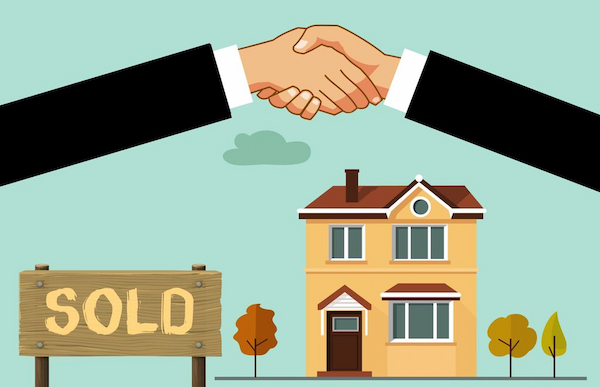
When it comes to determining the value of your property, hiring an appraiser can be a crucial step. An appraiser is a trained professional who evaluates the worth of a property based on various factors such as location, size, condition, and comparable sales. Their expertise can provide you with an accurate and unbiased assessment of your property’s value.
Consulting with a Real Estate Agent
When consulting with a real estate agent, it is important to find someone who has experience and knowledge in the local market. They can provide valuable insights and guidance on the current trends and demand in the area. Negotiation skills are also crucial when working with an agent, as they can help you get the best deal possible.
Additionally, a real estate agent can assist you in navigating the complex process of buying or selling a property. They can help you understand the paperwork involved, guide you through the legal requirements, and ensure that all necessary documents are properly completed.
It is recommended to meet with multiple agents and ask them about their track record, marketing strategies, and their familiarity with the specific neighborhood. This will help you make an informed decision and choose an agent who is the right fit for your needs.
Remember, a real estate agent can be a valuable resource throughout the entire process, from initial consultation to closing the deal.
Improving Land Value

Enhancing Curb Appeal
Enhancing curb appeal is crucial in making a positive first impression of your property. It involves making the exterior of your home as attractive as possible. There are several affordable ways to enhance curb appeal, such as adding lights, painting the front door, and adding flowers.
Investing in Landscaping
Investing in landscaping can significantly enhance the overall value of your property. A well-maintained and visually appealing landscape creates a positive first impression and can attract potential buyers or tenants. Here are some key considerations when investing in landscaping:
- Choose native plants and trees that thrive in your climate to minimize maintenance and water usage.
- Create a cohesive design that complements the architectural style of your home.
- Install outdoor lighting to highlight key features and improve safety.
- Regularly maintain and update your landscaping to ensure it remains in good condition.
Investing in landscaping not only improves the aesthetic appeal of your property but also contributes to its functionality and sustainability. By creating an inviting outdoor space, you can maximize the enjoyment and value of your property.
Upgrading Infrastructure
Upgrading the infrastructure of your property can have a significant impact on its land value. By improving the essential systems and structures, you can attract potential buyers or tenants and increase the overall appeal of your property. Some key areas to focus on when upgrading infrastructure include:
Understanding Zoning and Regulations
Zoning Laws and Restrictions
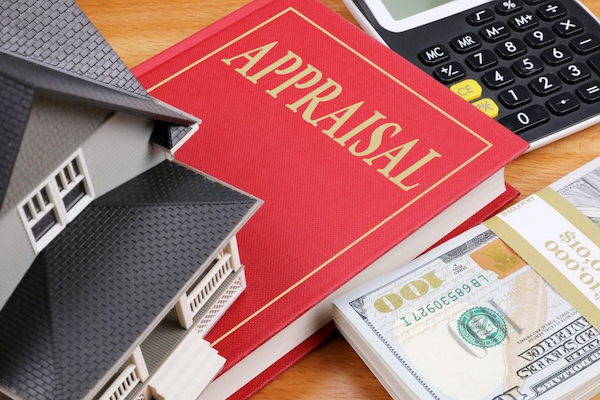
Zoning laws and restrictions play a crucial role in determining how land can be used and developed. These regulations are put in place by local governments to ensure that land use is organized and compatible with the surrounding area. Understanding the zoning laws and restrictions that apply to your property is essential for homeowners and developers alike. It helps to prevent conflicts and ensures that any development plans are in compliance with the law.
Navigating Building Codes
When it comes to navigating building codes, it is important to understand the regulations and requirements that govern construction projects. Building codes are put in place to ensure the safety and structural integrity of buildings. Compliance with these codes is essential to avoid penalties and legal issues.
To navigate building codes effectively, homeowners should consider the following:
- Familiarize themselves with the local building codes and regulations.
- Seek guidance from professionals such as architects or contractors who are knowledgeable about the codes.
- Submit the necessary permits and documentation to the local authorities.
Tip: It is advisable to consult with a professional who specializes in building codes to ensure compliance and avoid any potential setbacks or delays in the construction process.
Evaluating Development Potential

Identifying Development Opportunities
Identifying development opportunities is crucial for maximizing the value of your land. One important strategy is to build up a network of people who are well-versed in the local market. These individuals can provide valuable insights and help you find good development properties at fair prices. Additionally, conducting thorough research and analysis of the market trends and demand can help identify areas with high growth potential. By staying informed about the latest developments and opportunities, you can make informed decisions and take advantage of favorable market conditions.
Assessing Feasibility and Costs
When evaluating the feasibility and costs of a potential development project, it is important to consider various factors. These factors include the availability of resources, such as land and materials, as well as the financial implications of the project. Additionally, conducting a thorough cost analysis is crucial to determine the profitability and viability of the development. This analysis should take into account construction costs, permits and fees, and potential revenue streams. By carefully assessing feasibility and costs, developers can make informed decisions and mitigate risks.
Considering External Factors

Location and Accessibility
When it comes to the value of your property, location and accessibility play a crucial role. A property’s proximity to amenities such as schools, shopping centers, and transportation hubs can significantly impact its value. Additionally, easy access to major roads and highways can make a property more desirable to potential buyers or tenants. Therefore, it is important to consider the location and accessibility of your property when evaluating its land value.
Market Trends and Demand
Understanding market trends and demand is crucial when evaluating the land value of your property. Market trends refer to the overall direction in which the real estate market is moving, whether it’s experiencing growth, stability, or decline. Demand refers to the desire and willingness of buyers to purchase properties in a specific location. By analyzing market trends and demand, homeowners can gain valuable insights into the potential value of their land.
Maximizing Land Value

Optimizing Use of Space
When it comes to optimizing the use of space on your property, there are several strategies you can employ. Maximizing the available space is essential for increasing the land value and making the most out of your investment. Here are a few key considerations:
- Multi-functional design: Create spaces that can serve multiple purposes. For example, a room can be designed to function as both a home office and a guest bedroom.
- Efficient storage solutions: Utilize smart storage solutions to maximize space. Built-in shelves, under-bed storage, and wall-mounted organizers can help declutter and create a more spacious environment.
- Outdoor living areas: Extend your living space outdoors by creating functional outdoor areas. This can include a patio, deck, or garden seating area.
Tip: When optimizing the use of space, think creatively and consider how each area can serve multiple functions. This will not only enhance the functionality of your property but also increase its overall value.
Exploring Mixed-Use Development
Mixed-use development is a popular trend in urban planning and real estate. It involves combining different types of land uses, such as residential, commercial, and recreational, within a single project. This approach creates vibrant and diverse communities that offer a range of amenities and opportunities for residents and visitors alike. Mixed-use development can provide numerous benefits, including increased property values, improved walkability, and a stronger sense of community.
Conclusion
In conclusion, understanding the land value of your property is crucial for homeowners. By following the steps outlined in this guide, you can gain valuable insights into the worth of your land. Whether you are considering selling your property, refinancing your mortgage, or simply curious about its value, knowing the land value can help you make informed decisions. Remember to consult with professionals, such as real estate agents and appraisers, for accurate and up-to-date information. Take advantage of the resources available to you, such as online tools and local market data, to get a comprehensive understanding of your property’s land value. With this knowledge, you can confidently navigate the real estate market and maximize the potential of your investment.
Frequently Asked Questions
What is land value?
Land value refers to the monetary worth of a piece of land, excluding any improvements or structures on it. It is determined by various factors such as location, size, accessibility, zoning, and market demand.
How is land value determined?
Land value is determined through various methods, including comparative market analysis, appraisals, and assessments. These methods take into account factors such as comparable sales, location, zoning, accessibility, and market trends.
Why is understanding land value important?
Understanding land value is important for homeowners as it helps in making informed decisions about property investment, selling, or development. It provides insights into the potential profitability, market demand, and future growth prospects of the land.
Can land value change over time?
Yes, land value can change over time due to various factors such as economic conditions, changes in zoning regulations, infrastructure development, market demand, and overall growth of the area. It is important to regularly assess and monitor land value to stay informed about its potential changes.
How can I access public records for property research?
Public records can be accessed through local government offices, online databases, or county assessor’s websites. These records provide information about property ownership, sales history, tax assessments, zoning regulations, and other relevant data for researching land value.
What is the role of an appraiser in determining land value?
An appraiser is a professional who assesses the value of a property, including land value. They consider various factors such as location, size, zoning, market demand, comparable sales, and property condition to determine an accurate valuation. Their expertise is valuable in providing an unbiased and objective assessment of land value.
How can I enhance the curb appeal of my property to increase land value?
To enhance curb appeal and increase land value, homeowners can focus on improving the exterior appearance of their property. This can include maintaining a well-manicured lawn, adding landscaping features, repainting the house, upgrading the front entrance, and ensuring overall cleanliness and tidiness.
What is mixed-use development and how does it maximize land value?
Mixed-use development refers to the integration of different types of land uses, such as residential, commercial, and recreational, within a single property or development project. It maximizes land value by creating a diverse and vibrant environment that attracts a wide range of residents, businesses, and visitors. This can lead to increased demand, higher property values, and greater economic opportunities.