Property maintenance is an essential aspect of owning or managing a property. It involves regular upkeep and repairs to ensure the property remains in good condition. By addressing maintenance tasks promptly, property owners can prevent costly damages and maintain the value of their investment. In this article, we will explore the basics of property maintenance, including its importance, common tasks, budgeting, preventive measures, emergency maintenance, and specific considerations for landlords and homeowners.
Table of Contents
Key Takeaways
- Property maintenance involves regular upkeep and repairs to ensure the property remains in good condition.
- Regular property maintenance offers several benefits, including increased property value, improved safety, and reduced repair costs.
- Common property maintenance tasks include landscaping, cleaning, painting, and checking for leaks or damages.
- It is important to create a property maintenance budget to allocate funds for routine maintenance and unexpected repairs.
- Preventive maintenance is essential to identify and address potential issues before they become major problems.
What is Property Maintenance?
The Importance of Property Maintenance
Property maintenance is crucial for ensuring the longevity and value of your property. By regularly maintaining your property, you can prevent costly repairs and preserve its aesthetic appeal. Neglecting property maintenance can lead to deterioration and devaluation of your property, making it less attractive to potential buyers or tenants.
To emphasize the importance of property maintenance, here are a few key points:
- Preserving Property Value: Regular maintenance helps maintain the value of your property, allowing you to maximize your investment.
- Preventing Major Issues: Addressing minor maintenance tasks promptly can prevent them from escalating into major problems that require expensive repairs.
- Enhancing Safety: Proper maintenance ensures that your property is safe for occupants, reducing the risk of accidents or injuries.
Remember, a well-maintained property not only provides a comfortable living or working environment but also contributes to your financial well-being.
Benefits of Regular Property Maintenance
Regular property maintenance offers several benefits for property owners. First, it helps to preserve the value of the property. By addressing maintenance issues promptly, property owners can prevent small problems from turning into major repairs that can be costly. Second, regular maintenance ensures that the property remains safe and habitable for tenants or occupants. This includes addressing issues such as faulty wiring, leaky pipes, or structural damage. Third, regular maintenance can improve energy efficiency. By regularly inspecting and maintaining HVAC systems, insulation, and windows, property owners can reduce energy waste and lower utility costs.
In addition, regular property maintenance can enhance the curb appeal of the property. This includes tasks such as landscaping, painting, and cleaning. A well-maintained property not only looks more attractive but also creates a positive impression on potential tenants or buyers. Finally, regular maintenance can reduce the likelihood of emergency repairs. By proactively addressing maintenance issues, property owners can minimize the risk of unexpected breakdowns or emergencies.
Common Property Maintenance Tasks
Property maintenance involves a range of tasks that are essential for the upkeep and preservation of a property. These tasks ensure that the property remains in good condition and can be enjoyed by its occupants. Some common property maintenance tasks include regular cleaning and maintenance of the interior and exterior, landscaping and gardening, pest control, and successful renovations. Regular cleaning and maintenance help keep the property clean and free from dirt and debris. Landscaping and gardening enhance the aesthetic appeal of the property, while pest control ensures a safe and healthy living environment. Successful renovations can improve the functionality and value of the property. It is important to plan and execute renovations carefully to achieve the desired results. Hiring professionals for renovations can ensure high-quality workmanship and minimize potential issues.
Property Maintenance Checklist
Exterior Maintenance
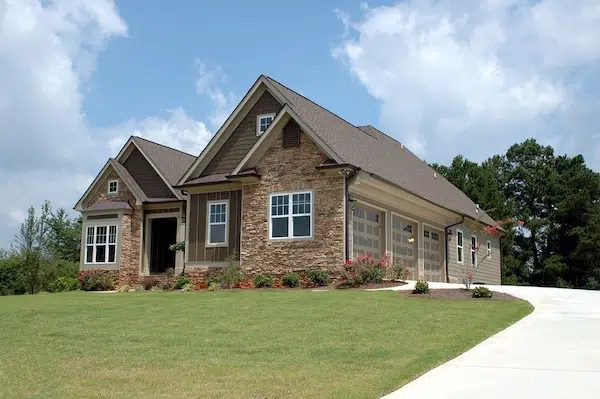
Exterior maintenance is an essential aspect of property upkeep. It involves maintaining the external areas of a property, such as the building facade, landscaping, and outdoor structures. Regular exterior maintenance helps to preserve the property’s appearance, prevent damage, and ensure the safety of occupants and visitors.
One important aspect of exterior maintenance is addressing the impact of weather conditions. Extreme weather, such as heavy rain, strong winds, and freezing temperatures, can have a detrimental impact on the exterior of a property. It is crucial to inspect and repair any damage caused by weather conditions promptly.
Another key consideration in exterior maintenance is the impact of natural elements. Trees, shrubs, and other vegetation can have an impact on the property’s exterior. Regular pruning and trimming of trees and shrubs can help prevent damage to the building and maintain a neat and tidy appearance.
Additionally, regular cleaning of the exterior surfaces is essential to remove dirt, debris, and stains. Pressure washing or using appropriate cleaning solutions can help restore the property’s exterior and enhance its curb appeal.
To ensure effective exterior maintenance, it is recommended to create a schedule for inspections and maintenance tasks. This can include regular checks for cracks, leaks, or signs of deterioration, as well as cleaning gutters and downspouts to prevent water damage. By addressing exterior maintenance proactively, property owners can minimize the risk of costly repairs and maintain the value of their property.
Interior Maintenance
Interior maintenance involves taking care of the inside of a property to ensure its functionality and aesthetics. It includes tasks such as cleaning, repairing, and updating various elements within the property. One important aspect of interior maintenance is furnishings. Choosing the right furnishings for showcasing homes can greatly enhance the overall appeal of a property. It is essential to select furniture and decor that complements the style and layout of the space. Additionally, proper arrangement and placement of furnishings can create a sense of flow and maximize the use of available space. By paying attention to the details of interior maintenance, homeowners and landlords can create a welcoming and visually appealing environment for residents and potential tenants.
Plumbing and Electrical Maintenance
Plumbing and electrical maintenance are crucial aspects of property upkeep. These tasks ensure that the plumbing and electrical systems in a property are functioning properly and safely. Regular maintenance helps prevent costly repairs and potential hazards. It is important to address plumbing and electrical issues promptly to avoid further damage and inconvenience. While some minor plumbing and electrical tasks can be done by homeowners, it is recommended to hire a professional for complex or hazardous work. Acquiring a second home.
HVAC System Maintenance
Proper maintenance of your HVAC system is crucial to ensure its longevity and efficiency. Regular maintenance helps prevent costly repairs and extends the lifespan of your system. Here are some important tips for HVAC system maintenance:
- Regular cleaning: Clean or replace air filters every 1-3 months to improve air quality and prevent dust buildup.
- Check for leaks: Inspect the ductwork and connections for any leaks or gaps that may affect the system’s performance.
- Schedule professional inspections: Hire a licensed HVAC technician to perform regular inspections and tune-ups.
It is also important to note that if you are buying a home from a relative, it is still essential to have the HVAC system inspected and maintained to ensure its proper functioning.
Tip: Consider investing in a programmable thermostat to optimize energy usage and save on utility bills.
Remember, proper HVAC system maintenance is key to a comfortable and efficient indoor environment.
Roof and Gutter Maintenance
Roof and gutter maintenance is an essential part of property upkeep. Regular maintenance is crucial to ensure the longevity and functionality of your roof and gutters. It involves inspecting and cleaning the roof and gutters to prevent any damage or blockages. By regularly maintaining your roof and gutters, you can avoid costly repairs and extend their lifespan. Here are some key tasks to include in your roof and gutter maintenance routine:
- Inspect the roof for any signs of damage, such as missing or damaged shingles.
- Clean the gutters to remove leaves, debris, and other obstructions.
- Check for any leaks or cracks in the gutters and repair them promptly.
- Trim overhanging tree branches that could potentially damage the roof or gutters.
Remember, regular maintenance is essential to keep your roof and gutters in good condition and prevent any potential issues.
DIY vs Professional Property Maintenance
When to DIY Property Maintenance
When it comes to property maintenance, there are certain tasks that can be easily done by homeowners themselves. DIY property maintenance can save you money and give you a sense of accomplishment. However, it’s important to know your limits and when to call in a professional. For more complex tasks or those that require specialized knowledge, it’s best to hire a professional to ensure the job is done correctly and safely. One example of a task that may require professional assistance is Notarization Guidelines. Notarization is a legal process that requires specific knowledge and expertise. It’s important to follow the guidelines set by your local jurisdiction to ensure the validity of documents. If you’re unsure about the notarization process, it’s always best to consult with a professional notary public.
When to Hire a Professional
Knowing when to hire a professional for property maintenance is crucial. While some tasks can be handled on your own, others require the expertise of a trained professional. Real estate mastery is one area where hiring a professional is highly recommended. Professionals who specialize in property maintenance have the knowledge and experience to handle complex issues that may arise. They can provide valuable insights and solutions that can save you time, money, and stress. By hiring a professional, you can ensure that your property is well-maintained and in good condition.
Choosing the Right Property Maintenance Company
When it comes to choosing the right property maintenance company, there are a few key factors to consider. First, it’s important to assess your maintenance needs and determine the specific services you require. This will help you narrow down your options and find a company that specializes in the areas you need assistance with. Additionally, consider the company’s experience and reputation. Look for a company that has a proven track record of providing high-quality maintenance services and has positive reviews from previous clients. Finally, don’t forget to consider the cost. While it’s important to find a company that fits within your budget, remember that quality should not be compromised. It’s worth investing in a reputable company that can meet your maintenance needs effectively and efficiently.
Budgeting for Property Maintenance
Understanding the Costs of Property Maintenance
Property maintenance involves various costs that homeowners and landlords need to consider. It is important to understand these costs to effectively budget for property maintenance. Some of the common areas that require maintenance include the exterior of the property, interior spaces, plumbing and electrical systems, HVAC systems, and the roof and gutters. Each of these areas may have specific maintenance tasks and associated costs.
Creating a Property Maintenance Budget
When creating a property maintenance budget, it is important to consider various factors to ensure that you allocate the necessary funds for maintaining your property. Here are some key points to keep in mind:
- Assess your property’s needs: Start by evaluating the current condition of your property and identifying any maintenance or repair needs. This will help you prioritize your budget allocation.
- Research costs: Research the average costs of common property maintenance tasks in your area. This will give you an idea of how much to budget for each task.
- Include regular maintenance: Don’t forget to include regular maintenance tasks, such as landscaping, cleaning, and inspections, in your budget. These tasks are essential for preventing larger issues down the line.
- Allocate contingency funds: It’s always a good idea to set aside some contingency funds for unexpected repairs or emergencies. This will help you avoid financial strain in case of unforeseen circumstances.
- Review and adjust: Regularly review your property maintenance budget and make adjustments as needed. As your property ages or your needs change, you may need to reallocate funds or update your budget priorities.
Remember, a well-planned property maintenance budget is crucial for ensuring the longevity and value of your property.
Tips for Saving Money on Property Maintenance
When it comes to property maintenance, there are several ways to save money without compromising on quality. Here are some tips to help you reduce your property maintenance costs:
- Regular inspections: Conducting regular inspections can help identify potential issues early on, preventing them from becoming costly problems down the line.
- DIY projects: For minor repairs and maintenance tasks, consider doing them yourself instead of hiring a professional. This can save you money on labor costs.
- Proactive maintenance: Taking a proactive approach to maintenance can help prevent major issues from occurring. This includes tasks such as cleaning gutters, maintaining landscaping, and servicing HVAC systems.
Tip: Keep a record of all maintenance and repairs to track expenses and identify patterns.
By following these tips, you can effectively manage your property maintenance costs and keep them within budget.
Preventive Property Maintenance
Benefits of Preventive Maintenance
Preventive maintenance is crucial for ensuring the longevity and efficiency of your property. By regularly inspecting and addressing potential issues, you can prevent costly repairs and minimize downtime. One of the key benefits of preventive maintenance is the ability to identify and resolve problems before they escalate into major issues. This proactive approach allows you to save time and money in the long run.
In addition, preventive maintenance promotes clear communication between property owners, tenants, and maintenance staff. By establishing open lines of communication, you can effectively address concerns and coordinate maintenance tasks. This helps to maintain a positive relationship with tenants and ensures that everyone is on the same page when it comes to property maintenance.
To implement an effective preventive maintenance plan, consider the following steps:
- Conduct regular inspections of the property to identify potential issues.
- Create a schedule for routine maintenance tasks, such as HVAC system checks and gutter cleaning.
- Keep detailed records of maintenance activities and repairs.
Remember, preventive maintenance is an investment in the long-term health of your property. By taking proactive measures, you can avoid costly repairs and maintain a well-functioning property.
Key Areas for Preventive Maintenance
Preventive maintenance is crucial for ensuring the longevity and efficiency of your property. By addressing potential issues before they become major problems, you can save time, money, and stress in the long run. Here are some key areas to focus on for preventive maintenance:
- Roof: Regularly inspect and maintain your roof to prevent leaks and structural damage.
- Plumbing: Check for leaks, repair any damaged pipes, and ensure proper drainage to avoid water damage.
- Electrical: Regularly inspect and maintain your electrical system to prevent fire hazards and ensure safety.
- HVAC: Clean and service your heating, ventilation, and air conditioning system to maintain optimal performance.
- Exterior: Regularly clean and maintain the exterior of your property to prevent damage from weather and pests.
By prioritizing preventive maintenance in these key areas, you can minimize the risk of costly repairs and keep your property in excellent condition.
Developing a Preventive Maintenance Plan
When developing a preventive maintenance plan, it is important to consider the various aspects of property maintenance. This includes regular inspections, routine repairs, and proactive measures to prevent future issues. One key aspect is to identify potential problem areas and address them before they become major concerns. This can involve conducting regular assessments of the property’s systems and components, such as the plumbing, electrical, HVAC, and roofing. By identifying and addressing minor issues early on, you can avoid costly repairs and ensure the longevity of your property. Additionally, it is important to establish a schedule for routine maintenance tasks, such as cleaning gutters, servicing HVAC systems, and inspecting the property’s exterior. This will help maintain the overall condition of the property and minimize the need for major repairs in the future.
Emergency Property Maintenance
Dealing with Urgent Property Issues
When it comes to urgent property issues, time is of the essence. Whether it’s a burst pipe, electrical failure, or structural damage, immediate action is crucial to prevent further damage and ensure the safety of occupants. Preventive maintenance plays a vital role in minimizing the occurrence of such emergencies. By regularly inspecting and maintaining your property, you can identify potential issues before they escalate into urgent problems. Here are a few steps to take when dealing with urgent property issues:
- Assess the situation and prioritize safety.
- Contact the appropriate professionals for assistance.
- Document the issue and any damage for insurance purposes.
- Take immediate action to mitigate the problem.
Remember, being prepared and proactive can help minimize the impact of urgent property issues and save you time, money, and stress in the long run.
Emergency Property Maintenance Checklist
When it comes to emergency property maintenance, it’s crucial to be prepared and act quickly. Whether you’re a homeowner or a landlord, unexpected issues can arise that require immediate attention. Here are some important steps to follow in an emergency:
- Assess the situation: Before taking any action, assess the severity of the problem. Is it a minor issue that can be resolved quickly, or does it require professional help?
- Contact the necessary authorities: If the emergency involves a fire, gas leak, or other hazardous situation, call the appropriate emergency services immediately.
- Notify tenants or occupants: If you’re a landlord, it’s important to inform your tenants about the emergency and provide them with any necessary instructions or evacuation procedures.
- Document the damage: Take photos or videos of the damage for insurance purposes. This will help you when filing a claim.
- Contact emergency property maintenance services: If the issue is beyond your capabilities, contact a reliable emergency property maintenance service to handle the repairs.
Remember, emergency property maintenance requires prompt action and clear communication to ensure the safety and well-being of everyone involved.
Finding Emergency Property Maintenance Services
When it comes to finding emergency property maintenance services, it’s important to consider the pros and cons of buying a model home. While a model home may offer attractive features and a move-in ready condition, there are certain factors to keep in mind. One of the pros of buying a model home is that it often comes with upgraded features and modern designs. However, there are also cons to consider, such as the potential for limited customization options and the possibility of higher prices compared to other homes in the area. It’s essential to weigh these factors before making a decision.
In addition to considering the pros and cons of buying a model home, it’s crucial to research and compare different property maintenance companies. Look for companies that specialize in emergency services and have a proven track record of reliability. Reading customer reviews and testimonials can provide insights into the quality of their work and customer satisfaction. It’s also a good idea to ask for recommendations from friends, family, or neighbors who have previously used emergency property maintenance services.
When contacting property maintenance companies, be prepared to ask specific questions about their availability, response time, and pricing. Inquire about their experience in handling emergency situations and whether they have the necessary licenses and insurance. It’s important to choose a company that is well-equipped to handle a wide range of emergencies, from plumbing issues to electrical problems or structural damage.
Remember, finding the right emergency property maintenance services is crucial for ensuring prompt and efficient resolution of urgent issues. By considering the pros and cons of buying a model home and conducting thorough research on property maintenance companies, you can make an informed decision and have peace of mind knowing that your property is in good hands.
Property Maintenance for Landlords
Legal Responsibilities of Landlords
As a landlord, it is important to understand your legal responsibilities in maintaining your property. These responsibilities ensure the safety and well-being of your tenants and help you avoid legal issues. One key aspect of property maintenance is being prepared for emergency services. In case of any urgent property issues, it is crucial to have a plan in place to address them promptly. This includes having contact information for reliable emergency services such as plumbers, electricians, and contractors who can quickly respond to any emergencies that may arise. Being proactive in this area can save you time, money, and potential damage to your property.
Tenant Communication and Property Maintenance
Effective communication with tenants is crucial for successful property maintenance. It allows landlords to address maintenance issues promptly and ensures tenants feel heard and valued. Efficient maintenance procedures can be established through clear communication channels, such as email or a dedicated maintenance request system. This enables tenants to report issues easily and allows landlords to prioritize and schedule repairs accordingly. Regular updates and timely responses to maintenance requests help build trust and maintain a positive landlord-tenant relationship.
Tips for Efficient Property Maintenance as a Landlord
As a landlord, efficient property maintenance is crucial for ensuring tenant satisfaction and preserving the value of your property. One important aspect of property maintenance is handling moving out procedures. When a tenant moves out, it is essential to follow proper procedures to ensure a smooth transition. This includes conducting a thorough inspection of the property, documenting any damages, and returning the security deposit in a timely manner. By following these procedures, you can minimize disputes and maintain a positive relationship with your tenants.
Property Maintenance for Homeowners
Home Maintenance Tips for Homeowners
As a homeowner, it is important to stay on top of property maintenance to ensure the longevity and value of your investment. Regular maintenance tasks can help prevent costly repairs and maintain the overall condition of your property. Here are some essential home maintenance tips:
- Inspect and clean gutters regularly: Clogged gutters can lead to water damage and foundation issues. Make sure to remove debris and check for any leaks.
- Check and replace air filters: Dirty air filters can reduce the efficiency of your HVAC system and affect indoor air quality. Replace them regularly to ensure optimal performance.
- Maintain the exterior: Regularly inspect the exterior of your home for any signs of damage, such as cracks or peeling paint. Addressing these issues promptly can prevent further damage.
- Test smoke detectors and carbon monoxide alarms: Ensure that all smoke detectors and carbon monoxide alarms are functioning properly by testing them regularly.
- Schedule regular pest control: Prevent infestations by scheduling regular pest control treatments.
- Keep up with landscaping: Maintain your yard by mowing the lawn, trimming bushes, and removing weeds. A well-maintained landscape enhances curb appeal.
Remember, as a homeowner, you are responsible for the upkeep of your property. By following these home maintenance tips, you can ensure a safe and comfortable living environment.
Scheduling Regular Property Inspections
Regular property inspections are essential for homeowners to ensure the maintenance and safety of their property. These inspections allow homeowners to identify any potential issues before they become major problems. It is recommended to schedule inspections at least twice a year to catch any wear and tear or maintenance needs. During these inspections, homeowners should pay special attention to areas such as the roof, foundation, plumbing, electrical systems, and HVAC. Additionally, it is important to check for any signs of pest infestation or water damage. By conducting regular property inspections, homeowners can prevent costly repairs and ensure the longevity of their property.
Maintaining Curb Appeal
Maintaining curb appeal is essential for homeowners. It involves keeping the exterior of your property well-maintained and visually appealing. This includes regular cleaning, landscaping, and making necessary repairs. By investing time and effort into maintaining curb appeal, you can enhance the overall appearance of your home and increase its value. Additionally, a well-maintained exterior creates a positive first impression for visitors and potential buyers. It is important to regularly assess the condition of your property’s exterior and address any issues promptly. This will help prevent further damage and costly repairs in the future.
Conclusion
In conclusion, understanding the basics of property maintenance is crucial for homeowners and property managers. By following the guidelines outlined in this article, individuals can ensure that their properties are well-maintained and in good condition. Regular inspections and timely repairs are key to preventing major issues and increasing property value. Additionally, proper maintenance can contribute to a safe and comfortable living environment for tenants. Remember, property maintenance is an ongoing process that requires dedication and attention to detail. With the knowledge gained from this article, readers can confidently take care of their properties and enjoy the benefits of a well-maintained space.
Frequently Asked Questions
What is property maintenance?
Property maintenance refers to the regular upkeep and repair of a property to ensure its functionality, safety, and aesthetics.
Why is property maintenance important?
Property maintenance is important to preserve the value of a property, ensure the safety and comfort of occupants, and prevent costly repairs in the future.
What are the benefits of regular property maintenance?
Regular property maintenance helps to identify and address issues early on, extends the lifespan of building components, improves energy efficiency, and enhances the overall appearance of the property.
What are some common property maintenance tasks?
Common property maintenance tasks include cleaning, landscaping, painting, repairing fixtures and appliances, inspecting and maintaining HVAC systems, and addressing plumbing and electrical issues.
Should I hire a professional for property maintenance?
It depends on your skills, availability, and the complexity of the task. Hiring a professional can ensure the work is done correctly and efficiently, especially for complex or specialized tasks.
How do I choose the right property maintenance company?
When choosing a property maintenance company, consider their experience, reputation, range of services offered, pricing, and customer reviews. Requesting references and comparing multiple companies can help you make an informed decision.
How much does property maintenance cost?
The cost of property maintenance can vary depending on factors such as the size and type of property, the scope of work, and the location. It is recommended to budget around 1-3% of the property’s value per year for maintenance expenses.
What are some tips for saving money on property maintenance?
Some tips for saving money on property maintenance include performing regular inspections and maintenance to catch issues early, comparing prices and getting multiple quotes, considering DIY for simple tasks, and prioritizing repairs based on urgency and importance.