When it comes to moving out of a rental property, there are several important aspects to consider. Understanding lease agreements, giving notice to vacate, security deposits and refunds, cleaning and repairs, and the final inspection and move-out process are key areas to be aware of. By familiarizing yourself with these topics, you can ensure a smooth and hassle-free transition when it’s time to move out.
Table of Contents
Key Takeaways
- Different types of lease agreements exist, such as fixed-term and month-to-month leases.
- Key terms in a lease agreement include rent amount, lease duration, and maintenance responsibilities.
- Giving notice to vacate typically requires a specific notice period, which may vary depending on the lease agreement.
- Methods of giving notice can include written notice, verbal notice, or electronic communication.
- Security deposits are collected to cover any damages or unpaid rent and are refundable under certain conditions.
Understanding Lease Agreements

Types of Lease Agreements
When it comes to lease agreements, there are various types that tenants should be aware of. These include fixed-term leases, month-to-month leases, and subleases. Each type has its own advantages and considerations. For example, a fixed-term lease provides stability and a set rental period, while a month-to-month lease offers flexibility. Subleasing allows tenants to rent out a portion of their rented space to another person. It’s important for tenants to understand the terms and conditions of their lease agreement to ensure a smooth renting experience.
Key Terms in a Lease Agreement
Understanding the key terms in a lease agreement is crucial for both tenants and landlords. These terms outline the rights and responsibilities of each party and help ensure a smooth rental experience. While lease agreements can vary, it’s important to pay attention to certain key terms that can have a significant impact on your tenancy. Here are some important key terms to be aware of:
Giving Notice to Vacate

Notice Period
The notice period is the amount of time a tenant must give to their landlord before moving out. It is important to understand and adhere to the notice period stated in the lease agreement. The notice period varies depending on the terms of the lease and local laws. Failure to provide the required notice may result in forfeiting the security deposit or facing legal consequences.
Methods of Giving Notice
When it comes to giving notice to vacate, tenants have several methods they can use. It is important to understand the different options available and choose the one that best suits your situation. Landlords typically require written notice, which can be delivered in person, sent by certified mail, or emailed. Make sure to check your lease agreement for any specific requirements regarding the method of giving notice. Additionally, it is recommended to keep a copy of the notice for your records.
Security Deposits and Refunds
Purpose of Security Deposits
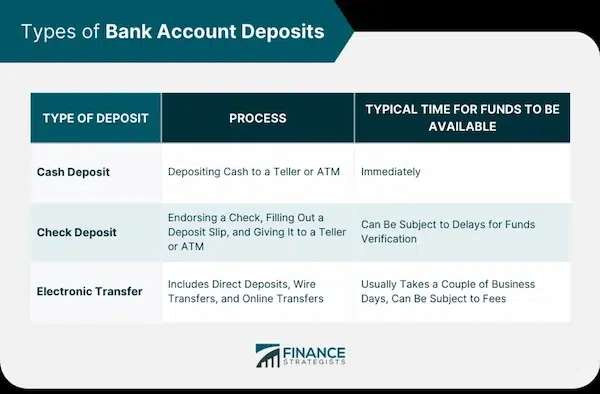
A security deposit is a sum of money paid by the tenant to the landlord at the beginning of the lease agreement. It serves as a form of insurance for the landlord in case the tenant causes any damage to the property or fails to fulfill their obligations. The security deposit is typically refundable, meaning that it will be returned to the tenant at the end of the lease term if there are no damages or outstanding payments. However, the landlord may deduct a portion of the deposit to cover any necessary repairs or unpaid rent.
Conditions for Refund
When it comes to receiving a refund of your security deposit, there are certain conditions that must be met. These conditions are outlined in the lease agreement and typically include the following:
- Proper notice: You must provide the landlord with proper notice of your intent to move out. This is usually a specific number of days before your lease ends.
- No outstanding rent: You must have paid all rent owed up until the end of your lease term.
- No damage beyond normal wear and tear: The property should be in good condition, with only minor wear and tear expected.
- Cleaning requirements: You may be required to clean the property thoroughly before moving out, including tasks such as carpet cleaning, appliance cleaning, and general tidying.
- Returning keys: You must return all keys to the landlord on or before the move-out date.
- Collecting belongings: Make sure to collect all your belongings from the property before you leave.
Cleaning and Repairs
Tenant’s Responsibility
When it comes to cleaning and repairs, tenants have certain responsibilities that they need to fulfill. These responsibilities include keeping the rental unit clean and in good condition, promptly reporting any damages or maintenance issues to the landlord, and ensuring that any repairs caused by their negligence are taken care of. It is important for tenants to understand that failing to fulfill these responsibilities can result in deductions from their security deposit.
Landlord’s Responsibility
The landlord is responsible for ensuring that the rental property is in good condition and meets all safety and health standards. This includes maintaining the structural integrity of the property, repairing any damages caused by normal wear and tear, and addressing any issues with plumbing, electrical systems, or appliances. Additionally, the landlord is responsible for handling any necessary repairs or maintenance tasks that are not the tenant’s responsibility. It is important for tenants to communicate any maintenance or repair needs to the landlord in a timely manner.
Final Inspection and Move-Out

Preparing for the Final Inspection
Before the final inspection, it is important to prepare your rental unit to ensure a smooth move-out process. Here are some key steps to follow:
Returning Keys and Collecting Belongings
Returning the keys and collecting your belongings is the final step in the moving out process. It is important to follow the proper procedures to ensure a smooth transition. When returning the keys, make sure to schedule a time with the landlord or property manager to hand them over. This will allow them to conduct a final inspection and assess any damages or repairs that may be needed. Additionally, gather all your belongings and ensure that nothing is left behind. Double-check each room, including closets and storage areas, to avoid leaving anything behind.
Conclusion
In conclusion, understanding the lease agreements and the process of moving out is essential for a smooth transition. By giving proper notice, taking care of cleaning and repairs, and following the final inspection guidelines, tenants can ensure a hassle-free move-out experience. It is important to familiarize oneself with the key terms in a lease agreement and the conditions for security deposit refunds. Remember, a well-prepared move-out can help maintain a positive relationship with the landlord and ensure a smooth return of the security deposit.
Frequently Asked Questions
1. Can I break my lease agreement before the end of the term?
Yes, but you may be required to pay a penalty or find a replacement tenant.
2. How much notice do I need to give before moving out?
The notice period is typically stated in your lease agreement, but it is commonly 30 days.
3. Can I get my security deposit back?
Yes, if you meet the conditions for refund and there are no damages or unpaid rent.
4. Who is responsible for repairs and maintenance?
The landlord is generally responsible for major repairs, while the tenant is responsible for minor repairs and maintenance.
5. What happens if I leave the rental property dirty?
The landlord may deduct cleaning fees from your security deposit.
6. Can the landlord enter the rental property without permission?
In most cases, the landlord must provide notice and obtain your consent before entering the property.
7. What should I do if I have a dispute with my landlord?
You should try to resolve the issue through communication first. If that fails, you can seek legal advice or mediation.
8. How do I return the keys and collect my belongings?
Arrange a time with the landlord for the final inspection and return of keys. Make sure to remove all personal belongings from the property.