Property tax is a form of tax that homeowners and property owners are required to pay on their properties. It is an essential source of revenue for local governments and is used to fund various public services and infrastructure projects. Understanding property tax payment is crucial for property owners to ensure compliance and avoid any potential penalties or consequences. In this guide, we will explore the definition of property tax, how it is calculated, different types of property tax, payment methods, exemptions and deductions, consequences of non-payment, payment deadlines, and assistance programs available. Here are the key takeaways:
Table of Contents
Key Takeaways
- Property tax is a form of tax that homeowners and property owners are required to pay on their properties.
- Property tax is used to fund various public services and infrastructure projects.
- Understanding property tax payment is crucial to ensure compliance and avoid penalties.
- There are different types of property tax, including residential, commercial, and vacant land property tax.
- Property tax payment can be made through various methods, such as online or in-person payment.
What is Property Tax?

Definition of Property Tax
Property tax is a form of tax that is levied on real estate properties, including residential homes, commercial buildings, and vacant land. It is an annual tax payment that property owners are required to pay to the local government. The amount of property tax is based on the assessed value of the property, which is determined by the local tax assessor. The purpose of property tax is to generate revenue for the local government to fund public services and infrastructure projects.
Purpose of Property Tax
The purpose of property tax is to generate revenue for local governments to fund essential services such as schools, roads, and public safety. Property tax is a major source of funding for these services and plays a crucial role in maintaining the infrastructure and quality of life in a community. It is important to note that property tax is not a voluntary payment but a mandatory obligation for property owners.
How Property Tax is Calculated
Property tax is calculated based on several factors, including the assessed value of the property, the tax rate set by the local government, and any exemptions or deductions that may apply. The assessed value is determined by the local tax assessor, who evaluates the property’s market value and applies the appropriate assessment ratio. The tax rate is typically expressed as a percentage of the assessed value and is set by the local government to generate revenue for public services and infrastructure.
To calculate the property tax, multiply the assessed value by the tax rate and apply any applicable exemptions or deductions. The resulting amount is the annual property tax liability. It’s important to note that property tax calculations can vary between jurisdictions, so it’s essential to consult the specific guidelines and regulations of your local government.
If you’re unsure about the property tax calculation process or need assistance, consider reaching out to a tax professional or your local government’s tax department. They can provide guidance and answer any questions you may have.
Understanding Property Tax Assessment
Assessment Process
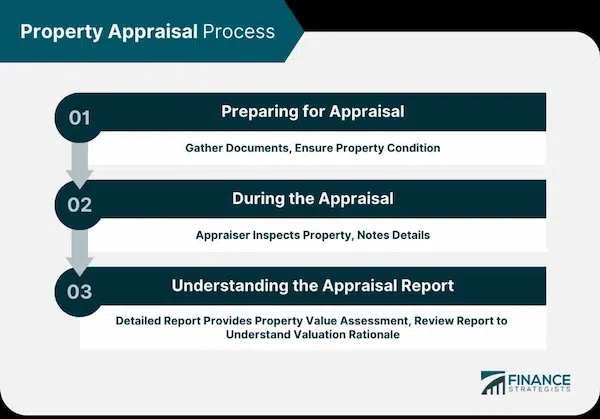
The assessment process is a crucial step in determining the value of a property for tax purposes. It involves evaluating various factors such as the property’s size, location, condition, and any improvements made. Assessors use this information to calculate the assessed value, which is used to determine the property tax amount. It is important for property owners to understand the assessment process to ensure they are being taxed fairly and accurately.
During the assessment process, assessors may also consider market trends and comparable properties in the area. This helps them determine the property’s market value, which is an important factor in the assessment. Property owners can request a copy of their assessment report to review the information used in determining their property’s value.
It is advisable for property owners to keep track of any improvements made to their property, as these can affect the assessed value. Making smart financial moves such as renovations or additions that increase the property’s value should be documented and reported to the assessor to ensure an accurate assessment.
Factors Affecting Property Tax Assessment
Property tax assessment is determined by several factors, including the location, size, and condition of the property. Other factors that may affect the assessment include the local market value of similar properties, the neighborhood, and the availability of amenities such as schools, parks, and public transportation. Additionally, the economic conditions of the area and any recent changes in property values can also impact the assessment.
It’s important to note that property tax assessments are conducted by local government authorities, such as the Detroit tax assessor’s office, and the specific factors considered may vary depending on the jurisdiction.
To better understand how property tax assessments are calculated in your area, it is recommended to contact your local tax assessor’s office or visit their website for more information.
Appealing Property Tax Assessment
When it comes to appealing property tax assessment, homeowners have the right to challenge the assessed value of their property. This can be done if they believe that the value assigned by the tax assessor is inaccurate or unfair. The process of appealing property tax assessment involves gathering evidence to support the homeowner’s claim. This evidence can include recent sales data of similar properties in the area, documentation of any property damage or structural issues, and retirement taxes calculator. It is important to note that appealing property tax assessment does not guarantee a reduction in property taxes, but it provides homeowners with an opportunity to present their case and potentially lower their tax burden. Homeowners should consult with a tax professional or seek legal advice to navigate the appeals process effectively.
Different Types of Property Tax

Residential Property Tax
Residential property tax is a type of property tax that is specifically levied on residential properties. It is important for homeowners to understand how residential property tax works and how it is calculated. One key aspect of residential property tax is the filing of Form 1099-A. This form is used to report the acquisition or abandonment of a property. Homeowners should ensure they are familiar with the process of filing Form 1099-A to avoid any penalties or complications.
Commercial Property Tax
Commercial property tax is a type of property tax that is levied on properties used for commercial purposes, such as office buildings, retail stores, and industrial facilities. The tax is based on the assessed value of the property and is used to fund local government services and infrastructure.
Commercial property owners are responsible for paying property tax on their properties. The amount of tax owed is determined by the assessed value of the property, which is determined by the local tax assessor. The assessed value is based on factors such as the size, location, and condition of the property.
Moving into a new apartment can be an exciting time, but it’s important to be aware of the property tax obligations that come with it. When you move into a new apartment, you may be responsible for paying property tax on the rental property. The amount of tax owed will depend on the assessed value of the property and the local tax rate.
Here are some key points to keep in mind regarding commercial property tax:
- Commercial property tax rates vary by location. Different cities and counties may have different tax rates.
- Commercial property owners may be eligible for tax incentives or exemptions. It’s important to research and understand the tax laws and regulations in your area.
- Property tax payments are typically due annually or semi-annually. It’s important to pay your property tax on time to avoid penalties and interest charges.
Note: The information provided here is for general informational purposes only and should not be considered legal or financial advice. It’s always recommended to consult with a professional tax advisor or attorney for specific guidance regarding your property tax obligations.
Vacant Land Property Tax
Vacant land property tax is a tax imposed on land that is not developed or used for any purpose. It is important for landowners to understand the implications of vacant land property tax and how it is calculated.
Factors Affecting Vacant Land Property Tax
The amount of vacant land property tax is determined by several factors, including:
- Size of the land
- Location of the land
- Zoning regulations
It is important to note that vacant land property tax rates may vary depending on the jurisdiction.
Tax Exemptions for Vacant Land
In some cases, landowners may be eligible for tax exemptions on vacant land. These exemptions are typically granted for land that is used for agricultural purposes or conservation. It is advisable for landowners to research and understand the eligibility criteria for these exemptions.
Tip: Landowners should consult with a tax professional or local tax authority to determine if they qualify for any vacant land tax exemptions.
Property Tax Payment Methods

Payment Options
When it comes to paying your property tax, you have several options available. Here are some of the most common methods:
- Online Payment: Many local governments offer the convenience of paying your property tax online. This allows you to make your payment from the comfort of your own home, saving you time and effort.
- In-Person Payment: If you prefer a more traditional approach, you can visit your local tax office to make your payment in person. This option allows you to speak with a representative and ask any questions you may have.
It’s important to choose the payment method that works best for you. Consider factors such as convenience, accessibility, and any associated fees. By selecting the right payment option, you can ensure a smooth and hassle-free property tax payment process.
Online Payment
Online payment is a convenient and efficient method for paying property taxes. With online payment, property owners can easily and securely make their tax payments from the comfort of their own homes. This method eliminates the need to visit a physical payment location or mail in a check. By utilizing online payment, property owners can save time and avoid potential delays in the payment process.
One of the key advantages of online payment is the ability to access and view property tax information online. Property owners can log into their accounts and view details such as the amount owed, due dates, and payment history. This provides transparency and allows property owners to stay informed about their tax obligations.
Additionally, online payment offers various payment options to accommodate different preferences. Property owners can choose to pay using a credit card, debit card, or electronic funds transfer. This flexibility makes it easier for property owners to manage their finances and choose the payment method that works best for them.
It is important to note that online payment systems are secure and protect sensitive financial information. Property owners can have peace of mind knowing that their payment details are encrypted and kept confidential.
In summary, online payment is a convenient, efficient, and secure method for paying property taxes. It offers property owners the flexibility to manage their payments online, access important tax information, and choose from various payment options.
In-Person Payment
In addition to online payment options, property owners also have the option to make their property tax payments in person. This method allows individuals to physically visit the tax office or designated payment location to submit their payment. Convenience is one of the main advantages of in-person payment, as it provides a face-to-face interaction and the opportunity to ask any questions directly to the tax office staff. Moreover, some property owners may prefer this method if they are not comfortable with online transactions or if they have specific concerns or inquiries regarding their property tax assessment or payment. It is important to note that in-person payment methods may vary depending on the jurisdiction, so individuals should check with their local tax office for specific instructions and accepted forms of payment.
Property Tax Exemptions and Deductions
Homestead Exemption
A homestead exemption is a property tax relief program that allows homeowners to reduce the assessed value of their primary residence for tax purposes. This exemption is available to homeowners who use their property as their primary residence and meet certain eligibility criteria. The purpose of the homestead exemption is to provide homeowners with a tax break and protect them from excessive property tax increases. The amount of the exemption varies depending on the state and local laws. Homeowners can apply for the homestead exemption through their local tax assessor’s office.
Senior Citizen Exemption
Senior citizens may be eligible for property tax exemptions as a way to provide financial relief. These exemptions are designed to help seniors who may be on a fixed income and have limited resources. The purpose of the senior citizen exemption is to ensure that older adults can afford to stay in their homes and maintain a secure living environment. Eligibility requirements for the exemption may vary depending on the jurisdiction, but generally, seniors must meet age and income criteria. Some states may also require seniors to have owned and occupied their home for a certain number of years. It’s important for seniors to research and understand the specific requirements in their area to determine if they qualify for the exemption.
- The senior citizen exemption provides financial relief for seniors.
- Eligibility requirements may vary depending on the jurisdiction.
- Research and understand the specific requirements in your area.
Veterans Exemption
The Veterans Exemption is a property tax benefit available to qualifying veterans. This exemption reduces the assessed value of a veteran’s property, resulting in a lower property tax bill. To qualify for the Veterans Exemption, veterans must meet certain eligibility criteria, such as having served in the military and being honorably discharged. The amount of the exemption varies depending on factors such as the veteran’s disability rating. It is important for veterans to apply for this exemption to take advantage of the potential tax savings. Additionally, some states may offer additional benefits for disabled veterans, such as exemptions for property upkeep costs.
Consequences of Non-Payment
Late Payment Penalties
Late payment of property taxes can result in penalties and interest being added to the amount owed. The specific penalties and interest rates vary depending on the jurisdiction. It is important to pay property taxes on time to avoid these additional charges.
In some cases, the penalties for late payment can be quite substantial. For example, a common penalty is a percentage of the unpaid taxes, which can increase over time. Additionally, interest may accrue daily on the outstanding balance.
To avoid late payment penalties, it is recommended to set reminders for property tax payment deadlines and ensure sufficient funds are available. Planning ahead and budgeting for property tax payments can help avoid financial strain and potential penalties.
If you are unable to pay your property taxes on time, it is important to contact the tax authority or seek professional advice to explore options such as installment plans or payment arrangements. Ignoring property tax payment obligations can lead to more severe consequences, including tax liens and foreclosure.
Tax Lien
A tax lien is a legal claim by the government on a property owner’s assets for unpaid property taxes. It is a serious consequence of non-payment and can have significant implications for property owners. When a tax lien is placed on a property, it gives the government the right to seize the property and sell it to recover the unpaid taxes. This can result in the loss of the property and can have a negative impact on the property owner’s credit rating. It is important for property owners to understand the consequences of a tax lien and take appropriate action to avoid it.
Foreclosure
Foreclosure is the legal process through which a lender takes possession of a property due to the homeowner’s failure to make mortgage payments. It is a serious consequence of non-payment and can have significant financial and legal implications. Rights of new owners may be affected during the foreclosure process, as they may need to vacate the property or negotiate with the lender. It is important for homeowners to understand the foreclosure process and their rights in order to protect their interests.
Property Tax Payment Deadlines

Annual Payment Deadlines
Property tax payments are due on specific dates throughout the year. These dates are known as annual payment deadlines and vary depending on the jurisdiction. It is important for property owners to be aware of these deadlines to avoid late payment penalties. Failure to pay property taxes on time can result in additional fees and interest charges. To ensure timely payment, property owners should mark these dates on their calendars and plan accordingly. It is also recommended to set up reminders or automatic payments to avoid any potential issues.
Quarterly Payment Deadlines
Property tax payments are typically due on a quarterly basis. This means that property owners are required to make payments four times a year. The specific deadlines for these payments vary depending on the jurisdiction. It is important for property owners to be aware of these deadlines and plan accordingly to avoid any late payment penalties. Failure to make timely payments can result in additional fees and potential consequences such as tax liens or foreclosure. It is recommended to mark these deadlines on your calendar or set reminders to ensure timely payment.
Late Payment Consequences
Late payment of property tax can have serious consequences. It is important to pay your property tax on time to avoid these consequences. Some of the consequences of late payment include penalties, interest charges, and potential legal action. These consequences can add up quickly and make it even more difficult to catch up on your payments. If you are struggling to make your property tax payment on time, it is important to reach out to your local tax office for assistance and to explore payment options.
Property Tax Payment Assistance Programs
Low-Income Assistance
Low-income homeowners may be eligible for financial assistance to help with their property tax payments. These assistance programs are designed to provide relief to individuals and families who may be struggling to afford their tax obligations. The eligibility criteria for these programs vary depending on the jurisdiction, but generally, applicants must meet certain income requirements to qualify.
One example of a low-income assistance program is the Property Tax Relief Program, which offers financial aid to eligible homeowners. This program provides a reduction in property taxes based on the homeowner’s income and property value. The amount of relief provided can vary depending on the individual’s circumstances.
It is important for low-income homeowners to explore these assistance programs and determine if they qualify. By taking advantage of these programs, homeowners can alleviate some of the financial burden associated with property tax payments and ensure they can continue to afford their homes.
Senior Citizen Assistance
Senior citizens may be eligible for various property tax assistance programs. These programs aim to provide financial relief to seniors who may be facing difficulties in paying their property taxes. Qualifying seniors can benefit from reduced tax rates, exemptions, or deferral options. The eligibility criteria for these programs may vary depending on the state or local government. It is important for seniors to research and understand the specific requirements and application process for each program in their area.
Some common senior citizen property tax assistance programs include:
- Senior Citizen Exemption: This program provides a partial or full exemption from property taxes for eligible seniors.
- Senior Citizen Assistance Fund: This fund offers financial assistance to seniors who are struggling to pay their property taxes.
- Property Tax Deferral: This program allows eligible seniors to defer their property tax payments until a later date, typically when the property is sold or transferred.
It is advisable for seniors to consult with a tax professional or contact their local tax assessor’s office to explore the available assistance programs and determine the best option for their individual circumstances.
Disability Assistance
Disability assistance programs provide financial support to individuals with disabilities who may struggle to pay their property taxes. These programs are designed to help alleviate the financial burden and ensure that disabled individuals can remain in their homes. The eligibility criteria for disability assistance programs vary by state, but generally, individuals must meet certain income and disability requirements. Some states may also consider factors such as age and homeownership status. It is important to note that disability assistance programs are not available in all states, so it is crucial to check with your local government or tax authority for information on the availability of such programs in your area.
Conclusion
In conclusion, understanding property tax payment is essential for homeowners and property owners. By familiarizing yourself with the different components of property tax, such as assessment, millage rate, and exemptions, you can better manage your finances and plan for the future. Remember to research and consult with professionals to ensure you are taking advantage of any available tax benefits or deductions. Property tax payment may seem complex, but with the right knowledge and resources, you can navigate the process with confidence.
Frequently Asked Questions
How often do I need to pay property tax?
Property tax is typically paid annually, but in some cases, it may be paid quarterly or semi-annually depending on the local tax laws.
What happens if I don’t pay my property tax?
If you don’t pay your property tax, you may incur late payment penalties, and in extreme cases, your property may be subject to tax liens or foreclosure.
Can I appeal my property tax assessment?
Yes, you can appeal your property tax assessment if you believe it is inaccurate. The process for appealing varies by jurisdiction.
Are there any exemptions or deductions available for property tax?
Yes, there are various exemptions and deductions available for property tax, such as homestead exemption, senior citizen exemption, and veterans exemption.
What are the different payment methods for property tax?
Property tax can be paid through various methods, including online payment, in-person payment at the tax office, or by mail.
Is there any financial assistance available for property tax payment?
Yes, there are property tax payment assistance programs available for low-income individuals, senior citizens, and people with disabilities.
How is property tax calculated?
Property tax is calculated based on the assessed value of the property and the applicable tax rate set by the local government.
Can property tax be deducted on my income tax return?
In some jurisdictions, property tax can be deducted on your income tax return. It is recommended to consult with a tax professional for advice on your specific situation.