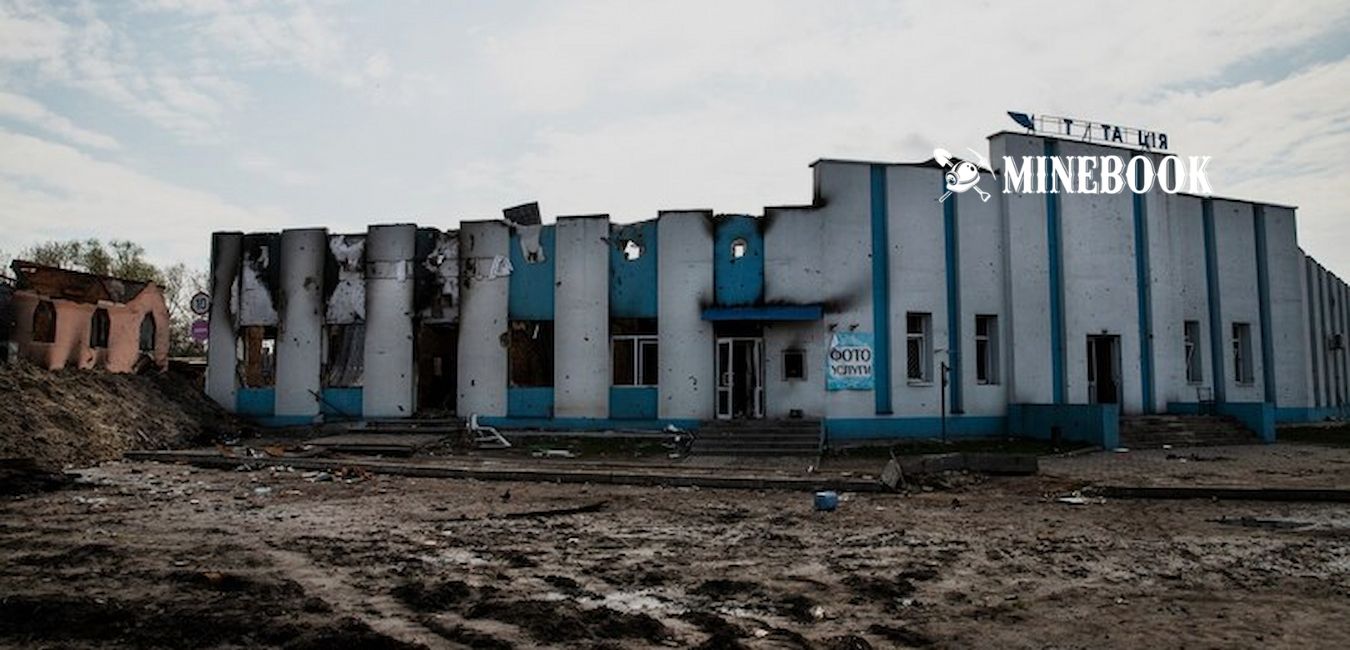
In times of war, the housing market experiences significant fluctuations and challenges. This article explores the dynamics of the housing market during periods of war, focusing on the impact on housing prices, supply and demand, migration patterns, government policies, and the process of rebuilding and rehabilitating housing after the war. Understanding these dynamics is crucial for policymakers, economists, and individuals involved in the housing sector to make informed decisions and mitigate the negative effects of war on the housing market.
Table of Contents
Key Takeaways
- Housing prices tend to decrease during times of war due to economic uncertainty and decreased demand.
- War disrupts the housing supply chain, leading to shortages and increased construction costs.
- War-induced migration affects the housing market by creating imbalances in supply and demand in different regions.
- Government policies play a crucial role in stabilizing the housing market during times of war.
- After the war, the process of rebuilding and rehabilitating housing is essential for restoring stability and meeting the increased demand.
The Impact of War on Housing Prices
Case Study: Housing Market during World War II
During World War II, the housing market experienced significant changes. The demand for housing increased due to the influx of soldiers and war workers, while the supply of housing decreased as resources were diverted towards the war effort. As a result, housing prices soared, making it difficult for many people to afford a home. The war also led to a shift in housing preferences, with smaller and more affordable homes becoming more popular.
Effects of War on Housing Supply and Demand
During times of war, the housing market experiences significant disruptions in both supply and demand. The destruction caused by war often leads to a decrease in the availability of housing units, as buildings are damaged or destroyed. This reduction in supply can result in a scarcity of housing options for individuals and families. Additionally, the uncertainty and instability brought about by war can dampen the demand for housing, as people may be hesitant to invest in property or make long-term commitments. As a result, the housing market becomes imbalanced, with limited supply and reduced demand.
War-Induced Migration and Housing Market
War-induced migration has a significant impact on the housing market. During times of war, people are forced to leave their homes and seek refuge in safer areas. This mass movement of people creates a surge in demand for housing in the receiving regions, leading to an increase in property prices. The influx of displaced individuals puts pressure on the existing housing stock, resulting in a shortage of available homes. As a result, property worth has a tendency to rise due to the limited supply and high demand.
Government Policies and Housing Market Stability
Government policies play a crucial role in maintaining stability in the housing market during times of war. These policies are designed to address the challenges and disruptions caused by the conflict and ensure that the housing market continues to function as smoothly as possible. One important aspect of government policies is the regulation of the house rental process. By implementing measures to protect both landlords and tenants, the government can help maintain a stable rental market.
Conclusion
In conclusion, the housing market dynamics during times of war are complex and multifaceted. War has a significant impact on housing prices, as seen in the case study of the housing market during World War II. The disruption caused by war affects both the supply and demand of housing, leading to fluctuations in prices. Additionally, war-induced migration further complicates the housing market, as displaced individuals seek shelter in new areas. Government policies play a crucial role in maintaining housing market stability during times of war. Measures such as regulating rents and providing subsidies can help mitigate the negative effects of war on housing. Furthermore, the process of rebuilding and rehabilitating housing after war is essential for restoring stability and meeting the housing needs of the population. Understanding the dynamics of the housing market in times of war is crucial for policymakers and stakeholders to develop effective strategies for ensuring housing security and stability in such challenging times.
Frequently Asked Questions
How does war affect housing prices?
War can have a significant impact on housing prices, with prices often dropping during times of conflict due to decreased demand and economic instability.
Did housing prices decrease during World War II?
Yes, housing prices generally decreased during World War II due to the economic disruptions and reduced demand caused by the war.
What happens to housing supply and demand during war?
During war, housing supply may decrease due to damage and destruction, while demand may also decrease as people prioritize other necessities and may be displaced from their homes.
Does war lead to migration and impact the housing market?
Yes, war often leads to forced migration as people flee conflict zones. This can impact the housing market by increasing demand in certain areas and decreasing it in others.
How do government policies affect the stability of the housing market during war?
Government policies can play a crucial role in maintaining stability in the housing market during war. Measures such as rent control, subsidies for housing construction, and support for displaced individuals can help mitigate disruptions.
What happens to housing after a war ends?
After a war ends, there is often a need for extensive rebuilding and rehabilitation of housing. This can create opportunities for economic growth and investment in the housing sector.
Are there any long-term effects on the housing market after a war?
Yes, the effects of war on the housing market can be long-lasting. It may take years or even decades for the market to fully recover, and the scars of war can continue to impact housing prices and availability.
How can the housing market be stabilized during times of war?
Stabilizing the housing market during war requires a combination of government intervention, investment in infrastructure, and support for displaced individuals. Additionally, international aid and cooperation can play a crucial role in rebuilding and stabilizing the housing sector.