Imagine this: you own a piece of property, a blank canvas of potential nestled in the urban sprawl or the tranquil countryside. But how much is it really worth? Not just as a home or a plot of land, but as a developer’s goldmine.
The burning question, “How much is my property worth to a developer” often leaves property owners perplexed and curious.
This question can be a gateway to untapped wealth and opportunities. Let’s unravel this mystery together, exploring the factors that could transform your property into a lucrative investment for developers.
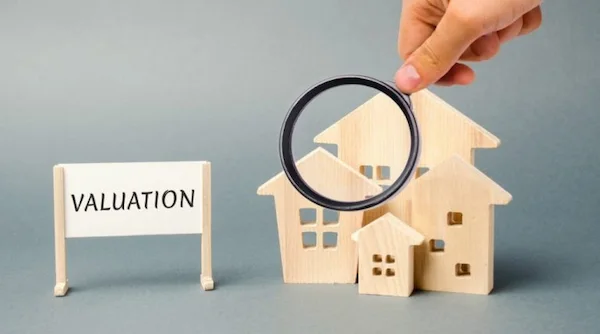
Is the question “How much is my property worth to a developer” running through your mind? Its value relies on location, size, zoning, development potential, and market demand. Valuation methods like sales comparison, income capitalization, and the cost approach are crucial.
Market analysis is essential, offering insights into property valuation, and influencing market conditions and trends. Understanding these can help determine your property’s worth to a developer.
Table of Contents
Factors Influencing Property Valuation
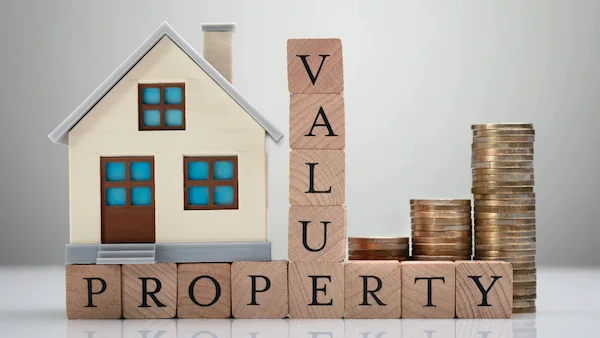
There are 5 key factors that could make your property a treasure chest in the eyes of a developer. These include location, size, zoning, development potential, and market demand. Now, let’s dive deeper into these factors.
Location
Location, location, location! It’s the golden rule in real estate. If your property is in a prime spot, close to amenities, transportation, and commercial areas, then it’s going to be a gem for developers. They’re always hunting for locations that attract tenants and buyers. So, the better the location, the higher your property’s worth to a developer.
Size
The size of your property is another huge factor. A larger plot often means more space to build, which potentially results in more profit for a developer. However, it’s not just about raw square footage. The shape and topography of the plot can also influence its development potential and, therefore, its value.
Zoning
Zoning rules dictate what can be built on a property. Is your property zoned for residential, commercial, or mixed-use? If zoning laws allow for higher-density development, like an apartment building, then your property could be worth more to a developer compared to a property zoned for single-family homes.
Development Potential
Development potential refers to what can be feasibly constructed on your land. For instance, a flat piece of land might be more valuable because it’s easier to build on, compared to a sloped one. Also, the presence of utilities like electricity, water, and sewer systems can increase the attractiveness of your property to developers.
Market Demand
Last but not least, market demand plays a crucial role. If there’s high demand for housing or commercial spaces in your area, a developer will likely be willing to pay more for your property.
Conversely, if demand is low, your property’s worth to a developer might be reduced. Staying informed about local real estate trends can help you assess this factor.
Valuation Methods
To figure out “how much is my property worth to a developer”, you need to understand the valuation methods developers use. These methods include sales comparison, income capitalization, and the cost approach. Each provides a different perspective on your property’s value, helping to build a comprehensive picture of its worth.
Sales Comparison
The sales comparison method involves comparing your property with similar properties that have been recently sold in the same area. By assessing these comparables, developers can estimate the market value of your property.
They will adjust the value based on unique features or circumstances, making this method highly adaptable to individual properties.
Income Capitalization
The income capitalization method is used when the property has the potential for income generation, like rental units or commercial spaces.
Developers calculate the net income your property can produce and then use this figure to estimate its value. This approach gives a snapshot of the potential return on investment a developer can expect.
Cost Approach
The cost approach method considers the cost to build a similar property from scratch today, subtracting any depreciation. In this approach, developers look at the cost of land and the cost of construction, providing an estimate of how much they’d need to invest to create a similar property. This method is particularly useful for new developments or unique properties.
Factors Increasing Property Value
Boosting your property’s worth isn’t just about understanding its current value—it’s also about knowing what can make it more attractive to developers. Factors like proximity to amenities and transportation, favorable zoning and development potential, and the availability of utilities and infrastructure can significantly increase your property’s value. Let’s delve into these 3 aspects further.
Proximity To Amenities And Transportation
Properties close to schools, parks, shopping centers, and public transportation are more desirable to developers. These features increase the liveability of the area, making it more attractive to potential buyers or tenants. So, if your property is well-located, its value could rise significantly.
Favorable Zoning And Development Potential
If your property is zoned for high-density residential or commercial use, it could attract a higher price tag. Also, the flexibility to rezone could add to its appeal.
Developers often look for properties with high development potential, meaning they can build more units and potentially gain more profit.
Availability Of Utilities And Infrastructure
Having utilities such as water, electricity, and sewerage systems already connected can greatly enhance your property’s value. Similarly, properties with good access to roads and other infrastructure can be more appealing.
These features reduce the development costs and make the construction process smoother, making your property a more attractive proposition to real estate developers.
Factors Decreasing Property Value
While certain elements can enhance your property’s worth, others might decrease its appeal to developers. Environmental concerns, land use restrictions, and undesirable proximity or lack of amenities can negatively affect your property’s value. Let’s shed some light on these 5 factors.
Environmental Concerns
Developers often steer clear of properties with environmental issues such as soil contamination, flood risks, or protected wildlife habitats. These concerns can increase development costs, delay projects, and even attract negative publicity, which can reduce your property’s appeal to developers.
Land Use Restrictions
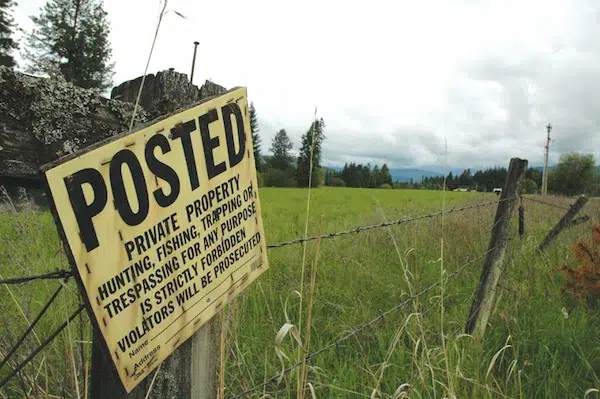
Restrictions on land use can also devalue your property. These restrictions might limit what can be built, the height of buildings, or the number of units per acre. The more constraints there are, the less attractive your property might be to a developer, as they limit the potential return on investment.
Undesirable Proximity Or Lack Of Amenities
A property located too far from amenities, in a high-crime area, or near nuisances like factories or busy highways, can see its value decrease. Developers look for locations that will attract tenants and buyers. If your property lacks these attractive features or is located in an undesirable area, it may be less valuable to developers.
Limited Utility Access
Limited access to utilities can also decrease your property’s value. If your land lacks easy connections to utilities like water, electricity, or sewerage, it can discourage developers.
These missing connections mean additional costs and complications in the development process, which could make your property less attractive.
Market Saturation
Market saturation is another factor that can dampen your property’s appeal. If there’s an oversupply of similar properties or developments in your area, it could lessen demand, making it more difficult to sell or rent the completed development.
A saturated market can lower the potential return on investment, making your property less enticing to developers.
Role Of Market Analysis
A successful property transaction is heavily reliant on a thorough market analysis. It is an essential tool for understanding property value and predicting future trends. Let’s unpack the importance of market analysis for valuation and its impact on market conditions and trends.
Importance Of Market Analysis For Valuation
Market analysis is a vital step in property valuation. It involves studying local property values, current market trends, and potential future developments. This analysis provides a solid base for determining a realistic and competitive value for your property.
By understanding the market, you can make informed decisions about when to sell and how much to expect from a developer.
Impact Of Market Conditions And Trends
Market conditions and trends significantly impact property values. For instance, in a seller’s market where demand is high, your property could attract higher offers. Conversely, in a buyer’s market with a high supply, you might need to lower your expectations.
Similarly, market trends such as urbanization, gentrification, or shifts towards remote work can affect how desirable your property is to developers. By keeping a close eye on these factors, you can time your sale to coincide with favorable market conditions and trends.
FAQs
1. What Factors Do Developers Consider When Valuing A Property?
Developers value properties based on factors like location, size, zoning, and development potential. Additionally, market demand plays a significant role. They apply valuation methods such as sales comparison, income capitalization, and the cost approach to derive the property’s worth.
2. How Does Location Affect A Property’s Value To Developers?
Location heavily influences a property’s value to developers. Properties close to amenities, such as schools, parks, shopping centers, and public transportation, are highly attractive. Such locations boost the area’s livability, drawing potential buyers or tenants, thereby increasing the property’s value.
Conclusion
Now that we’ve journeyed through the world of property valuation, you are armed with the knowledge to unlock your property’s potential. Remember, it’s not just about ‘location, location, location’, but also size, zoning, development potential, and market demand.
Understand these factors, keep an eye on market trends, and be aware of the valuation methods. Don’t let your property be a hidden treasure.
Shine a light on its true worth and seize the opportunity that could transform your asset into a developer’s dream. After all, your property might just be worth more than you think!