The landlord-tenant relationship is a crucial aspect of renting a property. Both parties must work together to ensure a smooth and successful rental experience. This comprehensive guide provides insights into building trust and communication, setting clear expectations, resolving conflicts, maintaining the property, and understanding legal rights and responsibilities. By understanding these key elements, both landlords and tenants can navigate the rental process with confidence.
Table of Contents
Key Takeaways
- Building trust and open communication is essential for a strong landlord-tenant relationship.
- Setting clear expectations from the beginning helps avoid misunderstandings and conflicts.
- Resolving conflicts promptly and amicably is crucial for maintaining a healthy rental relationship.
- Regular property maintenance ensures a safe and comfortable living environment for tenants.
- Understanding the legal rights and responsibilities of both landlords and tenants is vital for a successful rental experience.
The Importance of a Strong Landlord-Tenant Relationship

Building Trust and Communication
Establishing a strong trust between landlords and tenants is crucial for a successful landlord-tenant relationship. Effective communication plays a key role in building this trust. Here are some important points to consider:
- Active listening: Actively listen to your tenants’ concerns and address them promptly.
- Regular updates: Keep your tenants informed about any changes or updates regarding the property.
- Prompt responses: Respond to tenant inquiries and requests in a timely manner.
- Clear expectations: Clearly communicate your expectations regarding rent payment, property maintenance, and any other relevant matters.
Tip: Building trust and maintaining open lines of communication can help prevent misunderstandings and conflicts in the future.
Setting Clear Expectations
Setting clear expectations is crucial in maintaining a strong landlord-tenant relationship. By clearly outlining the terms and conditions of the lease agreement, both parties can avoid misunderstandings and potential conflicts. It is important to discuss and agree upon key aspects such as rent payment due dates, maintenance responsibilities, and any specific rules or restrictions. Open and honest communication is key to ensuring a smooth and harmonious tenancy.
Resolving Conflict
Resolving conflicts between landlords and tenants is an essential part of maintaining a healthy landlord-tenant relationship. When conflicts arise, it is important to address them promptly and effectively to prevent further escalation. Here are some key steps to resolve conflicts:
- Open Communication: Encourage open and honest communication between both parties to understand each other’s perspectives and concerns.
- Active Listening: Actively listen to the other party’s grievances and concerns without interrupting or dismissing them.
- Mediation: Consider using a neutral third party, such as a mediator, to facilitate discussions and help find mutually agreeable solutions.
- Compromise: Encourage both parties to find common ground and be willing to compromise to reach a resolution.
- Document Everything: Keep a record of all communication, agreements, and actions taken during the conflict resolution process.
Remember, resolving conflicts in a fair and respectful manner is crucial for maintaining a positive landlord-tenant relationship.
Maintaining the Property
Regular maintenance of the rental property is crucial for both landlords and tenants. It helps ensure a safe and comfortable living environment and can prevent costly repairs in the future. Here are some key points to consider:
- Perform regular inspections: Conducting periodic inspections allows landlords to identify any maintenance issues early on and address them promptly.
- Address repairs promptly: Landlords should respond to repair requests in a timely manner to maintain the property’s condition and keep tenants satisfied.
- Provide clear guidelines: Landlords should provide tenants with clear guidelines on how to properly maintain the property, including instructions for basic tasks like cleaning and yard maintenance.
- Document maintenance activities: Keeping records of maintenance activities can help landlords track the property’s condition over time and provide evidence in case of disputes.
Remember, maintaining the property is a shared responsibility between landlords and tenants, and open communication is key to ensuring a well-maintained rental property.
Understanding Legal Rights and Responsibilities
Understanding the legal rights and responsibilities of both landlords and tenants is crucial for maintaining a harmonious landlord-tenant relationship. It helps to establish clear expectations and avoid potential conflicts. Here are some key points to keep in mind:
- Landlords have the right to provide a safe and habitable property for tenants. This includes ensuring that the property meets health and safety standards.
- Landlords are responsible for maintaining the property and making necessary repairs. They should address maintenance issues promptly to ensure the comfort and well-being of tenants.
- Respecting tenant privacy is an important responsibility for landlords. They should not enter the rental unit without proper notice, except in cases of emergency.
- Handling security deposits properly is essential. Landlords must follow the legal requirements for collecting, holding, and returning security deposits.
- Enforcing lease terms is necessary to maintain a fair and consistent rental environment. Landlords have the right to take appropriate action if tenants violate the terms of the lease agreement.
Key Elements of a Lease Agreement
Lease Terms and Conditions
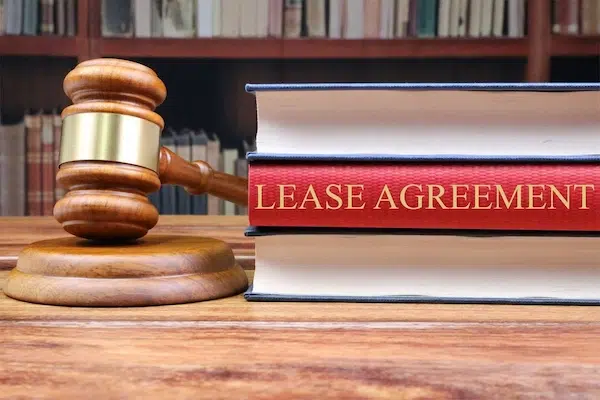
Lease terms and conditions are the legal agreements between a landlord and tenant that outline the rights and responsibilities of each party. These terms and conditions are crucial for establishing a clear understanding of the rental arrangement. They cover important aspects such as the duration of the lease, rent amount and payment schedule, rules regarding pets and smoking, and any restrictions on property use. It is essential for both landlords and tenants to carefully review and understand these terms before signing the lease agreement.
Rent Payment and Late Fees
Rent payment is a crucial aspect of the landlord-tenant relationship. It is important for tenants to understand the terms and conditions related to rent payment and late fees. Here are some key points to keep in mind:
- Rent should be paid on time as specified in the lease agreement.
- Late fees may be charged if rent is not paid by the due date.
- The amount of late fees should be clearly stated in the lease agreement.
- It is the tenant’s responsibility to ensure timely payment of rent.
- If there are any issues or difficulties in making the rent payment, it is important to communicate with the landlord as soon as possible.
Remember, rent payment is a legal obligation and failure to pay rent on time may result in consequences such as eviction.
Security Deposits
When it comes to security deposits, both landlords and tenants have specific rights and responsibilities. Landlords are responsible for handling security deposits in accordance with local laws and regulations. They must document the condition of the property before the tenant moves in and provide a written itemized list of any deductions made from the deposit at the end of the tenancy. On the other hand, tenants are responsible for paying the security deposit as outlined in the lease agreement and taking care of the property to ensure its return in good condition. It is important for both parties to understand the rules and regulations surrounding security deposits to avoid any disputes or misunderstandings.
Maintenance and Repairs
Maintenance and repairs are essential for ensuring the property remains in good condition and addressing any issues that may arise. Landlords have a responsibility to promptly respond to maintenance requests and address any necessary repairs. It is important for tenants to report any maintenance issues as soon as they are noticed to prevent further damage. Regular maintenance can help prevent costly repairs in the future. Landlords may also choose to schedule routine inspections to identify and address any maintenance needs. Additionally, tenants should be aware of their responsibility to keep the property clean and in good condition.
Termination and Renewal
When it comes to termination and renewal of a lease agreement, both parties need to be aware of their rights and responsibilities. It is important to carefully review the terms and conditions outlined in the lease agreement to understand the process and requirements for termination and renewal. Here are some key points to consider:
- Notice Period: The lease agreement may specify a notice period that both the landlord and tenant must adhere to when terminating or renewing the lease.
- Renewal Options: The lease agreement may include provisions for renewal options, allowing the tenant to extend the lease for a specified period of time.
- Negotiation: If the tenant wishes to renew the lease, they may have the opportunity to negotiate new terms and conditions with the landlord.
It is important for both parties to communicate effectively and address any concerns or questions regarding termination and renewal. By understanding the process and following the terms outlined in the lease agreement, both the landlord and tenant can ensure a smooth transition.
Tenant Screening and Selection Process

Advertising and Marketing
Effective advertising and marketing strategies are crucial for attracting potential tenants and filling vacancies. By utilizing various channels and platforms, landlords can reach a wider audience and increase the visibility of their rental properties. Targeted online advertisements can be used to showcase the unique features and benefits of the property, while professional photography can enhance the visual appeal. Additionally, virtual tours and detailed property descriptions can provide a comprehensive view of the rental unit. It is important to highlight the key selling points, such as the location, amenities, and any special offers or incentives. By leveraging these strategies, landlords can maximize their exposure and increase the chances of finding suitable tenants.
Application and Background Checks
During the tenant screening process, one crucial step is conducting thorough application and background checks. These checks help landlords assess the suitability of potential tenants and minimize the risk of problematic tenancies. By verifying information provided by applicants and conducting background checks, landlords can make informed decisions about who to rent their property to. It is important to ensure that the screening process complies with fair housing laws and regulations to avoid discrimination.
Interviewing Potential Tenants
When it comes to interviewing potential tenants, it is important to ask the right questions and gather relevant information to make an informed decision. This step is crucial in ensuring that you find tenants who are responsible, reliable, and a good fit for your property. Here are some key points to consider:
Reference Checks
Reference checks are an essential part of the tenant screening process. They provide valuable insights into a potential tenant’s past behavior and reliability. By contacting previous landlords, employers, and personal references, landlords can gather information about the tenant’s rental history, employment stability, and character. Physicians can be particularly helpful references as they can provide insights into the tenant’s financial stability and responsibility. It is important to ask specific questions about the tenant’s payment history, maintenance of the property, and adherence to lease terms. Reference checks help landlords make informed decisions and ensure they are selecting tenants who are trustworthy and responsible.
Making the Final Decision
After conducting thorough tenant screening and evaluating all the necessary information, it is time to make the final decision on selecting a tenant. This decision should be based on a combination of factors, including the applicant’s credit history, income stability, and rental references. It is important to consider the applicant’s ability to pay rent on time and their overall suitability as a tenant. Once the decision is made, it is crucial to notify the chosen tenant promptly and provide them with the necessary lease agreement and move-in details.
Rights and Responsibilities of Landlords
Providing a Safe and Habitable Property
Ensuring the safety and livability of the rental property is a crucial responsibility of the landlord. This includes complying with Alaska Landlord Tenant Laws and maintaining the property in good condition. Here are some key points to consider:
- Regular inspections and maintenance to address any safety hazards or repairs.
- Promptly addressing tenant complaints or concerns regarding safety or livability.
- Providing proper security measures, such as functioning locks and well-lit common areas.
- Ensuring the property meets all health and safety codes and regulations.
It is important for landlords to familiarize themselves with Alaska Landlord Tenant Laws to understand their obligations and ensure the property is safe and habitable for tenants.
Maintaining Property Standards
Maintaining property standards is crucial for landlords to ensure the safety and satisfaction of their tenants. It involves regular inspections and necessary repairs to keep the property in good condition. Landlords should also address any issues promptly to prevent further damage and maintain a positive living environment. Additionally, landlords should comply with public health and safety regulations to protect the well-being of their tenants.
Respecting Tenant Privacy
Respecting tenant privacy is a crucial aspect of maintaining a positive and respectful landlord-tenant relationship. Landlords should prioritize the privacy of their tenants and ensure that their personal information is kept confidential. Here are some key points to consider when it comes to respecting tenant privacy:
Handling Security Deposits
Handling security deposits is an important aspect of the landlord-tenant relationship. It involves the proper collection, storage, and return of the tenant’s deposit at the end of the lease term. Landlords must adhere to legalities regarding security deposits to avoid legal disputes and ensure a fair process for both parties.
Enforcing Lease Terms
Enforcing lease terms is a crucial aspect of the landlord-tenant relationship. It ensures that both parties fulfill their obligations and protects the rights of both the landlord and the tenant. When lease terms are not enforced, it can lead to misunderstandings, disputes, and even legal issues. To effectively enforce lease terms, landlords should:
Rights and Responsibilities of Tenants
Paying Rent on Time
Paying rent on time is a crucial responsibility for tenants. It ensures a smooth and harmonious landlord-tenant relationship. Failure to pay rent on time can lead to financial penalties and strained relations with the landlord. To enhance the payment process, tenants can set up automatic payments or reminders to avoid missing deadlines. Open communication with the landlord regarding any potential issues or delays can also help maintain a positive relationship. Additionally, tenants should keep track of their payment history and retain receipts or proof of payment for reference.
Reporting Maintenance Issues
When it comes to reporting maintenance issues, tenants play a crucial role in ensuring the property remains in good condition. Promptly reporting any problems or concerns to the landlord or property management is essential for timely repairs and maintenance. By promptly reporting maintenance issues, tenants can prevent further damage and ensure a safe and comfortable living environment. It is important for tenants to provide detailed information about the issue, including the location and nature of the problem, to assist the landlord or property management in addressing the issue effectively.
Respecting Property and Neighbors
Respecting the property and neighbors is an essential aspect of being a responsible tenant. It is important to maintain a clean and tidy living space to ensure the property remains in good condition. Being considerate of noise levels and avoiding disruptive behavior is crucial in maintaining a harmonious relationship with neighbors. Additionally, following any community rules or guidelines set by the landlord or homeowners association is necessary to promote a peaceful living environment.
Giving Notice to Vacate
When it comes time to move out of a rental property, tenants are required to give notice to their landlord. This notice period is typically outlined in the lease agreement and can vary depending on local laws and the terms of the lease. Giving proper notice is important to ensure a smooth transition and avoid any potential legal issues. Here are some key points to keep in mind when giving notice to vacate:
Following Lease Terms
Tenants are expected to adhere to the terms and conditions outlined in the lease agreement. Failure to comply with these terms may result in penalties or legal consequences. It is important for tenants to understand their obligations and responsibilities to maintain a harmonious landlord-tenant relationship. Here are some key points to keep in mind when following lease terms:
Conclusion
In conclusion, a strong landlord-tenant relationship is crucial for a successful rental experience. Building trust and communication, setting clear expectations, and resolving conflicts are key elements in maintaining a harmonious relationship. Both landlords and tenants have rights and responsibilities that should be understood and respected. A well-drafted lease agreement that covers important aspects such as lease terms, rent payment, and maintenance is essential. Additionally, the tenant screening and selection process plays a vital role in ensuring responsible and reliable tenants. By adhering to these principles, both landlords and tenants can create a positive and mutually beneficial relationship that promotes a safe and comfortable living environment. Understanding and respecting each other’s roles and obligations is the foundation for a successful landlord-tenant relationship.
Frequently Asked Questions
What should I do if my landlord doesn’t respond to maintenance requests?
If your landlord doesn’t respond to maintenance requests, you should document the issue and send a written request. If the landlord still doesn’t address the problem, you may need to contact local authorities or seek legal advice.
Can my landlord increase the rent during my lease term?
In most cases, landlords can only increase the rent at the end of the lease term. However, there may be exceptions depending on local rent control laws or specific lease agreements.
What rights do I have as a tenant regarding privacy?
As a tenant, you have the right to privacy in your rented property. Your landlord cannot enter your unit without proper notice, except in emergency situations.
Can my landlord evict me without a valid reason?
Landlords can typically only evict tenants for valid reasons, such as non-payment of rent, violating lease terms, or causing significant damage to the property. However, eviction laws vary by jurisdiction.
What should I do if I want to terminate my lease early?
If you want to terminate your lease early, you should review your lease agreement for any provisions regarding early termination. You may need to provide notice to your landlord and potentially pay a fee or fulfill certain conditions.
What can I do if my landlord refuses to return my security deposit?
If your landlord refuses to return your security deposit without a valid reason, you may need to take legal action. Check your local laws regarding security deposits and consider consulting with a lawyer.
What are my rights as a tenant if the property becomes uninhabitable?
If the property becomes uninhabitable due to major repairs or unsafe conditions, you may have the right to withhold rent, terminate the lease, or seek legal remedies. Contact your local housing authority for guidance.
Can my landlord enter my rental unit without notice?
In most cases, your landlord cannot enter your rental unit without proper notice, except in emergency situations. The specific notice requirements may vary depending on local laws and lease agreements.