Are you captivated by the graceful sway of trees? Imagine renting a beautiful property with towering trees providing shade and tranquility. But who shoulders the responsibility for these majestic trees? Should you care for them or is it the landlord’s duty?
Join us in unraveling this perplexing question and shedding light on the responsibilities surrounding trees in rented properties. Discover the secrets beneath the branches and leaves, gaining a deeper understanding of your rights and obligations in this leafy landscape. Let’s demystify who is responsible for trees in a rented property together!
Who is responsible for trees in a rented property? Landlords are typically responsible for tree care in rental properties, including pruning, hazardous branch removal, and addressing tree-related issues. Understanding your rights and obligations regarding trees is crucial. Discover more about tree responsibilities in rented properties here.
Table of Contents
Tenant Responsibilities
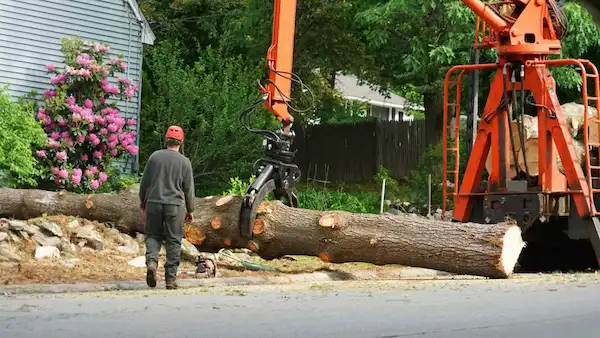
When it comes to deciding who is responsible for trees in a rented property, tenants have an essential part to play. They’re like the first line of defense, providing care and monitoring the trees’ health.
Basic Tree Care: Watering, Fertilizing, Pruning
As a tenant, your job is to maintain the basic health of the trees. This includes regular watering, especially in dry spells, to keep the trees hydrated. Applying fertilizers aids in promoting lush growth and strengthens the tree against pests and diseases.
Pruning is another key task. By trimming back overgrown branches, you not only maintain the tree’s shape but also its health, as proper airflow and sunlight reach all parts of the tree.
Reporting Tree Issues to the Landlord: Disease, Pests, Hazards
While tenants handle everyday care, spotting bigger issues is equally important. If you notice signs of disease, like discolored leaves or unusual growths, or evidence of pests, it’s crucial to inform your landlord promptly.
The same applies to potential hazards like dead branches or a leaning tree that could pose a threat to safety. After all, swift action can make the difference between saving a tree or losing it, and it also helps maintain a safe, pleasant living environment.
Landlord Responsibilities
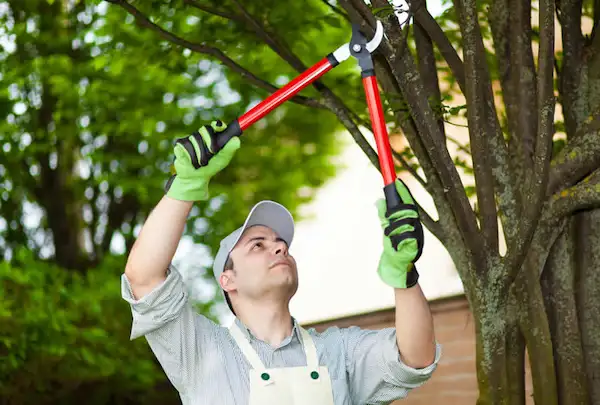
While tenants ensure the day-to-day tree care, landlords hold key responsibilities that involve deeper, more professional aspects of tree management. Such 3 responsibilities are:
Ensuring Tree Safety: Inspections, Addressing Hazards
Landlords have a vital role in ensuring tree safety. Regular tree inspections should be conducted to identify any potential hazards. This includes looking for unstable branches, signs of rot, or leaning trees.
Addressing these hazards swiftly is crucial to prevent accidents and maintain a safe living environment.
Professional Tree Maintenance: Assessments, Pruning, Removal
Some tasks go beyond the basic care tenants provide and require professional attention. Landlords should periodically arrange for professional assessments, especially for older or larger trees.
Professionals can conduct deeper pruning when necessary, and in some cases, if a tree is diseased or dying, they may need to handle the tree removal.
Compliance with Local Tree Regulations and Permits
Landlords also need to be aware of and comply with any local tree regulations. This might involve obtaining permits for pruning, removing, or planting trees.
Laws can vary by location, so understanding these regulations is vital to avoid potential fines and to ensure the trees on the property are being managed responsibly.
Clarifying Tree-related Terms in the Rental Agreement
To avoid confusion and conflict over who is responsible for trees in a rented property, clarity in the rental agreement is key.
Reviewing Lease for Tree Clauses
As a tenant or landlord, you should always review your lease carefully for any tree clauses. These can lay out specific duties related to tree care and maintenance. Knowing these details helps you understand your responsibilities and rights concerning tree management.
Negotiating Responsibilities during Lease Signing
If you’re just signing a lease, it’s the perfect time to negotiate tree responsibilities. Landlords and tenants can discuss and agree on who handles what, from basic watering to professional pruning. A clear understanding during lease signing can prevent disputes later on.
Seeking Legal Advice if Terms are Unclear
Lastly, if the lease’s tree-related terms are unclear or if disagreements arise, seeking legal advice can be beneficial. Legal professionals can clarify the language used in the lease and provide guidance on how to address any tree-related issues, ensuring both parties respect their responsibilities and maintain a healthy, harmonious living environment.
Read a related blog about the Best Cities for Real Estate Investment.
Resolving Tree-related Disputes

In the course of property rental, disagreements over tree responsibilities might crop up. Here are 3 ways to navigate these thorny issues.
Open Communication between Tenants and Landlords
Initially, fostering open dialogue can go a long way in preventing and solving disputes. Tenants should freely discuss their concerns with landlords, and landlords should approach these conversations with an open mind. A shared understanding can often be reached through simple, direct communication.
Mediation and Conflict Resolution Services
When initial discussions fail to reach a resolution, third-party mediation can be a valuable tool. Mediators or conflict resolution services can provide an impartial viewpoint, helping to clarify issues and propose solutions that all parties can agree on.
Legal Actions and Tenant’s Rights
In unresolved or severe disagreements, the final recourse might be legal action. During these times, understanding the legal rights of tenants and the obligations of landlords is key.
Legal advice should be sought to ensure fairness, adherence to local laws, and the appropriate course of action to resolve the dispute. It’s always better to prevent such situations, but it’s crucial to be prepared if they do arise.
You may be interested to know about What to Look for in an Investment Property.
FAQs
1. Who Maintains Trees in a Rented Property?
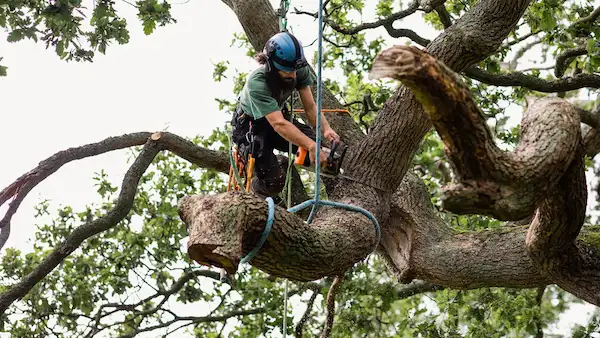
The maintenance of trees in a rented property typically involves both the landlord and the tenant. Basic tree care such as watering, fertilizing, and light pruning is often the tenant’s responsibility. On the other hand, the landlord is responsible for ensuring tree safety through inspections and addressing hazards, providing professional tree maintenance, and ensuring compliance with local tree regulations and permits.
2. What If There is a Tree Hazard on a Rented Property?
If a tree hazard is identified on a rented property, it should be promptly reported to the landlord. The landlord is typically responsible for addressing such hazards, which may include unstable branches, signs of rot, or leaning trees. Landlords may hire professional services to deal with these hazards to ensure safety.
3. Can Landlords Assign Tree Care Duties to Tenants?
Yes, landlords can assign basic tree care duties to tenants, such as watering, fertilizing, and pruning. However, this should be explicitly stated in the rental agreement to avoid confusion or disputes. Any significant tasks requiring professional skills, such as in-depth tree assessments or removal, typically remain the responsibility of the landlord.
Conclusion
The towering trees in your rented garden are more than just beautiful ornaments. They carry responsibilities, shared between tenants and landlords, which ensure their good health and safety.
From daily watering to professional pruning, from spotting hazards to dealing with disputes, tree care can be quite a journey. Yet, it’s all worth it when you see those robust branches sway in the breeze and hear the rustle of vibrant leaves.
So, let’s not leave our trees in a tangle of confusion. By understanding and embracing our roles, we can enjoy the beauty and benefits of these natural wonders all year round.
Do you want to learn more about renting? Here’s a guide on Can You Rent An Apartment If You Own A Home. Enjoy reading!