
Renting an apartment can be a daunting process, especially if you have collections on your credit report. Collections are negative marks that indicate unpaid debts, and landlords often consider them when reviewing rental applications. However, having collections doesn’t necessarily mean you won’t be able to rent an apartment. This article explores the impact of collections on apartment rental applications and provides strategies for renting an apartment with collections.
Table of Contents
Key Takeaways
- Collections on your credit report can affect your chances of getting approved for an apartment rental.
- Landlords may consider collections as an indicator of financial responsibility and may be hesitant to rent to individuals with unpaid debts.
- It is important to understand the role of collections in the rental process and how they can impact your rental application.
- Contrary to common misconceptions, having collections does not automatically disqualify you from renting an apartment.
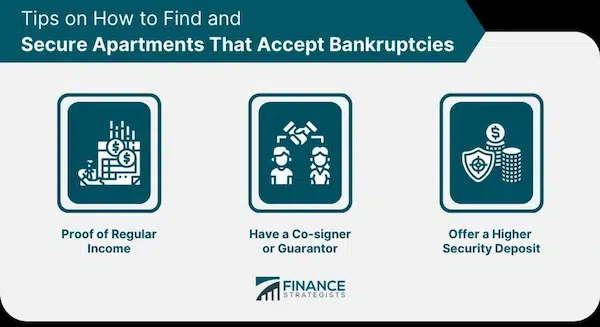
- Strategies for renting an apartment with collections include providing additional documentation, offering a higher security deposit, or finding a cosigner.
The Impact of Collections on Apartment Rental Applications
Understanding Collections
Collections refer to the unpaid debts that have been sent to a collection agency for recovery. These debts can include medical bills, credit card bills, utility bills, and more. When you fail to pay these debts on time, the creditor may choose to send them to a collection agency in an attempt to recover the money owed. Collections can have a significant impact on your credit score and financial history, which can affect various aspects of your life, including renting an apartment.
The Role of Collections in the Rental Process
Collections can play a significant role in the rental process. Landlords and property managers often consider an applicant’s collections history as an indicator of their financial responsibility and ability to pay rent on time. While some landlords may be more lenient than others, having collections on your credit report can make it more challenging to secure an apartment.
Common Misconceptions about Collections
There are several common misconceptions about collections that can impact the rental process. It is important to understand these misconceptions and how they may affect your ability to rent an apartment. One common misconception is that having collections automatically disqualifies you from renting an apartment. However, this is not always the case. Landlords and property managers take a variety of factors into consideration when reviewing rental applications, and collections may not be the sole determining factor.
How Collections Affect Rental Approval
When it comes to rental approval, collections can have a significant impact on your application. Landlords and property management companies often consider collections as a red flag, indicating potential financial instability. However, it’s important to note that not all collections are viewed equally. Some landlords may be more lenient if the collections are medical bills or if they occurred several years ago. It’s crucial to understand how collections can affect your rental approval and what strategies you can employ to increase your chances of renting an apartment.
Strategies for Renting an Apartment with Collections
When it comes to renting an apartment with collections, there are several strategies you can employ to increase your chances of approval. Pricing strategies can be particularly effective in this situation. Here are some tips to help you navigate the rental process:
- Research rental prices in your desired area to ensure you are offering a competitive rate.
- Consider offering a higher security deposit to alleviate concerns about your collections.
- Provide additional references from previous landlords or employers to demonstrate your reliability.
Remember, while collections can impact your rental application, there are steps you can take to improve your chances of securing an apartment.
Conclusion
In conclusion, collections can have a significant impact on apartment rental applications. It is important to understand the role of collections in the rental process and dispel common misconceptions. While collections can affect rental approval, there are strategies that can be employed to increase the chances of renting an apartment with collections. It is crucial to be proactive, communicate with landlords, and provide additional documentation to demonstrate financial responsibility. Renting an apartment with collections is not impossible, but it requires careful planning and effort.
Frequently Asked Questions
Can I rent an apartment if I have collections on my credit report?
Yes, it is possible to rent an apartment with collections on your credit report. However, it may make the rental process more challenging.
Do all landlords check for collections?
Not all landlords check for collections, but many do. It is a common practice for landlords to review the credit history of potential tenants.
What are collections?
Collections are unpaid debts that have been sent to a collection agency. They can include medical bills, credit card debts, utility bills, and more.
Can I negotiate with a landlord if I have collections?
You can try to negotiate with a landlord if you have collections, but there is no guarantee that they will be willing to work with you. It depends on the landlord’s policies and preferences.
Will having collections on my credit report affect my rental application?
Having collections on your credit report can negatively impact your rental application. Landlords often consider it as a sign of financial irresponsibility.
How long do collections stay on my credit report?
Collections can stay on your credit report for up to seven years from the date of the initial delinquency. However, their impact on your credit score diminishes over time.
What can I do to improve my chances of renting an apartment with collections?
To improve your chances of renting an apartment with collections, you can offer to pay a higher security deposit, provide references from previous landlords, or demonstrate a stable source of income.
Should I disclose my collections to a potential landlord?
It is generally recommended to be honest and disclose your collections to a potential landlord. They may find out about them during the application process, and it is better to address them upfront.