
Renting out property can be a lucrative venture, but it also comes with various legal obligations and responsibilities. The question that often arises among property owners is, “Do you need real estate license to rent property?” In this article, we will explore the licensing requirements for property management and rental activities, exceptions to these requirements, the benefits of working with licensed professionals, the responsibilities of unlicensed owners, evolving regulations, and the consequences of operating without a license.
Table of Contents
Property Management Vs. Rental Activities
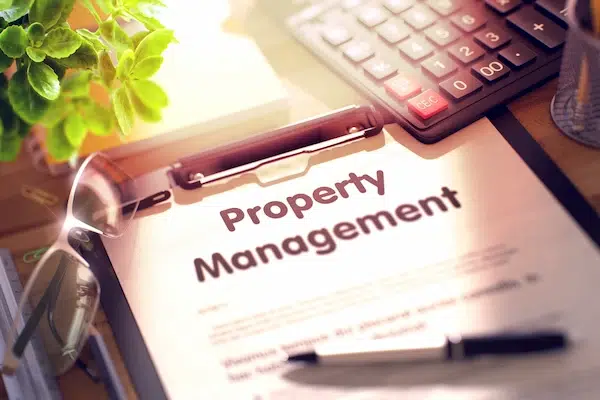
Property management and rental activities are often used interchangeably, but they have distinct differences when it comes to licensing requirements. Property management involves the day-to-day operations, maintenance, and leasing of rental properties on behalf of owners, while rental activities refer to the act of renting out property.
Many jurisdictions require property managers to hold a real estate license due to the fiduciary responsibilities involved in managing other people’s properties. On the other hand, renting out one’s own property may not always require a license. It is essential to familiarize yourself with the legal requirements specific to your jurisdiction. Some areas may have specific regulations that apply to property management or rental activities, regardless of whether a license is required.
Rental Activities Requiring License
If you’re considering renting out your property, you may have asked yourself, “Do you need real estate license to rent property?” While the licensing requirements vary by location, certain rental activities typically necessitate a real estate license. They are:
Third-Party Property Management
If you plan to manage rental properties on behalf of property owners for a fee or commission, a real estate license is usually required. Property management involves handling various tasks such as advertising vacancies, screening tenants, collecting rent, and coordinating maintenance and repairs. A license ensures that property managers have the knowledge and expertise to fulfill these responsibilities effectively.
Renting On Behalf Of Others
If you are involved in the rental process, such as finding tenants, negotiating lease agreements, or handling rent collections on behalf of property owners, a real estate license may be necessary. This requirement aims to protect the interests of property owners and ensure that individuals engaging in these activities have the necessary qualifications.
It is important to note that regulations may differ based on state laws, local ordinances, and the type of rental property involved. Therefore, it is essential to consult the appropriate local authorities or real estate regulatory bodies to determine the specific licensing requirements in your area.
You may be interested to know about Can a Landlord Show a House That You Are Renting.
Exceptions To Licensing Requirements
While many rental activities require a real estate license, there are exceptions to licensing requirements in certain situations. Here are 3 common exceptions to licensing requirements for rental activities:
Self-Managed Rentals
If you are personally managing your own rental property without providing property management services to others for compensation, you may not need a real estate license. This exception recognizes the rights of property owners to manage their own properties without requiring a professional license.
Personal Residential Property
In many jurisdictions, renting out your primary residence or a limited number of personal residential properties may not require a real estate license. This exception acknowledges that homeowners often rent out their own properties as a means of income or temporary relocation without the need for professional licensing.
Limited Units Or Properties
Some jurisdictions have thresholds for the number of units or properties an individual can rent out without needing a real estate license. For example, you may be exempt from licensing requirements if you own and rent out a small number of units, such as a duplex or triplex. Once you exceed the specified limit, licensing requirements may come into effect.
Benefits Of Working With Licensed Professionals

Working with licensed professionals in the real estate industry can offer numerous benefits when it comes to managing rental properties. Here are the 3 major advantages of collaborating with licensed professionals:
Legal Knowledge And Best Practices
Licensed professionals possess a deep understanding of real estate laws, regulations, and best practices. They stay updated with the latest changes in the industry and can guide you in complying with local, state, and federal laws. This knowledge helps minimize legal risks and ensures that your rental activities are conducted within the boundaries of the law.
Tenant Screening And Lease Expertise
One of the critical aspects of successful property management is finding reliable and responsible tenants. Licensed professionals have experience and knowledge in tenant screening techniques, enabling them to identify suitable tenants who meet specific criteria. They can conduct thorough background checks, verify employment and income, and assess the prospective tenant’s rental history. Additionally, licensed professionals are well-versed in drafting comprehensive lease agreements that protect your rights and outline the responsibilities of both parties
Handling Maintenance And Issues
Property management involves addressing maintenance and repair issues promptly and efficiently. Licensed professionals have established networks of reliable contractors and service providers, ensuring that any maintenance or repair needs are handled in a timely manner. They can coordinate with trusted vendors, obtain competitive pricing, and oversee the quality of work, protecting your property and preserving its value.
Responsibilities Of Unlicensed Owners
If you choose to manage rental properties without a license, it is crucial to take on the following responsibilities:
Understanding Local Rental Laws
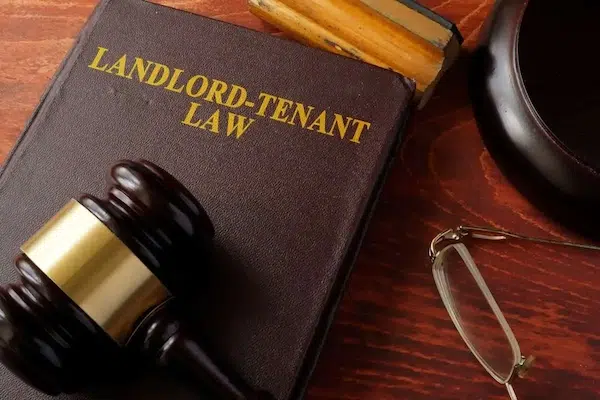
Unlicensed owners must educate themselves about local rental laws, regulations, and ordinances that govern landlord-tenant relationships. Familiarize yourself with laws regarding security deposits, eviction procedures, rent increases, property maintenance, and other relevant topics. This knowledge helps you avoid legal pitfalls and ensures you operate within the boundaries of the law.
Compliance With Fair Housing And Rights
Unlicensed owners must comply with fair housing laws, which prohibit discrimination based on protected characteristics such as race, color, religion, sex, national origin, disability, and familial status. Understand the requirements and obligations outlined in fair housing legislation to ensure equal treatment of all applicants and tenants.
Seek Legal Advice, If Needed
If you encounter complex legal situations or are uncertain about certain aspects of rental management, consulting with a real estate attorney can provide valuable guidance.
Interested to know What Bills Do You Pay When Renting a House?
Evolving Regulations And Ordinances
Evolving regulations and ordinances play a significant role in the rental property landscape. Here are the 2 most important considerations regarding evolving regulations and ordinances:
Stay Informed About Licensing Changes
Licensing requirements for rental activities can undergo changes over time. It is essential to stay updated with any modifications to licensing laws in your jurisdiction. Regularly check government websites, real estate regulatory bodies, or local authorities for updates regarding licensing requirements specific to property management or rental activities.
Consult Local Authorities And Real Estate Boards

If you have questions or concerns about evolving regulations and ordinances, reach out to local authorities or real estate professionals who can provide accurate and up-to-date information. Real estate boards or associations often serve as valuable resources for understanding changes in the industry and can offer guidance on compliance.
Consequences Of Operating Without A License
Operating rental activities without the required license can have serious consequences for unlicensed owners. 2 of the common consequences include:
Legal Penalties And Fines
Operating without a required real estate license is typically a violation of the law. The specific penalties and fines vary by jurisdiction but can include substantial monetary fines, administrative penalties, or even criminal charges. These penalties aim to deter unlicensed individuals from engaging in activities reserved for licensed professionals.
Liability For Mismanagement Or Noncompliance
Unlicensed owners who engage in property management or rental activities without the necessary qualifications may expose themselves to increased liability. If issues arise, such as disputes with tenants, failure to maintain the property or breaches of legal obligations, unlicensed owners may face legal claims and financial damages. Without a license, it becomes more challenging to defend against claims of negligence or mismanagement.
Resources For Landlords And Owners
Whether you choose to work with licensed professionals or manage rental properties on your own, there are resources available to assist you:
Government Websites
Many government agencies provide comprehensive information and resources for landlords and property owners. Visit the websites of local housing departments, state regulatory bodies, or relevant national agencies to access guidelines, legal requirements, forms, and educational materials specific to your location. These websites often offer resources on topics such as fair housing, tenant rights, eviction procedures, and building code compliance.
Real Estate Associations And Professionals
Real estate associations and professional organizations can provide valuable resources and support for landlords and property owners. These associations often offer educational programs, workshops, and networking opportunities that allow you to learn from experienced professionals and stay updated on industry trends. Examples of such organizations include the National Apartment Association (NAA) or local real estate investor associations.
FAQs

1. Do I Need A Real Estate License To Rent Out My Own Property?
The need for a real estate license to rent out your own property varies by jurisdiction. In many cases, licensing requirements may not apply if you are managing your own property without offering property management services to others. However, it is essential to check local regulations to confirm the specific requirements in your area.
2. Is A Real Estate License Required To Manage Rental Properties On Behalf Of Others?
In most jurisdictions, managing rental properties on behalf of others for compensation typically requires a real estate license. This ensures that property managers possess the necessary knowledge and expertise to handle the responsibilities involved in property management. However, exceptions may exist, so it is important to research the specific requirements in your area.
Conclusion
When considering engaging in rental activities or property management, understanding the licensing requirements in your jurisdiction is crucial. Therefore, it is important to address the question, “Do you need real estate license to rent property?” The need for a real estate license can vary depending on the specific circumstances and local regulations. While some jurisdictions may not require a license for certain types of rental activities, it is always advisable to stay informed about the applicable laws. By doing so, you can protect your investment, ensure legal compliance, and provide a positive rental experience for both you and your tenants.
Are you interested to know How Long Does it Take to Rent a House? Read the full guide by clicking the link.