Buying a second home can be a smart investment strategy that offers a range of benefits. Whether you’re looking to diversify your real estate portfolio, create a vacation retreat, generate rental income, or take advantage of potential tax benefits, owning a second home can provide long-term investment potential. However, navigating the process of buying a second home without selling your first can be complex. In this article, we will explore the key steps to successfully purchasing a second home while keeping your first. Here are the key takeaways:
Table of Contents
Key Takeaways
- Diversify your real estate portfolio by owning a second home
- Create a vacation retreat for yourself and your family
- Generate rental income by renting out your second home
- Explore potential tax benefits associated with owning a second home
- Consider the long-term investment potential of a second home
Understanding the Benefits of Owning a Second Home

Diversifying Your Real Estate Portfolio
Owning a second home can be a great way to diversify your real estate portfolio and expand your investment options. It allows you to have multiple properties in different locations, reducing the risk associated with having all your investments tied to a single property. By buying a second home without selling your first, you can take advantage of potential property appreciation and rental income while still maintaining ownership of your primary residence.
Creating a Vacation Retreat
When creating a vacation retreat, it’s important to consider the specific needs and preferences of your target audience. Whether you’re looking to attract families, couples, or adventure seekers, providing comfortable and convenient accommodations is key. Here are some points to keep in mind:
- Amenities: Offer a range of amenities such as a pool, spa, or outdoor recreational areas to enhance the vacation experience.
- Location: Choose a location that offers easy access to popular tourist attractions, beaches, or outdoor activities.
- Design: Create a welcoming and relaxing atmosphere through thoughtful interior design and comfortable furnishings.
- Activities: Provide a variety of activities or nearby attractions that cater to different interests and age groups.
Remember, the goal is to create a vacation retreat that offers a memorable and enjoyable experience for your guests.
Generating Rental Income
One of the benefits of owning a second home is the potential to generate rental income. By renting out your property, you can offset the costs of ownership and even make a profit. Rental property can be a lucrative investment, providing a steady stream of income. Additionally, renting out your second home can help cover the expenses of maintaining the property, such as repairs and utilities. It’s important to carefully consider the rental market in your desired location and set competitive rental rates to attract tenants. Properly managing the rental process, including screening tenants and handling maintenance requests, is crucial for a successful rental property. By leveraging your second home as a rental, you can maximize its financial benefits and potentially build wealth over time.
Potential Tax Benefits
Owning a second home can provide potential tax benefits that can help offset the costs of ownership. Tax deductions may be available for expenses such as mortgage interest, property taxes, and certain home improvements. These deductions can help reduce your taxable income and potentially lower your overall tax liability. Additionally, if you rent out your second home, you may be able to deduct expenses related to rental income, such as property management fees and maintenance costs. It’s important to consult with a tax professional to understand the specific tax benefits and requirements for owning a second home.
Long-Term Investment Potential
Owning a second home can provide long-term investment potential. By diversifying your real estate portfolio, you can reduce risk and potentially increase your overall return on investment. Additionally, a second home can serve as a valuable asset that appreciates over time, allowing you to build equity and potentially generate passive income through rental opportunities. It’s important to carefully consider the location and market conditions to ensure the long-term investment potential aligns with your financial goals.
Determining Your Budget and Financing Options
Assessing Your Financial Situation
Before purchasing a second home, it is crucial to assess your financial situation. This will help you determine if you have the means to afford a second property and manage the associated expenses. Consider the following factors:
Exploring Mortgage Options
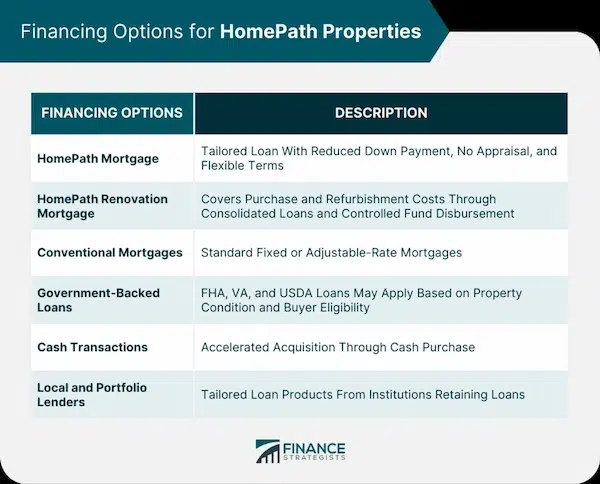
When exploring mortgage options for your second home, it’s important to consider various factors that can impact your financing decisions. Understanding the terms and conditions of different mortgage products can help you make an informed choice. Here are some key points to keep in mind:
- Interest rates: Compare interest rates offered by different lenders to find the most competitive option.
- Down payment: Determine the amount you can afford to put down as a down payment, considering your financial situation.
- Loan term: Decide on the length of the loan term that works best for you, whether it’s a shorter term with higher monthly payments or a longer term with lower monthly payments.
- Closing costs: Take into account the closing costs associated with obtaining a mortgage, including appraisal fees, title insurance, and attorney fees.
Remember, it’s essential to carefully review and compare mortgage options to ensure you choose the one that aligns with your financial goals and circumstances.
Considering Alternative Financing Methods
When exploring alternative financing methods for your second home purchase, it’s important to consider options that align with your financial goals and circumstances. Creative financing can provide flexibility and potential cost savings. Here are some alternative financing methods to consider:
- Seller financing: Negotiate with the seller to finance a portion or all of the purchase price.
- Home equity loan: Use the equity in your primary residence to secure a loan for your second home.
- 401(k) loan: Borrow against your retirement savings to fund your second home purchase.
- Personal loan: Obtain a personal loan from a bank or credit union.
It’s important to carefully evaluate the terms and conditions of any alternative financing method to ensure it aligns with your long-term financial plans and objectives. Consulting with a financial advisor can provide valuable insights and guidance in making the right financing decision.
Calculating Additional Expenses
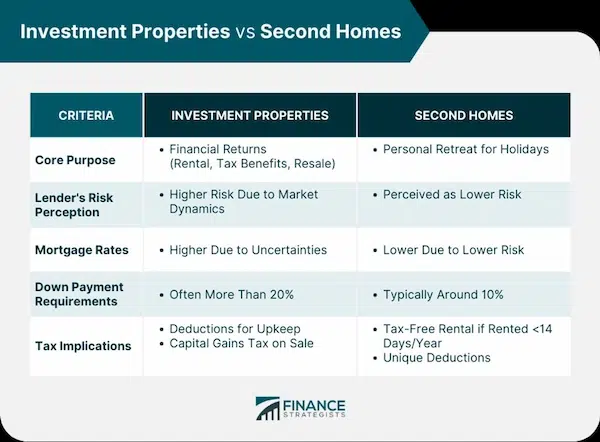
Calculating the additional expenses associated with buying a second home is an important step in determining the overall affordability of the investment. It’s crucial to consider not only the purchase price of the property, but also the ongoing costs that come with owning a second home. These expenses can include property taxes, insurance, maintenance and repairs, utilities, and potentially higher down payment requirements. By carefully evaluating these costs, you can ensure that you are financially prepared to take on the responsibilities of owning a second home.
Securing Financing for a Second Home
When it comes to securing financing for a second home, there are several options available to consider. Traditional mortgage lenders are a common choice, offering competitive interest rates and flexible repayment terms. Another option is to explore alternative financing methods, such as home equity loans or lines of credit, which allow you to leverage the equity in your primary residence. Additionally, you may want to consider working with a mortgage broker who can help you navigate the various financing options and find the best solution for your needs.
To help you make an informed decision, here are some key points to keep in mind:
- Compare interest rates and terms from different lenders to ensure you get the most favorable financing terms.
- Consider the impact of a second mortgage on your overall financial situation and budget.
- Be prepared to provide documentation of your income, assets, and credit history during the loan application process.
Remember, securing financing for a second home requires careful consideration and planning. It’s important to weigh the costs and benefits before making a decision.
Researching and Choosing the Right Location
Identifying Your Desired Location
When identifying your desired location for a second home, it’s important to consider various factors that align with your preferences and needs. Location is a key aspect that can greatly impact your overall experience and satisfaction with your second home. Here are some important points to keep in mind:
Evaluating Local Real Estate Market
When evaluating the local real estate market, it is important to consider various factors that can impact the value and potential return on investment of a second home. Location plays a crucial role in determining the demand and desirability of properties in the area. Market trends and property appreciation rates should be analyzed to assess the potential for future growth. Additionally, it is essential to research the local economy and job market to understand the stability and growth potential of the area. Evaluating the rental market can also be beneficial for those considering renting out their second home. By understanding the demand, rental rates, and competition in the area, homeowners can make informed decisions about becoming a landlord. Finally, it is important to be aware of any local regulations or restrictions that may affect the ownership or use of a second home in the chosen location.
Considering Accessibility and Amenities
When choosing the right location for your second home, it’s important to consider the accessibility and amenities available in the area. Accessibility refers to how easy it is to reach the location, whether by car, plane, or other means of transportation. Amenities are the facilities and services that are available nearby, such as shopping centers, restaurants, and recreational activities. Here are some key points to keep in mind:
- Research the transportation options available to the location.
- Consider the proximity of essential amenities like grocery stores and medical facilities.
- Evaluate the availability of recreational activities, such as parks, beaches, or golf courses.
- Take into account the quality of schools and educational institutions in the area.
Remember, the accessibility and amenities of a location can greatly impact your experience and the potential value of your second home investment.
Assessing Potential for Property Appreciation
When assessing the potential for property appreciation, it is important to consider various factors that can impact the value of your second home. These factors include the local real estate market, economic conditions, and any upcoming developments in the area. Additionally, researching historical property appreciation rates can provide insights into the future growth potential. It is also advisable to consult with real estate professionals who have expertise in the local market to gain a better understanding of the specific factors that can influence property values.
Exploring Local Regulations and Restrictions
When exploring local regulations and restrictions for your second home, it’s important to understand the specific rules and guidelines that may apply to your desired location. Zoning regulations can dictate how the property can be used, such as whether it can be rented out as a vacation home or if there are restrictions on short-term rentals. Additionally, some areas may have homeowner association (HOA) rules that govern property use and maintenance.
To ensure compliance with local regulations, it’s recommended to:
- Research the zoning laws and HOA regulations specific to your desired location.
- Consult with a local real estate agent or attorney who is familiar with the area’s regulations.
- Consider any potential restrictions or limitations that may impact your plans for the second home.
Remember, understanding and adhering to local regulations and restrictions is crucial to avoid any legal issues or conflicts in the future.
Finding the Perfect Second Home

Defining Your Property Requirements
When defining your property requirements for a second home, it’s important to consider your specific needs and preferences. Here are some key factors to keep in mind:
Working with a Real Estate Agent
When working with a real estate agent, it is important to communicate your specific needs and preferences. They can help you navigate the market and find properties that align with your requirements. Equity built up in your first home can be used as a down payment for your second home, providing you with more financing options. Consider discussing this with your agent to explore the possibilities.
Exploring Different Property Types
When exploring different property types for your second home, it’s important to consider several factors. These factors include the location, size, amenities, and potential for appreciation. By carefully evaluating these aspects, you can make an informed decision that aligns with your needs and preferences.
Conducting Property Inspections
Conducting thorough property inspections is an essential step in the process of buying a second home. It allows you to assess the condition of the property and identify any potential issues or repairs that may be needed. During the inspection, pay close attention to the structural integrity, electrical and plumbing systems, and overall maintenance of the property. It is also important to check for any signs of water damage, mold, or pest infestations. Taking the time to conduct a detailed inspection can help you make an informed decision and avoid costly surprises down the line.
Negotiating the Purchase Price
When negotiating the purchase price for your second home, it’s important to consider various factors that can impact the final cost. Understanding the market conditions and the seller’s motivations can give you an advantage in the negotiation process. Here are some key points to keep in mind:
- Research recent sales of similar properties in the area to get an idea of the market value.
- Determine your maximum budget and set a target price for the property.
- Consider any repairs or renovations that may be needed and factor those costs into your offer.
- Be prepared to negotiate on other terms, such as the closing date or contingencies.
Remember, negotiating the purchase price is a crucial step in buying a second home. By being well-informed and strategic, you can secure a favorable deal that meets your criteria for flipping a house.
Managing and Maintaining Your Second Home

Creating a Property Management Plan
Once you have purchased your second home, it is important to develop a comprehensive property management plan to ensure its smooth operation and maintenance. A well-designed management plan can help you maximize the potential of your investment and minimize any potential issues that may arise. Here are some key considerations to include in your property management plan:
Hiring a Property Manager
When hiring a property manager for your second home, it is important to carefully consider their qualifications and experience. Lenders will scrutinize the property manager’s track record and ability to effectively manage the property. Here are some key factors to keep in mind:
- Look for a property manager with a proven track record of successfully managing similar properties.
- Consider their knowledge of local rental markets and their ability to attract and retain tenants.
- Evaluate their communication skills and responsiveness to both you as the homeowner and the tenants.
- Discuss their fees and services to ensure they align with your budget and expectations.
Remember, the property manager will play a crucial role in maintaining and maximizing the value of your second home investment.
Maintaining the Property
Once you have purchased your second home, it is important to prioritize maintenance to ensure its longevity and value. Regular upkeep and repairs are essential to prevent any major issues from arising. Here are some key points to consider when maintaining your second home:
Dealing with Rental Management
Managing rental properties can be a complex task, but with the right approach, it can also be a rewarding experience. Here are some key points to consider when dealing with rental management:
- Tenant Screening: Conduct thorough background checks and reference checks to ensure you find reliable tenants who will take care of your property.
- Lease Agreements: Create detailed lease agreements that clearly outline the terms and conditions of the rental, including rent amount, payment schedule, and maintenance responsibilities.
- Rent Collection: Establish a system for collecting rent on time, whether it’s through online platforms or traditional methods.
- Property Maintenance: Regularly inspect and maintain the property to address any issues promptly and keep it in good condition.
- Communication: Maintain open and clear communication with tenants to address any concerns or maintenance requests.
Remember, effective rental management is crucial for maximizing the returns on your second home investment.
Ensuring Security and Insurance
When it comes to owning a second home, ensuring security and insurance is crucial. Protecting your investment and providing peace of mind are top priorities. Here are some key considerations to keep in mind:
- Install a comprehensive security system to deter potential intruders.
- Consider hiring a property management company to oversee security and maintenance.
- Purchase a comprehensive insurance policy that covers both property damage and liability.
- Regularly inspect the property for any potential security vulnerabilities.
- Keep important documents related to the property in a secure location.
Remember, owning a second home should be a source of relaxation and enjoyment, not holiday stress.
Conclusion
In conclusion, buying a second home can provide numerous benefits and opportunities. Diversifying your real estate portfolio, creating a vacation retreat, generating rental income, and enjoying potential tax benefits are just a few advantages of owning a second home. Additionally, it offers a long-term investment potential and the opportunity to expand your real estate holdings. However, it is important to carefully consider your budget, financing options, and location before making a purchase. Researching and choosing the right location, finding the perfect second home, and effectively managing and maintaining the property are crucial steps in the process. With proper planning and execution, owning a second home can be a rewarding experience that enhances your lifestyle and financial well-being. Take the time to explore the possibilities and make an informed decision that aligns with your goals and aspirations.
Frequently Asked Questions
Can I buy a second home if I haven’t sold my first home?
Yes, it is possible to buy a second home without selling your first home. There are various financing options available that can help you manage the purchase of a second home while still owning your primary residence.
What are the benefits of owning a second home?
Owning a second home provides several benefits, including diversifying your real estate portfolio, creating a vacation retreat, generating rental income, potential tax benefits, and long-term investment potential.
How do I determine my budget for a second home?
To determine your budget for a second home, you need to assess your financial situation, including your income, expenses, and existing debts. It is important to consider not only the purchase price but also additional expenses such as property taxes, insurance, and maintenance costs.
What financing options are available for buying a second home?
When buying a second home, you can explore mortgage options offered by banks and financial institutions. Additionally, you can consider alternative financing methods such as home equity loans, personal loans, or borrowing against your retirement savings.
What factors should I consider when choosing the location for my second home?
When choosing the location for your second home, it is important to identify your desired location based on factors such as proximity to amenities, accessibility, local real estate market conditions, potential for property appreciation, and any local regulations or restrictions.
Do I need a real estate agent to find a second home?
While it is not mandatory to work with a real estate agent, their expertise and knowledge can greatly assist you in finding the perfect second home. A real estate agent can help you navigate the market, negotiate the purchase price, and guide you through the entire buying process.
What types of properties should I consider for a second home?
The types of properties you should consider for a second home depend on your preferences and requirements. Options include single-family homes, condos, townhouses, vacation homes, or even investment properties that can generate rental income.
How can I manage and maintain my second home?
Managing and maintaining a second home requires careful planning. You can create a property management plan, hire a property manager, and establish a regular maintenance schedule. If you plan to rent out the property, you will also need to handle rental management tasks.