First generation home buyers are individuals who are purchasing their first home and are the first in their family to do so. They face unique challenges and considerations throughout the home buying process. This article aims to provide a comprehensive understanding of first generation home buyers, including who they are, their characteristics, the financial considerations they need to make, how to navigate the home buying process, and the government programs and assistance available to them. Additionally, it highlights the importance of building a support system and seeking guidance from experienced home buyers. By gaining a deeper understanding of first generation home buyers, you can better support and assist them in their journey to homeownership.
Table of Contents
Key Takeaways
- First generation home buyers are individuals who are purchasing their first home and are the first in their family to do so.
- They face unique challenges throughout the home buying process.
- Saving for a down payment is a crucial financial consideration for first generation home buyers.
- Researching neighborhoods and housing markets is essential for finding the right home.
- Government programs and assistance, such as first-time home buyer programs and down payment assistance programs, can provide valuable support to first generation home buyers.
Who are First Generation Home Buyers?

Defining First Generation Home Buyers
First generation home buyers are individuals who are purchasing a home for the first time in their family. They are breaking new ground and establishing a legacy for future generations. These buyers often have a unique perspective and set of challenges compared to repeat home buyers.
One important aspect to consider when defining first generation home buyers is their cultural background. Cultural identity plays a significant role in shaping their home buying decisions. It influences their preferences for certain neighborhoods, housing styles, and community amenities.
To better understand the characteristics of first generation home buyers, let’s take a look at some key data:
Characteristics of First Generation Home Buyers
First generation home buyers are a diverse group of individuals who are purchasing a home for the first time. They often face unique challenges and have specific financial considerations. Understanding the characteristics of first generation home buyers can help real estate professionals better serve their needs.
Challenges Faced by First Generation Home Buyers
First generation home buyers face several challenges when entering the housing market. One of the main challenges is affordability. Many first generation home buyers have limited financial resources, making it difficult to save for a down payment and qualify for a mortgage.
Another challenge is lack of knowledge and experience. First generation home buyers may not be familiar with the home buying process, including researching neighborhoods, making offers, and negotiating. This lack of knowledge can lead to confusion and potential mistakes.
Additionally, first generation home buyers may face discrimination and bias. They may encounter obstacles such as language barriers, limited access to information, and unfair treatment from lenders or real estate agents.
To overcome these challenges, it is important for first generation home buyers to seek guidance from experienced home buyers, utilize community resources, and join first generation home buyer networks. These support systems can provide valuable advice, information, and emotional support throughout the home buying journey.
Financial Considerations for First Generation Home Buyers

Saving for a Down Payment
Saving for a down payment is one of the biggest challenges for first generation home buyers. It requires careful planning and discipline. Here are some tips to help you save:
- Create a budget: Start by analyzing your income and expenses to determine how much you can realistically save each month.
- Cut back on expenses: Look for areas where you can reduce spending, such as eating out less or canceling unnecessary subscriptions.
- Automate your savings: Set up automatic transfers from your checking account to a separate savings account dedicated to your down payment.
Tip: Consider opening a high-yield savings account to earn more interest on your savings.
Remember, the larger your down payment, the lower your monthly mortgage payments will be. So, it’s important to start saving as early as possible.
Understanding Mortgage Options
When it comes to financing a home purchase, first generation home buyers have a variety of mortgage options to consider. Understanding these options is crucial for making an informed decision that aligns with their financial goals and circumstances. Here are some common mortgage options available to first generation home buyers:
- Conventional Loans: These are traditional mortgages offered by banks and other financial institutions. They typically require a higher credit score and a larger down payment.
- FHA Loans: Backed by the Federal Housing Administration, FHA loans are designed to make homeownership more accessible. They have lower credit score and down payment requirements.
- VA Loans: Available to eligible veterans and active-duty military personnel, VA loans offer favorable terms and require no down payment.
- USDA Loans: These loans are designed for low-to-moderate income borrowers in rural areas. They offer low interest rates and no down payment.
It’s important for first generation home buyers to carefully evaluate their financial situation and research the different mortgage options available to them. Consulting with a mortgage lender or financial advisor can provide valuable guidance and help them choose the option that best suits their needs.
Managing Credit and Debt
Managing credit and debt is a crucial aspect of the home buying process for first generation home buyers. It is important to have a good understanding of your credit score and how it affects your ability to qualify for a mortgage. Maintaining a healthy credit score can help you secure a favorable interest rate and loan terms.
In addition to credit, managing debt is also important. Paying off existing debts and keeping your debt-to-income ratio low can improve your chances of getting approved for a mortgage.
Here are some tips for managing credit and debt:
- Monitor your credit report regularly to check for errors or fraudulent activity.
- Pay your bills on time to avoid late payment fees and negative marks on your credit report.
- Reduce your credit card balances to lower your credit utilization ratio.
- Avoid taking on new debt before applying for a mortgage.
Remember, responsible credit and debt management is key to a successful home buying journey.
Navigating the Home Buying Process
Finding the Right Real Estate Agent
Finding the right real estate agent is a crucial step in the home buying process. A knowledgeable and experienced agent can help you navigate the complex real estate market and guide you towards making the best decisions for your needs. Here are some key factors to consider when choosing a real estate agent:
- Expertise: Look for an agent who specializes in the type of property you are interested in, whether it’s a single-family home, condominium, or investment property.
- Local Knowledge: A local agent who is familiar with the neighborhood and housing market can provide valuable insights and advice.
- Communication Skills: Effective communication is essential for a successful partnership with your agent. Look for someone who is responsive, listens to your needs, and keeps you informed throughout the process.
- References and Reviews: Don’t hesitate to ask for references or read online reviews to get a sense of an agent’s track record and client satisfaction.
Remember, finding the right real estate agent can make a significant difference in your home buying experience.
Researching Neighborhoods and Housing Markets
When researching neighborhoods and housing markets, it is important to consider various factors that can impact your decision. Here are some key points to keep in mind:
- Location: The location of a neighborhood can greatly affect the value and desirability of a home. Consider factors such as proximity to schools, amenities, and transportation options.
- Property Values: Research the property values in the neighborhood to get an idea of the market trends. Look for areas that have shown consistent growth in value over time.
- Crime Rates: Check the crime rates in the neighborhood to ensure the safety and security of your future home.
Tip: Talk to local residents or visit the neighborhood at different times of the day to get a better sense of the community and its atmosphere.
- Future Development: Find out about any planned developments or infrastructure projects in the area. This can impact property values and the overall appeal of the neighborhood.
- School Districts: If you have children or plan to have them in the future, research the quality of the school districts in the area.
- Amenities: Consider the availability of amenities such as parks, shopping centers, and recreational facilities.
- Neighborhood Associations: Look into any neighborhood associations or community groups that can provide support and resources for homeowners.
Researching neighborhoods and housing markets is a crucial step in the home buying process. By considering these factors, you can make an informed decision and find a neighborhood that meets your needs and preferences.
Making an Offer and Negotiating
Once you have found the perfect home and completed your research on the neighborhood and housing market, it is time to make an offer and negotiate with the seller. This is a crucial step in the home buying process as it determines the terms and conditions of the sale. Here are some key points to keep in mind:
- Understand the current market conditions and the seller’s motivations.
- Determine your budget and set a maximum offer price.
- Consider including contingencies in your offer, such as a home inspection or financing contingency.
- Be prepared to negotiate with the seller to reach a mutually beneficial agreement.
Negotiating the terms of the sale can be a complex process, but with careful planning and guidance from your real estate agent, you can navigate it successfully.
Government Programs and Assistance for First Generation Home Buyers

First-Time Home Buyer Programs
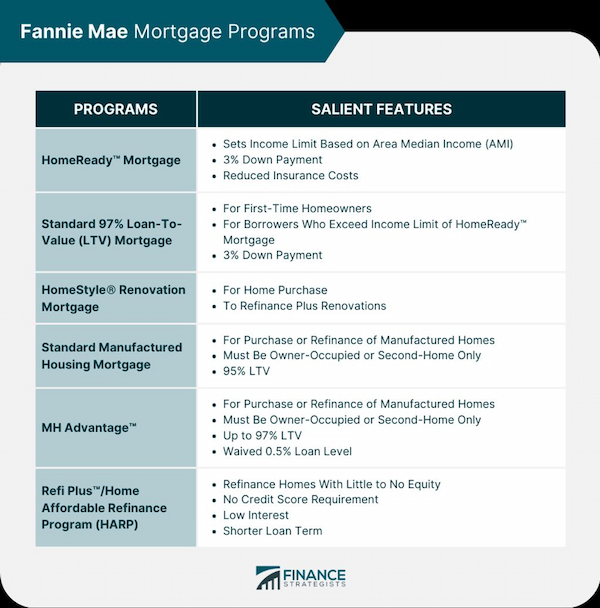
First-time home buyer programs are designed to assist individuals who are purchasing a home for the first time. These programs offer various benefits, such as down payment assistance and favorable loan terms. In New York state, for example, there is a comprehensive first-time homebuyer guide provided by New American Funding. This guide provides valuable information on the different programs and loans available in the state, helping first-time home buyers navigate the home buying process.
One of the programs mentioned in the guide is the down payment assistance program. This program helps cover the down payment required to purchase a home, making it more affordable for first-time buyers. Additionally, specialized loans with favorable terms are also available for first-time home buyers in New York state.
It is important for first-generation home buyers to explore these programs and take advantage of the assistance and resources available to them. By utilizing these programs, they can overcome financial barriers and achieve their dream of homeownership.
Down Payment Assistance Programs
Navigating the financial hurdles of home buying can be daunting for first-time buyers. Down Payment Assistance (DPA) programs are designed to help ease this burden, offering various forms of aid to make homeownership more accessible. These programs often come in the form of grants, low-interest loans, and tax credits that can significantly reduce the upfront costs associated with purchasing a home.
Eligibility for DPA programs can vary widely based on location, income level, and the price of the home being purchased. It’s important for prospective buyers to research and understand the specific requirements of each program. Here’s a brief overview of the types of assistance commonly available:
- Grants that do not require repayment
- Low-interest loans that are deferred until the home is sold or refinanced
- Tax credits that can provide annual savings
Tip: Always consult with a housing counselor or financial advisor to understand the full benefits and obligations of any DPA program you are considering.
Remember, while DPA programs can provide substantial help, they should be considered as part of a broader financial strategy for home buying. Ensuring you have a solid understanding of all your options will put you in the best position to make an informed decision.
Tax Credits and Deductions
Tax credits and deductions can provide significant financial benefits for first generation home buyers. These incentives are designed to help alleviate the financial burden of purchasing a home and make homeownership more affordable. Here are some key points to consider:
Building a Support System

Seeking Guidance from Experienced Home Buyers
When navigating the home buying process, it can be incredibly helpful to seek guidance from experienced home buyers. These individuals have gone through the process themselves and can provide valuable insights and advice. Their firsthand knowledge can help you avoid common pitfalls and make informed decisions.
One way to connect with experienced home buyers is by joining local real estate networking groups or online communities. These platforms provide opportunities to ask questions, share experiences, and learn from others who have already been through the home buying journey.
Additionally, consider reaching out to friends, family, or colleagues who have recently purchased a home. They can offer personal recommendations, share their experiences, and provide guidance based on their own successes and challenges.
Remember, seeking guidance from experienced home buyers can give you a wealth of knowledge and support as you navigate the complex process of buying your first home.
Utilizing Community Resources
Utilizing community resources is crucial for first generation home buyers. These resources can provide valuable information, support, and assistance throughout the home buying process. One important resource is local housing counseling agencies. These agencies offer free or low-cost counseling services to help individuals navigate the complexities of buying a home. They can provide guidance on topics such as budgeting, credit improvement, and mortgage options. Additionally, community organizations and non-profit groups often offer workshops and seminars specifically tailored to first generation home buyers. These events can provide education and networking opportunities, allowing buyers to connect with others who are going through similar experiences.
Joining First Generation Home Buyer Networks
Joining a home buyer network can provide valuable support and resources for first generation home buyers. These networks are typically comprised of individuals who have gone through the home buying process themselves and can offer guidance and advice based on their own experiences. By joining a home buyer network, first generation home buyers can connect with others who are facing similar challenges and learn from their successes and failures. This can help alleviate some of the stress and uncertainty that comes with buying a home for the first time.
Conclusion
In conclusion, understanding the needs and challenges of first generation home buyers is crucial in today’s real estate market. By recognizing their unique circumstances and providing tailored solutions, we can help these individuals achieve their dream of homeownership. Whether it’s through financial assistance programs, educational resources, or personalized guidance, it is important to support and empower first generation home buyers throughout their journey. By doing so, we can contribute to a more inclusive and equitable housing market for all.
Frequently Asked Questions
What is a first generation home buyer?
A first generation home buyer is someone who is purchasing their first home and does not have any previous experience in the home buying process.
What are the characteristics of first generation home buyers?
First generation home buyers often have limited knowledge and experience in the home buying process. They may also have lower incomes and face financial challenges when saving for a down payment.
What are the challenges faced by first generation home buyers?
First generation home buyers may face challenges such as limited access to resources and information, difficulty in understanding mortgage options, and navigating the complex home buying process.
How can first generation home buyers save for a down payment?
First generation home buyers can save for a down payment by creating a budget, cutting expenses, increasing their income, and exploring down payment assistance programs.
What are the mortgage options available for first generation home buyers?
First generation home buyers have various mortgage options including conventional loans, FHA loans, VA loans, and USDA loans. Each option has its own eligibility requirements and benefits.
How can first generation home buyers manage their credit and debt?
First generation home buyers can manage their credit and debt by paying bills on time, reducing credit card balances, avoiding new debt, and monitoring their credit score.
How can first generation home buyers find the right real estate agent?
First generation home buyers can find the right real estate agent by asking for recommendations, conducting interviews, and considering agents who specialize in working with first-time buyers.
What should first generation home buyers consider when researching neighborhoods and housing markets?
First generation home buyers should consider factors such as affordability, safety, proximity to amenities, school districts, and future development plans when researching neighborhoods and housing markets.