Buying a used manufactured home can be a great way to find an affordable housing option. However, it’s important to approach the process with caution and thorough research. In this article, we will provide you with valuable tips for buying a used manufactured home. From researching the market to closing the deal, we will cover all the essential steps to ensure a successful purchase.
Table of Contents
Key Takeaways
- Understand the manufactured home market and determine your budget
- Identify your needs and preferences in terms of size, layout, and features
- Inspect the exterior, interior, and structural integrity of the home
- Evaluate the location, considering the neighborhood, amenities, and surroundings
- Review the documentation, including the title, ownership, history, permits, and certifications
Researching the Market
Understanding the Manufactured Home Market
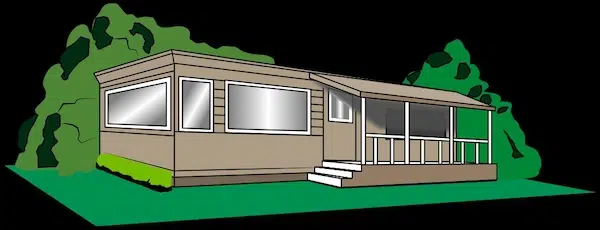
The manufactured home market is constantly evolving and changing. It is important to stay informed about the latest trends and developments in the industry. By understanding the market, you can make more informed decisions when buying a used manufactured home.
Determining Your Budget
When determining your budget for a used manufactured home, it’s important to consider various factors. Types of mobile homes available in the market can greatly impact the price range. Additionally, the age and condition of the home will also play a role in determining the budget. It’s essential to set a realistic budget that takes into account not only the initial purchase price but also any potential renovation or repair costs. Here are some key points to keep in mind:
- Research the average prices of similar homes in the area
- Consider additional expenses such as insurance, property taxes, and utilities
- Factor in any financing options or loans you may need
- Don’t forget to account for ongoing maintenance and repair costs
By carefully considering these factors, you can determine a budget that aligns with your financial situation and ensures a successful purchase.
Identifying Your Needs and Preferences
When buying a used manufactured home, it is important to identify your needs and preferences to ensure you find the right home for you. Consider the following points:
Inspecting the Home
Checking the Exterior
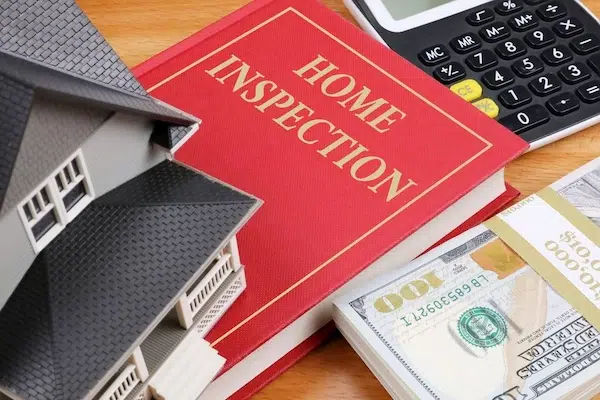
When inspecting the exterior of a used manufactured home, there are several key areas to focus on. Start by examining the foundation and siding for any signs of damage or wear. Look for cracks, rot, or mold that could indicate structural issues or water damage. Pay attention to the roof and check for missing or damaged shingles. Additionally, inspect the windows and doors to ensure they are in good condition and properly sealed. Finally, take note of the skirting around the home, as it provides insulation and protection against pests. By thoroughly inspecting the exterior, you can identify any potential issues and make an informed decision.
Examining the Interior
When examining the interior of a used manufactured home, there are several important factors to consider. It is essential to thoroughly inspect the various components and features to ensure they are in good condition and meet your needs. Here are some key points to keep in mind:
Assessing the Structural Integrity
When assessing the structural integrity of a used manufactured home, there are several key areas to focus on. It is important to thoroughly inspect the foundation, walls, and roof for any signs of damage or wear. Additionally, checking the plumbing and electrical systems is crucial to ensure they are in good working condition. Another important aspect to consider is the overall stability of the home, including the floors and ceilings. Lastly, it is recommended to check the dryer vents for home safety.
Evaluating the Location
Considering the Neighborhood
When considering the neighborhood, it’s important to evaluate the surroundings and amenities. Look for nearby schools, parks, and shopping centers that meet your needs. Take note of the overall cleanliness and maintenance of the area, as well as the noise level and traffic patterns. Additionally, consider the proximity to your workplace and other important locations. Choosing a neighborhood that aligns with your lifestyle and preferences is crucial for a satisfying living experience.
Assessing Amenities and Services
When evaluating a used manufactured home, it is important to consider the amenities and services available in the surrounding area. These factors can greatly impact your quality of life and the value of your investment. Responsibility is a key aspect to keep in mind when assessing amenities and services. Here are some points to consider:
Examining the Lot and Surroundings
When examining the lot and surroundings of a used manufactured home, there are several important factors to consider. It is essential to assess the condition of the land and its suitability for your needs. Additionally, evaluating the neighborhood and the amenities and services available in the area is crucial. Finally, examining the lot and surroundings can provide insights into the overall appeal and potential of the property.
Reviewing Documentation
Reviewing the Title and Ownership
When reviewing the title and ownership of a used manufactured home, it is important to ensure that all the necessary documents are in order. This includes verifying the current owner’s name, checking for any liens or encumbrances on the property, and confirming that the title is clear and transferable. Additionally, it is crucial to review the sales contract and any other relevant paperwork to understand the terms and conditions of the sale.
Examining the Home’s History
When examining the history of a used manufactured home, it is important to gather as much information as possible. This includes details about previous owners, any renovations or repairs that have been done, and any major incidents or damages that may have occurred. By understanding the home’s history, you can get a better idea of its overall condition and potential issues that may need to be addressed.
Verifying Permits and Certifications
Verifying permits and certifications is an essential step when buying a used manufactured home. It ensures that the home meets all the necessary requirements and regulations. Here are some important considerations for manufactured home permits and certifications:
Negotiating the Purchase
Determining a Fair Price
When determining a fair price for a used manufactured home, there are several factors to consider. It’s important to research the current market value of similar homes in the area to get an idea of the price range. Additionally, take into account the age, condition, and any upgrades or renovations that have been made to the home. Rent payment history can also be a useful indicator of the home’s value, as it reflects the demand for the property. Lastly, consider any additional costs such as lot rent or maintenance fees that may affect the overall affordability of the home.
Negotiating Repairs and Upgrades
When negotiating repairs and upgrades for a used manufactured home, it’s important to consider the potential costs and benefits. Mobile homes as investment can provide a great opportunity for affordable housing or rental income. However, it’s crucial to assess the condition of the home and determine the necessary repairs or upgrades. Here are some key points to keep in mind:
- Prioritize essential repairs that affect the safety and functionality of the home.
- Consider the potential return on investment for upgrades such as kitchen renovations or bathroom remodels.
- Research the average costs of repairs and upgrades in your area to negotiate fair prices.
Remember, negotiating repairs and upgrades is an important part of the home buying process. By carefully considering the costs and benefits, you can make informed decisions that align with your budget and goals.
Understanding Financing Options
When it comes to financing your used manufactured home, there are several options to consider. Research different lenders and loan programs to find the best fit for your needs. Compare interest rates, terms, and fees to ensure you are getting the most favorable terms. It is also important to understand the different types of loans available, such as conventional loans, FHA loans, and VA loans. Each has its own requirements and benefits. Additionally, consider your own financial situation and credit score when determining which financing option is right for you. Finally, consult with a financial advisor or mortgage broker to get expert advice and guidance throughout the financing process.
Closing the Deal

Hiring a Professional Inspector
When hiring a professional inspector, it is important to find someone who is experienced and knowledgeable in manufactured homes. They should be familiar with the specific features and potential issues that can arise in these types of homes. Additionally, make sure to ask for references and check their credentials to ensure they are qualified for the job. It is also a good idea to inquire about their inspection process and what areas they will be focusing on. By hiring a qualified inspector, you can gain valuable insights into the condition of the home and make an informed decision.
Completing the Paperwork
After thoroughly reviewing the documentation and ensuring that all necessary paperwork is in order, it’s time to complete the final step of the home buying process. This involves filling out the required paperwork and signing the necessary documents to finalize the purchase. It’s important to carefully read through each document and seek clarification on any terms or conditions that may be unclear. Take your time to understand the legal implications of the paperwork and consult with a professional if needed. Once all the paperwork is completed and signed, you can proceed to the next steps of transferring utilities and insurance.
Transferring Utilities and Insurance
Once the deal is closed and you have become the proud owner of a used manufactured home, it is important to take care of the necessary tasks to transfer utilities and insurance. This process ensures that you have access to essential services and protection for your new home. Here are some key steps to follow:
Conclusion
Buying a used manufactured home can be a great option for those looking for an affordable housing solution. By following these tips and conducting thorough research, inspection, evaluation, review, negotiation, and closing, you can make a well-informed decision. Remember to research the market, inspect the home, evaluate the location, review documentation, negotiate the purchase, and close the deal. With careful consideration and attention to detail, you can find a used manufactured home that meets your needs and preferences. Happy home hunting!
Frequently Asked Questions
1. What should I consider when researching the manufactured home market?
When researching the manufactured home market, it is important to understand the different types of homes available, compare prices and features, and research reputable dealers or sellers.
2. How do I determine my budget for buying a used manufactured home?
To determine your budget, consider your income, expenses, and financing options. It is important to factor in not just the purchase price, but also ongoing costs such as maintenance, insurance, and utilities.
3. What factors should I consider when identifying my needs and preferences?
When identifying your needs and preferences, consider the size of the home, the number of bedrooms and bathrooms, the layout and design, the age and condition of the home, and any specific features or amenities you desire.
4. What should I check when inspecting the exterior of a used manufactured home?
When inspecting the exterior, check for any signs of damage, such as cracks, leaks, or rot. Look for proper insulation, functioning windows and doors, and a solid foundation.
5. What should I examine when inspecting the interior of a used manufactured home?
When inspecting the interior, check for any signs of water damage, mold, or pests. Look for functional plumbing, electrical systems, heating, and cooling. Assess the condition of the walls, floors, and ceilings.
6. How can I assess the structural integrity of a used manufactured home?
To assess the structural integrity, look for any signs of sagging, uneven floors, or cracks in the walls. Check the roof for leaks or damage. Inspect the foundation for stability.
7. What should I consider when evaluating the location of a used manufactured home?
When evaluating the location, consider the neighborhood, proximity to amenities and services, access to transportation, and the overall condition of the lot and surroundings.
8. What documentation should I review when buying a used manufactured home?
When buying a used manufactured home, it is important to review the title and ownership documents, the home’s history of repairs and renovations, and any permits or certifications related to the home’s construction and installation.