
Navigating the fate of liens in Chapter 13 bankruptcy can be a complex and challenging process for debtors. Understanding the different types of liens, their priority, and treatment in Chapter 13 is crucial for a successful financial restructuring. This article explores the challenges faced by debtors, the role of the bankruptcy trustee, strategies for managing liens, recent legal developments, and navigating the court process.
Table of Contents
Key Takeaways
- Understanding the hierarchy of liens is essential in prioritizing debt repayment in Chapter 13 bankruptcy.
- Negotiating with creditors can lead to more favorable terms and outcomes for debtors in Chapter 13 bankruptcy.
- Seeking professional advice can help debtors navigate the complexities of managing liens in Chapter 13 bankruptcy.
- Recent legal developments can impact the treatment of liens and bankruptcy laws, influencing debtor strategies.
- Resolving disputes with creditors through the court process is a critical step in successfully completing a Chapter 13 bankruptcy plan.
Understanding Liens in Chapter 13 Bankruptcy
Types of Liens
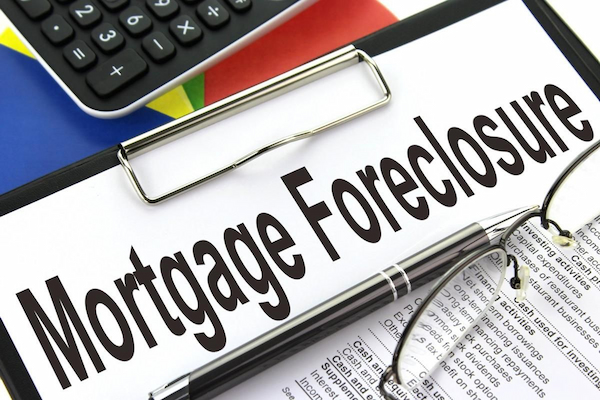
In the context of Chapter 13 bankruptcy, understanding the different types of liens that can affect a debtor’s assets is crucial. Secured liens are attached to specific property, like a home or car, and give the creditor a legal right to the property if the debtor defaults on the loan. Unsecured liens, on the other hand, are not tied to any particular asset and often result from court judgments or tax debts.
Liens play a significant role in the reorganization plan under Chapter 13, as they determine the order in which creditors are paid.
Here is a list of common liens encountered in Chapter 13 bankruptcy:
- Mortgage liens
- Car loan liens
- Judgment liens
- Tax liens
Each type of lien has a different impact on the debtor’s repayment plan and must be carefully considered to navigate the bankruptcy process successfully.
Priority of Liens
In Chapter 13 bankruptcy, understanding the priority of liens is crucial for debtors. Priority liens, such as tax liens and child support liens, take precedence over other debts and must be paid first. Non-priority liens, on the other hand, are treated differently and may not require full repayment.
One strategy for debtors with non-priority liens is to convert their Chapter 7 bankruptcy to a Chapter 13 bankruptcy. This allows for a reorganization of debt and can provide a pathway to manage these liens more effectively.
The classification of liens significantly influences the structure of the repayment plan in Chapter 13 bankruptcy.
Understanding the hierarchy of liens helps in formulating a strategic approach to debt resolution:
Treatment of Liens in Chapter 13
In Chapter 13 bankruptcy, the treatment of liens is a critical aspect that can significantly affect the debtor’s financial future. Secured creditors may have liens that survive the bankruptcy, as these are typically tied to collateral such as a home or vehicle. The debtor’s repayment plan must address these liens, often through maintained payments or by cramming down the debt to the value of the collateral.
Chapter 13 allows for certain liens to be stripped or avoided if they impair an exemption or if the collateral is worth less than the amount owed. This can be particularly beneficial for debtors with underwater second mortgages or nonpossessory, nonpurchase-money security interests in household items.
The ability to modify liens in a Chapter 13 bankruptcy provides a powerful tool for debtors to reorganize their debts and retain their assets.
The following list outlines the general steps a debtor might take to manage liens in their Chapter 13 bankruptcy plan:
- Assess the types and amounts of secured debts and corresponding liens.
- Determine if any liens can be stripped or avoided based on the bankruptcy code provisions.
- Propose a repayment plan that addresses each lien, either by maintaining regular payments or by modifying the terms.
- Obtain court approval of the repayment plan, which will then govern the treatment of liens throughout the bankruptcy.
Challenges Faced by Debtors

Negotiating with Creditors
Negotiating with creditors is a pivotal step in the Chapter 13 bankruptcy process. Debtors must engage in discussions with creditors to reach agreements on the repayment of secured and unsecured debts. This negotiation phase can significantly influence the structure of the repayment plan and the debtor’s financial future.
Communication is key during these negotiations. Debtors should be prepared to present their financial situation transparently and work towards a compromise that satisfies both parties. It’s important to understand that creditors are often willing to negotiate to recover a portion of the debt rather than risk receiving nothing at all.
- Establish clear communication with each creditor
- Review all debt obligations and prioritize them
- Propose realistic repayment plans based on your financial capacity
- Be open to counteroffers and adjust your proposals accordingly
The outcome of these negotiations can lead to reduced payment amounts, extended payment periods, or even the stripping of certain liens, making it a critical component of the bankruptcy strategy.
Impact on Credit Score
Filing for Chapter 13 bankruptcy can lead to significant changes in a debtor’s financial landscape, one of which is the impact on credit score. The act of lien stripping, while beneficial in reducing debt obligations, can also have a detrimental effect on credit ratings. This is because lien stripping is a form of debt restructuring that is reported to credit bureaus.
When a debtor successfully strips a junior lien through Chapter 13 bankruptcy, it is reflected in their credit history. The process of lien stripping involves the court reclassifying a secured debt as unsecured, which can then be discharged at the end of the bankruptcy plan. While this can alleviate the burden of the debt, it also signals to future creditors that the debtor has undergone significant financial distress.
The credit score impact of lien stripping is complex and varies by individual cases. It is important for debtors to understand that while their immediate debt may be reduced, their ability to borrow in the future could be affected for several years.
Credit scores are crucial for future financial transactions, such as obtaining a mortgage, financing a car, or even renting an apartment. A Chapter 13 bankruptcy will typically remain on a credit report for seven years, influencing lending decisions and interest rates offered by creditors.
Legal Implications
The legal implications of liens in a Chapter 13 bankruptcy are multifaceted and can significantly affect the outcome of a debtor’s case. One critical aspect is the determination of lien validity and extent, which can influence the debtor’s ability to retain certain assets. The Bankruptcy Code provides mechanisms for debtors to challenge improper liens, offering a potential path to freeing assets from undue claims.
Bankruptcy courts also examine the impact of liens on the overall repayment plan. Debtors must navigate the legal intricacies of satisfying secured creditors while also adhering to the requirements of Chapter 13. This often involves complex legal maneuvers, such as lien stripping or cramdowns, which can reduce the amount owed to secured creditors to the value of the collateral.
The successful navigation of these legal challenges is crucial for debtors seeking to reorganize their debts and emerge from bankruptcy with a fresh start.
Understanding the legal implications is essential for debtors, as it can mean the difference between losing an asset to a creditor or retaining it under the protection of the bankruptcy estate. The following list outlines key considerations for debtors regarding liens in Chapter 13 bankruptcy:
- Ensuring all liens are properly listed and accounted for in the bankruptcy filing
- Assessing the priority of liens to strategize repayment
- Utilizing legal provisions to challenge or modify liens
- Comprehending the long-term effects of lien treatment on financial recovery
The Role of the Bankruptcy Trustee

Reviewing Liens
In the context of Chapter 13 bankruptcy, the bankruptcy trustee plays a pivotal role in reviewing liens attached to the debtor’s property. This review is crucial as it determines the validity and priority of each lien, which in turn influences the debtor’s repayment plan. The trustee must ensure that all liens are accounted for and accurately represented in the bankruptcy filings.
- Verification of lien validity
- Assessment of lien priority
- Identification of avoidable liens
The trustee’s meticulous review process is designed to protect the interests of both the debtor and the creditors.
Upon completion of the review, the trustee may recommend certain actions to the court, such as the avoidance of liens that are not properly secured or do not have precedence over others. This recommendation is vital for the formulation of a feasible and equitable repayment plan.
Recommendations to the Court
The bankruptcy trustee plays a pivotal role in shaping the outcome of a Chapter 13 case. After a thorough review of the debtor’s financial situation and the liens involved, the trustee makes recommendations to the court regarding the feasibility of the proposed repayment plan. These recommendations can include adjustments to the payment amounts or the duration of the plan to better align with the debtor’s ability to pay.
It is crucial for the debtor to understand that the trustee’s recommendations are influential but not binding on the court. The final decision rests with the bankruptcy judge.
In light of the trustee’s recommendations, debtors may find themselves considering modifications to their Chapter 13 plan. Common modifications include:
- Adjusting the monthly payment amount
- Extending the term of the plan
These changes are often necessary to accommodate shifts in the debtor’s financial circumstances or to address objections raised by creditors.
Enforcing the Chapter 13 Plan
Once a Chapter 13 plan is confirmed by the court, the bankruptcy trustee plays a pivotal role in ensuring that debtors adhere to the terms of the plan. The trustee’s enforcement of the plan is crucial for the successful completion of the bankruptcy process.
The trustee monitors the debtor’s payments and distributes funds to creditors according to the plan’s provisions. Failure to make payments can lead to a dismissal of the bankruptcy case or conversion to a Chapter 7 bankruptcy. It is essential for debtors to maintain open communication with the trustee to address any issues that may arise during the plan period.
Consistency in payment is key to the enforcement of the Chapter 13 plan. Debtors should be aware of the following responsibilities:
- Timely submission of monthly payments to the trustee
- Reporting any significant changes in financial circumstances
- Cooperating with the trustee’s requests for documentation or information
The successful enforcement of a Chapter 13 plan not only satisfies creditors but also allows debtors to emerge from bankruptcy with a fresh financial start.
Strategies for Managing Liens
Debt Repayment Plans
In Chapter 13 bankruptcy, debt repayment plans are tailored to the debtor’s financial situation, allowing for a structured approach to paying back creditors over a three to five-year period. The key to a successful plan is its feasibility and compliance with bankruptcy laws. Debtors must ensure that their plan prioritizes certain debts and provides a clear timeline for repayment.
Priority and secured debts are often paid in full, while unsecured debts may receive a smaller percentage. This distinction is crucial as it impacts the overall strategy for managing liabilities:
- Priority debts: Taxes, child support, etc.
- Secured debts: Mortgages, car loans
- Unsecured debts: Credit card bills, medical expenses
It’s essential for debtors to maintain regular payments and adhere to the terms set forth in their Chapter 13 plan to avoid any potential legal complications or the dismissal of their case.
Asset Protection Strategies
In the realm of Chapter 13 bankruptcy, asset protection strategies are crucial for debtors aiming to safeguard their financial future. One of the most significant benefits of Chapter 13 is the ability to retain ownership of assets while repaying debts over time. This includes retirement accounts, which are often protected under federal law.
Debtors should be proactive in understanding which assets are exempt and how to structure their bankruptcy plan to maximize protection.
To ensure assets are shielded effectively, debtors may consider various strategies:
- Evaluating which assets are considered exempt under state and federal laws
- Utilizing exemptions to protect equity in a home or car
- Structuring the repayment plan to prioritize secured debts
It’s imperative for debtors to be well-informed about their rights and the tools at their disposal to maintain control over their assets during the bankruptcy process.
Seeking Professional Advice
When navigating Chapter 13 bankruptcy, seeking professional advice is crucial for understanding the complexities of liens and the legal process. A bankruptcy attorney can provide invaluable guidance on protecting your assets and dealing with creditors effectively.
Professionals can help you interpret the nuances of bankruptcy law, ensuring that you make informed decisions. For instance, they can advise on the implications of different types of liens on your property and how to handle them during the bankruptcy process.
- Review your financial situation and identify all existing liens
- Develop a strategy to manage liens within your Chapter 13 plan
- Negotiate with creditors to seek lien removal or modification
- Represent you in court and communicate with the bankruptcy trustee
It’s essential to have a clear strategy for managing liens and to understand your rights and obligations under Chapter 13 bankruptcy. Professional advice can help you navigate these waters with greater confidence and clarity.
Remember, the goal is to emerge from bankruptcy with a fresh start, and a professional can help ensure that liens do not unduly burden your post-bankruptcy financial life. Addressing liens early with expert advice can prevent complications and provide peace of mind.
Recent Legal Developments
Case Studies
Recent case studies in Chapter 13 bankruptcy have highlighted the evolving nature of how liens are treated. One notable case involved a debtor successfully stripping a second mortgage lien, due to the property’s value being less than the outstanding balance on the first mortgage. This precedent suggests that lien stripping can be a powerful tool for debtors under certain conditions.
Case studies also reveal the importance of accurate property valuations. Discrepancies between a debtor’s claimed property value and the creditor’s assessment can lead to significant legal challenges:
- Determining the secured status of a lien
- Assessing the feasibility of a repayment plan
- Negotiating lien avoidance
The outcome of these cases often hinges on the meticulous preparation of legal documentation and a thorough understanding of bankruptcy law.
The implications of these cases extend beyond individual debtors, influencing broader bankruptcy practices and creditor strategies. As legal interpretations continue to evolve, staying abreast of recent case studies is essential for both debtors and practitioners.
Impact on Bankruptcy Laws
Recent legal developments have had a significant impact on the landscape of bankruptcy laws, particularly in the context of Chapter 13 bankruptcy. Changes to the treatment of liens have altered the strategies that debtors and their attorneys must employ to navigate these complex proceedings.
One notable shift has been the clarification of lien stripping, which allows certain liens to be removed if they are deemed wholly unsecured. This process can be a lifeline for debtors seeking relief from overwhelming secured debts. However, it also requires a thorough understanding of the evolving legal standards.
- The court’s latest newsletter provides updates on administrative orders affecting Chapter 13 practitioners.
- Recent case law has refined the interpretation of lien priority and enforcement.
- Amendments to bankruptcy statutes have introduced new provisions for lien avoidance.
The implications of these legal changes are profound, affecting not only debtors but also creditors and the overall efficacy of the bankruptcy system.
Future Implications
The landscape of Chapter 13 bankruptcy is continually evolving, with new legal precedents and amendments to bankruptcy laws shaping the way liens are managed. The adaptability of debtors and their legal counsel to these changes is crucial for successful navigation through bankruptcy proceedings.
One significant area of change is the technological advancements in the legal field. These may lead to more streamlined processes for filing and managing bankruptcy cases, potentially affecting the efficiency and outcomes of lien resolutions. The use of blockchain technology, for example, could introduce new methods for recording and recognizing liens, altering the traditional approaches to lien prioritization and enforcement.
- Enhanced digital record-keeping systems
- Automated lien analysis tools
- Predictive analytics for case outcomes
The integration of these technologies could democratize access to legal resources, making it easier for debtors to understand and manage their financial obligations in a bankruptcy context.
As we look to the future, it is clear that the interplay between technological innovation, legal practice, and debtor strategy will continue to redefine the fate of liens in Chapter 13 bankruptcy. Staying informed and proactive is essential for all parties involved.
Navigating the Court Process

Filing for Chapter 13 Bankruptcy
Filing for Chapter 13 bankruptcy is a critical step for debtors seeking to reorganize their debts and protect their assets. The filing process initiates the legal proceedings necessary for debtors to obtain relief from their creditors and establish a repayment plan. It’s essential to understand that Chapter 13 is designed for individuals with a regular income who can pay back a portion of their debts over time.
Eligibility requirements for Chapter 13 bankruptcy are specific and must be met before filing. Debtors must have sufficient income to support a repayment plan, and their secured and unsecured debts must not exceed certain thresholds. Here is a brief overview of the eligibility criteria:
- Secured debts must be less than $1,257,850.
- Unsecured debts must be less than $419,275.
The successful filing of Chapter 13 bankruptcy hinges on meticulous preparation and adherence to legal requirements. Debtors must compile a comprehensive list of their liabilities and assets, as well as a detailed account of their income and expenditures.
Once the petition is filed, an automatic stay goes into effect, which temporarily halts most collection actions against the debtor. This period allows for the development of a feasible repayment plan, which will be reviewed and, if appropriate, confirmed by the bankruptcy court.
Attending Court Hearings
Attending court hearings is a critical step in the Chapter 13 bankruptcy process. It is where debtors present their repayment plan to the court and address any objections raised by creditors. Preparation is key, as the debtor must be ready to justify the feasibility of their plan and its fairness to all parties involved.
During these hearings, the judge will scrutinize the proposed plan to ensure it complies with bankruptcy laws. Debtors should be familiar with the timeline of events and what documentation to bring. It’s advisable to consult with a bankruptcy attorney to navigate this complex process.
- Review your repayment plan thoroughly
- Anticipate creditor objections
- Gather all necessary financial documents
- Practice your presentation
The outcome of these hearings can significantly affect the remainder of the bankruptcy process, making it essential to approach them with diligence and a well-prepared case.
Resolving Disputes with Creditors
When navigating Chapter 13 bankruptcy, resolving disputes with creditors is often a critical step. Debtors must be proactive in addressing any disagreements to ensure a smooth process. Effective communication and negotiation can lead to mutually acceptable resolutions.
Mediation may be a viable option for debtors and creditors to come to an agreement outside of court. This approach can save time and resources for both parties involved. It’s important to document all agreements reached through mediation to avoid future misunderstandings.
- Review the claim and identify discrepancies
- Gather evidence and documentation
- Engage in negotiation or mediation
- Document any agreements reached
Resolving disputes efficiently can significantly impact the success of a Chapter 13 bankruptcy plan. It’s essential to approach these situations with a clear strategy and the willingness to compromise when necessary.
Conclusion
In conclusion, navigating the fate of liens in Chapter 13 bankruptcy requires a thorough understanding of the legal processes involved, the rights of the debtor and the creditors, and the implications of different decisions. It is crucial for individuals considering Chapter 13 bankruptcy to seek professional legal advice to ensure their rights are protected and to make informed decisions throughout the process. By understanding the complexities of liens in bankruptcy, individuals can better navigate the challenges and opportunities that arise in seeking financial relief through Chapter 13 bankruptcy.
Frequently Asked Questions
What is the difference between secured and unsecured liens in Chapter 13 bankruptcy?
Secured liens are backed by collateral, while unsecured liens are not. Secured liens have a higher priority in Chapter 13 bankruptcy.
Can liens be removed in Chapter 13 bankruptcy?
In some cases, liens can be stripped or reduced through the Chapter 13 repayment plan. However, this process is subject to court approval.
How does Chapter 13 bankruptcy affect tax liens?
Tax liens can be addressed in Chapter 13 bankruptcy, but the treatment may vary depending on the specific circumstances. It is important to consult with a bankruptcy attorney for guidance.
What happens to liens on property in Chapter 13 bankruptcy?
Liens on property can be managed through the Chapter 13 repayment plan. Debtors may have the option to repay the liens over time as part of the plan.
Are all types of liens eligible for treatment in Chapter 13 bankruptcy?
Most types of liens, including mortgage liens, judgment liens, and tax liens, can be addressed in Chapter 13 bankruptcy. However, certain liens may have special considerations.
How long does it take to resolve liens in Chapter 13 bankruptcy?
The process of addressing liens in Chapter 13 bankruptcy can vary depending on the complexity of the case and the cooperation of creditors. It is important to work closely with the bankruptcy trustee and legal counsel.
Can creditors object to the treatment of liens in Chapter 13 bankruptcy?
Creditors have the right to object to the treatment of liens in Chapter 13 bankruptcy. The court will review any objections and make a decision based on the facts of the case.
What are the potential consequences of failing to address liens in Chapter 13 bankruptcy?
Failure to address liens in Chapter 13 bankruptcy can result in the loss of property or assets secured by the liens. It is crucial to prioritize the management of liens during the bankruptcy process.