Buying foreclosed homes can be a great opportunity for real estate investors looking to make a profit. Not only can you potentially find properties at a discounted price, but you may also be able to purchase them with little to no money down. However, navigating the process of buying foreclosed homes can be complex and requires careful research and planning. In this step-by-step guide, we will outline the key steps to successfully buying foreclosed homes with no money.
Table of Contents
Key Takeaways
- Understand what foreclosed homes are and how the foreclosure process works
- Research the market to identify potential foreclosed properties and evaluate the neighborhood
- Explore financing options, including government programs and creative financing strategies
- Conduct due diligence by inspecting the property, reviewing title and liens, and assessing repair costs
- Make a strong offer by negotiating the purchase price and understanding the buying process
Understanding Foreclosed Homes

What are Foreclosed Homes?
Foreclosed homes are properties that have been repossessed by a lender due to the previous owner’s inability to make mortgage payments. These homes are typically sold at a lower price than their market value, making them an attractive option for buyers looking for a good deal. When considering purchasing a foreclosed home, it is important to conduct thorough analysis to ensure that it is a wise investment.
How do Foreclosures Work?
Foreclosures occur when homeowners are unable to make their mortgage payments, resulting in the lender taking ownership of the property. Understanding how foreclosures work is crucial for anyone interested in buying foreclosed homes. When a homeowner defaults on their mortgage, the lender initiates the foreclosure process, which typically involves several stages. These stages may include pre-foreclosure, auction, and bank-owned properties. Each stage presents different opportunities and challenges for potential buyers.
Benefits of Buying Foreclosed Homes
Buying foreclosed homes can offer several advantages for potential buyers. One of the main benefits is the opportunity to purchase a property at a significantly lower price than its market value. This can be especially appealing for first-time homebuyers or investors looking to maximize their return on investment. Additionally, buying a foreclosed home can provide the chance to build equity quickly, as the property may appreciate in value over time. Another advantage is the potential for customization and renovation, allowing buyers to create their dream home. However, it is important to be aware of potential challenges and issues that may arise, such as issues with landlord not collecting rent.
Researching the Market

Identifying Potential Foreclosed Properties
When researching potential foreclosed properties, it is important to consider various factors that can affect the value and potential profitability of the investment. One key aspect to evaluate is the tenant situation. Understanding the current occupancy status and the condition of the tenants can provide valuable insights into the property’s potential. Additionally, it is crucial to assess the tenant rights and obligations, as this can impact the buying process and future management of the property.
Evaluating the Neighborhood
When evaluating the neighborhood, it is important to consider various factors that can impact your investment. One key aspect to look for is the safety of the area. Research crime rates and speak with local law enforcement to gain peace of mind. Additionally, consider the proximity to amenities such as schools, parks, and shopping centers. Access to these facilities can greatly enhance the appeal of the neighborhood. Another important factor to consider is the future development plans for the area. Look for signs of growth and improvement, as this can indicate a potential increase in property value. Lastly, take note of the overall condition of the neighborhood. Are the houses well-maintained? Are there any signs of neglect or decline? Evaluating these factors will help you make an informed decision about the neighborhood.
Determining the Market Value
Determining the market value of a foreclosed home is a crucial step in the buying process. It helps you understand the potential return on investment and ensures that you are not overpaying for the property. There are several factors to consider when determining the market value, including the location, condition of the property, and recent sales of comparable homes in the area. By conducting thorough research and analysis, you can make an informed decision and negotiate a fair price for the foreclosed home.
Financing Options
Exploring Government Programs
When it comes to exploring government programs for buying foreclosed homes, it’s important to navigate through the options available. One key program to consider is the HUD Home Store, which offers a wide selection of HUD-owned properties. Another option is the VA Vendee Financing Program, which provides financing for eligible veterans. Additionally, some states offer their own programs, such as the California Housing Finance Agency’s CalHFA REO Program. These programs can provide opportunities for buyers to purchase foreclosed homes with favorable terms and assistance. It’s essential to research and understand the specific requirements and benefits of each program before making a decision.
Working with Banks and Lenders
When it comes to working with banks and lenders in the process of buying foreclosed homes, there are a few important factors to consider. First, it’s crucial to establish a good relationship with the bank or lender you plan to work with. This can help you gain access to exclusive deals and financing options. Second, make sure to thoroughly understand the terms and conditions of any loans or financing agreements. This includes interest rates, repayment terms, and any potential penalties or fees. Lastly, be prepared to provide the necessary documentation and financial information to the bank or lender to demonstrate your eligibility and financial stability.
Creative Financing Strategies
When it comes to buying foreclosed homes with no money, creative financing strategies can be a game-changer. These strategies allow buyers to overcome financial barriers and secure a property even without a large down payment. One of the crucial facts to consider is that creative financing options may involve higher interest rates or unconventional terms. However, they can provide opportunities for those who are unable to qualify for traditional loans. Here are some creative financing strategies to explore:
Due Diligence
Inspecting the Property
When inspecting a foreclosed property, it is important to thoroughly assess its condition and identify any potential issues. This will help you make an informed decision before proceeding with the purchase. Here are some key steps to follow during the inspection process:
- Examine the Exterior: Start by examining the exterior of the property, including the roof, walls, and foundation. Look for signs of damage, such as cracks, leaks, or structural issues.
- Check the Interior: Once you’ve assessed the exterior, move on to inspecting the interior of the property. Pay attention to the condition of the floors, walls, ceilings, and fixtures. Look for any signs of water damage, mold, or pest infestation.
- Evaluate the Systems: It’s important to evaluate the property’s systems, such as the electrical, plumbing, and HVAC systems. Check for any issues or outdated components that may require repairs or replacements.
- Assess the Property’s Safety: Ensure that the property meets safety standards. Check for working smoke detectors, carbon monoxide detectors, and fire extinguishers. Also, inspect the property for any potential hazards, such as loose handrails or exposed wiring.
- Consider the Renovation Costs: Take into account the potential renovation costs when inspecting the property. This will help you determine if the investment is financially viable.
Remember, a thorough inspection is crucial to avoid any unexpected surprises and ensure that the property meets your requirements.
Reviewing Title and Liens
When reviewing the title and liens of a foreclosed property, it is important to conduct a thorough examination to ensure a smooth purchase process. The title search is crucial in determining the legal ownership of the property and any potential issues that may arise. Liens, on the other hand, are claims against the property that can affect its marketability. It is essential to identify and address any liens before finalizing the purchase. Additionally, it is advisable to seek the assistance of a professional, such as a real estate attorney, to navigate through the complexities of title and lien review.
Assessing Repair Costs
When it comes to buying foreclosed homes, assessing repair costs is a crucial step. Before making an offer, it’s important to thoroughly evaluate the condition of the property and estimate the expenses required for repairs and renovations. This will help you determine if the investment is financially viable and if you can afford the necessary repairs. Researching local contractors and getting multiple quotes can provide you with a better understanding of the potential costs involved. Additionally, consider the scope of the repairs needed and prioritize the essential ones to avoid overspending. By carefully assessing repair costs, you can make informed decisions and ensure that you are prepared for any financial challenges that may arise.
Making an Offer
Negotiating the Purchase Price
When it comes to negotiating the purchase price of a foreclosed home, there are several factors to consider. One important aspect is conducting thorough research on the property’s market value. This will give you a better understanding of the fair price range for the home. Additionally, it’s crucial to be prepared with a strong offer that takes into account any necessary repairs or renovations.
Another key point to keep in mind is the importance of flexibility during negotiations. Being open to compromises can help you reach a mutually beneficial agreement with the seller. It’s also advisable to have a clear understanding of your budget and financial limitations before entering into negotiations.
Lastly, it’s essential to have a knowledgeable real estate agent or attorney by your side during the negotiation process. Their expertise can provide valuable guidance and ensure that your interests are protected.
Remember, negotiating the purchase price is a critical step in acquiring a foreclosed home, so take the time to carefully consider your options and make an informed decision.
Understanding the Buying Process
Once you have identified a potential foreclosed property and evaluated the neighborhood, it’s time to understand the buying process. This is a crucial step in successfully purchasing a foreclosed home. Researching the market and working with real estate agents can help you navigate through the complexities of buying a foreclosed property. It’s important to be familiar with the steps involved and the necessary paperwork. By understanding the buying process, you can submit a strong offer and increase your chances of acquiring a foreclosed home.
Submitting a Strong Offer
Once you have thoroughly researched the property and determined its market value, it’s time to submit a strong offer. This is a crucial step in the process as it can determine whether or not you will be able to secure the foreclosed home. When submitting your offer, it’s important to consider the mechanics of the buying process and ensure that all necessary documents are included. Additionally, you may want to include a personal letter to the seller expressing your interest and commitment to the property. Remember, a strong offer is not just about the price, but also about presenting yourself as a serious and reliable buyer.
Closing the Deal
Working with Real Estate Agents
When it comes to working with real estate agents, there are a few key things to keep in mind. First, it’s important to find an agent who specializes in foreclosed homes and has experience in the market. They will have the knowledge and expertise to guide you through the process and help you find the best deals. Second, communication is key. Make sure you clearly communicate your needs and expectations to your agent, so they can effectively search for properties that meet your criteria. Lastly, don’t be afraid to ask questions. A good agent will be able to provide you with valuable insights and advice to help you make informed decisions.
Navigating the Closing Process
Once you have successfully negotiated the purchase price and terms of the deal, it’s time to navigate the closing process. This is the final step before you officially become the owner of the foreclosed property. Attention to detail is crucial during this stage to ensure a smooth and successful transaction.
During the closing process, you will need to:
- Review and sign the necessary legal documents. This includes the purchase agreement, title transfer documents, and any other paperwork required by your state or local jurisdiction.
- Arrange for a final property inspection. It’s important to verify that the property is in the same condition as when you made the offer and to address any issues that may have arisen since then.
- Coordinate with your lender and/or attorney. They will guide you through the necessary steps to complete the transaction, including the transfer of funds and the recording of the deed.
Tip: It’s advisable to have a professional real estate attorney review all the documents and guide you through the closing process to ensure everything is in order and protect your interests.
Remember, the closing process can vary depending on your location and the specific circumstances of the foreclosure. It’s important to stay organized, communicate effectively with all parties involved, and be prepared to address any unexpected challenges that may arise.
Finalizing the Purchase
Once you have successfully negotiated the purchase price and terms, it’s time to finalize the deal. This involves several important steps:
- Reviewing the Purchase Agreement: Carefully go through the purchase agreement to ensure all the terms and conditions are accurately reflected. Pay close attention to the closing date, contingencies, and any special provisions.
- Securing Financing: If you haven’t already done so, now is the time to secure financing for the purchase. Contact your lender to finalize the loan application and provide any additional documentation required.
- Conducting a Final Walkthrough: Before closing, it’s essential to conduct a final walkthrough of the property to ensure it is in the agreed-upon condition. Check for any damages or issues that may have arisen since your last visit.
Tip: Bring a checklist to ensure you don’t overlook any important details during the walkthrough.
- Attending the Closing: On the closing day, you will meet with the seller, their representatives, and your real estate agent or attorney to sign the necessary documents and transfer ownership. Be prepared to bring any required funds for closing costs and fees.
- Obtaining Title Insurance: It is highly recommended to obtain title insurance to protect yourself from any unforeseen issues with the property’s title. This insurance will provide coverage in case of any liens, claims, or other defects that may arise.
Tip: Consult with a professional title company or attorney to ensure you understand the terms and coverage of the title insurance policy.
By following these steps, you can successfully finalize the purchase of a foreclosed home and take ownership of your new property.
Managing the Property
Finding Reliable Contractors
Finding reliable contractors is crucial when buying foreclosed homes. These professionals will be responsible for the repairs and renovations needed to bring the property up to standard. It is important to find contractors who have experience working with foreclosed properties and understand the unique challenges they present. Additionally, contractors who are familiar with local building codes and regulations will ensure that the necessary permits are obtained and the work is done correctly. Selecting the right contractors can save you time, money, and headaches in the long run.
Dealing with Property Management
Once you have purchased a foreclosed home, managing the property becomes a crucial aspect of your investment. Property management involves handling various tasks such as finding reliable contractors, ensuring regular maintenance, and dealing with tenant issues. Here are some key considerations for effective property management:
- Tenant Screening: Screen potential tenants thoroughly to ensure they are responsible and reliable.
- Maintenance and Repairs: Stay proactive in maintaining the property and promptly address any repair issues.
- Rent Collection: Establish a clear rent collection process and enforce it consistently.
- Communication: Maintain open and effective communication with tenants to address their concerns and resolve any issues.
Remember, successful property management is essential for maximizing rental income and protecting your investment.
Tip: Consider hiring a professional property management company to handle the day-to-day tasks and ensure your property is well-maintained and profitable.
Maximizing Rental Income
When it comes to maximizing rental income from a foreclosed property, there are several strategies you can employ:
- Market Research: Conduct thorough research to determine the rental rates in the area. This will help you set a competitive price for your property.
- Property Upgrades: Consider making upgrades and improvements to attract higher-paying tenants. This could include renovating the kitchen or bathroom, adding modern amenities, or enhancing the curb appeal.
- Effective Marketing: Develop a comprehensive marketing plan to reach potential tenants. Utilize online platforms, social media, and local advertising to promote your property.
- Tenant Screening: Implement a rigorous tenant screening process to ensure you select reliable and responsible tenants. This can help reduce the risk of late payments or property damage.
- Regular Maintenance: Stay proactive with property maintenance to keep your tenants satisfied and minimize vacancies. Promptly address any repair requests and conduct regular inspections.
Remember, maximizing rental income requires a combination of market knowledge, property improvements, effective marketing, tenant screening, and ongoing maintenance.
Avoiding Pitfalls
Identifying Red Flags
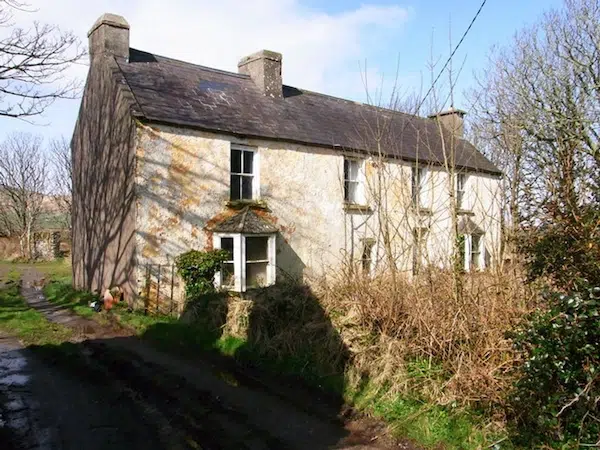
When it comes to buying foreclosed homes, it’s important to be cautious and conduct careful research. This will help you avoid potential pitfalls and ensure that you make a wise investment. One red flag to watch out for is properties with extensive damage or structural issues. These can be costly to repair and may indicate neglect or poor maintenance. Another red flag is properties with multiple liens or outstanding debts. These can complicate the buying process and potentially leave you responsible for paying off the debts. Additionally, be wary of properties located in high-crime areas or neighborhoods with declining property values. These factors can affect the property’s resale value and rental potential. By being vigilant and conducting thorough research, you can minimize the risks associated with buying foreclosed homes.
Understanding Legal Implications
When it comes to buying foreclosed homes, it’s important to be aware of the legal implications involved. There are several key factors to consider before making a purchase. First, it’s crucial to understand the laws and regulations surrounding foreclosures in your area. This includes knowing the foreclosure process, the rights of the homeowner, and any potential risks or liabilities that may arise. Additionally, it’s essential to consult with a real estate attorney who specializes in foreclosures to ensure you are fully informed and protected throughout the buying process.
Protecting Your Investment
When investing in foreclosed homes, it is crucial to take steps to protect your investment. Here are some key strategies to consider:
- Thoroughly Inspect the Property: Before finalizing the purchase, hire a professional inspector to assess the condition of the property. This will help you identify any potential issues or repair costs.
- Review the Title and Liens: Conduct a thorough title search to ensure there are no outstanding liens or legal issues associated with the property. This will help you avoid any unexpected financial obligations.
- Secure Insurance Coverage: Obtain comprehensive insurance coverage for the property to protect against potential damages or liabilities.
- Stay Informed about Local Laws: Familiarize yourself with the local laws and regulations regarding foreclosed properties. This will help you navigate any legal implications that may arise.
- Maintain Regular Communication: Stay in touch with your property management team, contractors, and tenants to ensure that the property is well-maintained and any issues are addressed promptly.
Conclusion
Buying foreclosed homes with no money can be a challenging but rewarding endeavor. By understanding the process, researching the market, exploring financing options, conducting due diligence, making strong offers, and closing the deal, you can successfully navigate the world of foreclosures. However, it is important to be aware of potential pitfalls and take steps to protect your investment. With careful planning and management, you can turn a foreclosed property into a profitable venture. So, take the first step and start exploring the opportunities in the world of foreclosed homes today!
Frequently Asked Questions
Can I buy a foreclosed home with no money down?
It is possible to buy a foreclosed home with no money down, but it can be challenging. You may need to explore creative financing options or government programs that offer assistance for first-time homebuyers.
Are foreclosed homes sold as-is?
Yes, most foreclosed homes are sold as-is, which means they are sold in their current condition. It is important to thoroughly inspect the property and assess any potential repair costs before making a purchase.
What are the risks of buying a foreclosed home?
Buying a foreclosed home comes with some risks. These can include hidden liens or title issues, costly repairs, and potential difficulty in obtaining financing. It is important to do thorough research and due diligence before making a purchase.
How long does it take to buy a foreclosed home?
The timeline for buying a foreclosed home can vary. It depends on factors such as the complexity of the foreclosure process, the availability of financing, and the negotiation process. On average, it can take several months to complete the purchase.
Can I get a mortgage for a foreclosed home?
Yes, it is possible to get a mortgage for a foreclosed home. However, the process may be more challenging compared to buying a traditional home. Lenders may have stricter requirements and may require additional inspections or appraisals.
What should I look for when inspecting a foreclosed home?
When inspecting a foreclosed home, you should look for signs of damage or neglect, such as water damage, structural issues, or pest infestations. It is also important to check the condition of the electrical and plumbing systems.
Can I negotiate the price of a foreclosed home?
Yes, you can negotiate the price of a foreclosed home. In some cases, banks or lenders may be willing to accept offers below the asking price. However, it is important to have a thorough understanding of the market value and comparable sales in the area.
What are the advantages of buying a foreclosed home?
There are several advantages to buying a foreclosed home. These can include lower purchase prices, potential for equity growth, and the opportunity to customize the property to your preferences. Additionally, some foreclosed homes may be eligible for government programs or incentives.