Understanding tenant responsibility for water damage is crucial for both tenants and landlords to ensure a safe and habitable living environment. In this article, we will explore the concept of tenant responsibility for water damage, common causes of water damage, ways to prevent water damage as a tenant, the responsibilities of tenants and landlords in water damage situations, legal implications and disputes, tenant’s rights in water damage situations, and insurance coverage for tenants. By understanding these key aspects, tenants can protect themselves from liability and ensure their rights are upheld in case of water damage.
Table of Contents
Key Takeaways
- Tenants have legal obligations to report water damage promptly and mitigate the damage to the best of their abilities.
- Regular maintenance and inspections can help prevent water damage in rental properties.
- Tenants should use appliances and fixtures properly to minimize the risk of water damage.
- Documenting the damage and cooperating with insurance claims is important for tenants in water damage situations.
- Tenants have rights to a safe and habitable living environment, timely repairs, compensation for damages, and the option to terminate the lease in severe water damage cases.
What is Tenant Responsibility for Water Damage?

Understanding the Concept of Tenant Responsibility
When it comes to water damage, tenants have certain responsibilities that they need to be aware of. It is important for tenants to understand that they may be held liable for any damage caused by their actions or negligence. This includes damage to the property, such as water-damaged floors and walls. Tenants should take precautions to prevent water damage and promptly report any issues to the landlord or property manager. By being proactive and responsible, tenants can help minimize the risk of water damage and ensure a safe living environment.
Legal Obligations of Tenants in Water Damage Situations
Tenants have certain legal obligations when it comes to water damage situations. These obligations are important to ensure the safety and well-being of both the tenant and the property. Here are some key legal obligations that tenants should be aware of:
- Duty to Report: Tenants have a duty to promptly report any water damage or leaks to the landlord or property manager. This allows for immediate action to be taken to mitigate the damage and prevent further issues.
- Mitigation of Damage: Tenants are responsible for taking immediate action to mitigate the damage caused by water. This may include shutting off the water source, removing or protecting belongings, and drying out affected areas.
- Cooperation with Insurance Claims: In the event of water damage, tenants are expected to cooperate with insurance claims. This includes providing necessary information and documentation to support the claim.
- Documentation of Damage: Tenants should document the extent of the water damage by taking photographs or videos. This documentation can be useful for insurance purposes and resolving any disputes that may arise.
It is important for tenants to understand and fulfill these legal obligations in water damage situations to protect their rights and ensure a smooth resolution.
Common Causes of Water Damage

Leaking Pipes and Plumbing Issues
Leaking pipes and plumbing issues can cause significant water damage in rental properties. It is important for tenants to be aware of the potential risks and take necessary precautions to prevent such incidents. Regular maintenance and inspections are key to identifying and addressing any plumbing issues early on. Tenants should also be mindful of their water usage and avoid excessive water pressure that can lead to pipe leaks. Promptly reporting any signs of leaks or plumbing problems to the landlord or property manager is crucial to prevent further damage.
Appliance Malfunctions
Appliance malfunctions can be a common cause of water damage in rental properties. When appliances such as washing machines, dishwashers, or water heaters malfunction, they can leak water and cause significant damage to the property. It is important for tenants to report any appliance malfunctions to their landlord or property manager promptly to prevent further damage. Additionally, tenants should follow any instructions provided by the landlord regarding the use and maintenance of appliances to minimize the risk of malfunctions. Regular inspections and maintenance of appliances can help identify potential issues early on and prevent water damage. If an appliance malfunction does occur, tenants should take immediate action to mitigate the damage by shutting off the water supply and contacting the landlord for assistance. It is important for tenants to understand their tenant rights during water shut-off and the responsibilities of both parties in such situations.
Roof Leaks and Water Intrusion
Roof leaks and water intrusion can cause significant damage to a rental property. It is important for tenants to be aware of the potential risks and take necessary precautions to prevent water damage. Regular inspections of the roof and gutters can help identify any issues early on. Maintenance and repairs should be promptly reported to the landlord or property manager to prevent further damage. In some cases, the responsibility for roof repairs may fall on the landlord, while in others, it may be the tenant’s responsibility. It is important to clarify this in the lease agreement. If you are considering buying a house from a family member, it is crucial to thoroughly inspect the roof for any existing or potential water damage.
Faulty or Damaged Water Fixtures
Faulty or damaged water fixtures can be a common cause of water damage in rental properties. Leaking faucets, cracked pipes, or malfunctioning toilets can lead to water leaks and potential flooding. It is important for tenants to report any issues with water fixtures to their landlord or property manager as soon as they are noticed.
To prevent water damage from faulty or damaged water fixtures, tenants should:
- Regularly inspect faucets, pipes, and toilets for any signs of leaks or damage.
- Promptly report any issues to the landlord or property manager.
- Avoid excessive force when using water fixtures to prevent damage.
Tip: If you notice a dripping faucet or a running toilet, it is important to address the issue promptly to prevent water waste and potential damage.
Preventing Water Damage as a Tenant
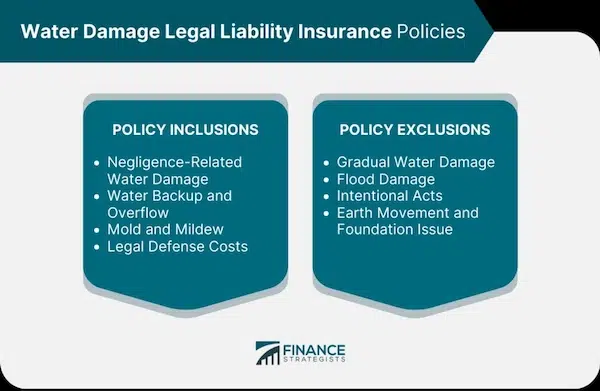
Regular Maintenance and Inspections
Regular maintenance and inspections are essential for tenants to prevent water damage and ensure the longevity of the property. By taking proactive measures and addressing potential issues early on, tenants can avoid costly repairs and minimize the risk of water-related problems. Here are some key steps that tenants can take to maintain a safe and dry living environment:
- Perform regular checks on plumbing fixtures, such as faucets, toilets, and showerheads, to identify any leaks or drips.
- Clean and maintain gutters and downspouts to prevent water from overflowing and causing damage to the property’s foundation.
- Monitor the water bill for any sudden increases, which could indicate a hidden leak.
- Report any signs of water damage, such as stains, mold growth, or musty odors, to the landlord or property manager immediately.
Remember, prevention is key when it comes to water damage. By staying vigilant and addressing maintenance issues promptly, tenants can protect their living space and avoid the equity loss that can result from water damage.
Proper Use of Appliances and Fixtures
When it comes to using appliances and fixtures in your rental property, it’s important to follow proper guidelines to prevent water damage. Here are some key points to keep in mind:
- Avoid overloading appliances such as washing machines and dishwashers, as this can lead to leaks or malfunctions.
- Use caution when adjusting water pressure in faucets and showerheads, as excessive pressure can cause pipes to burst.
- Never pour grease or oil down the kitchen sink, as it can clog the pipes and lead to backups.
- Regularly clean and maintain appliances and fixtures to prevent buildup and potential issues.
Remember, taking care of appliances and fixtures not only helps prevent water damage but also ensures their longevity and proper functioning. By following these guidelines, you can minimize the risk of water damage and maintain a safe living environment for yourself and your neighbors.
Reporting Issues Promptly
When it comes to water damage in a rental property, reporting issues promptly is crucial. By notifying your landlord or property manager as soon as you notice any signs of water damage, you can help prevent further damage and potential health hazards. Delaying the reporting of water damage can have serious consequences, both for your living environment and your financial responsibilities as a tenant.
Understanding the Lease Agreement
The lease agreement is a crucial document that outlines the terms and conditions of the rental agreement between the tenant and the landlord. It is important for tenants to thoroughly read and understand the lease agreement before signing it. The lease agreement typically includes information about the duration of the lease, rent payment details, and the responsibilities of both the tenant and the landlord. It is advisable for tenants to seek legal advice to ensure they fully understand their rights and obligations under the lease agreement.
Tenant’s Responsibilities in Water Damage Situations
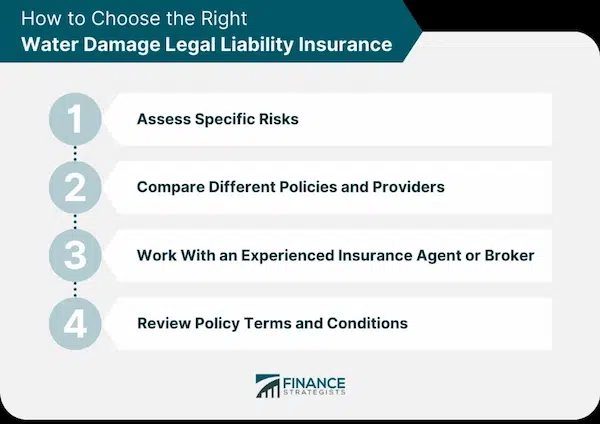
Notifying the Landlord or Property Manager
When you encounter water damage in your rental property, it is crucial to promptly notify your landlord or property manager. Timely communication is essential to ensure that the necessary actions are taken to address the issue and prevent further damage. Reporting the incident as soon as possible allows the landlord or property manager to assess the situation and take appropriate measures to mitigate the damage. It is important to provide detailed information about the extent of the water damage and any potential risks or hazards it may pose.
In addition to notifying the landlord or property manager, it is advisable to document the damage by taking photographs or videos. This documentation can serve as evidence of the water damage and its impact on the property. It is also recommended to keep a record of any communication with the landlord or property manager regarding the water damage, including dates, times, and the content of the conversations.
To ensure a smooth resolution of the water damage situation, it is crucial to cooperate with insurance claims if applicable. This includes providing any necessary information or documentation requested by the insurance company. By cooperating with the insurance claims process, you can help expedite the assessment and settlement of the claim.
Remember, water damage beyond normal wear and tear should be reported to the landlord or property manager as soon as possible to minimize further damage and ensure a timely resolution.
Taking Immediate Action to Mitigate Damage
When faced with water damage, it is crucial for tenants to take immediate action to minimize the extent of the damage and prevent further issues. Here are some steps that tenants can take:
- Shut off the water source: If the water damage is caused by a burst pipe or a leaking fixture, it is important to locate the main water shut-off valve and turn it off to stop the flow of water.
- Remove standing water: If there is standing water in the property, tenants should use buckets, mops, or towels to remove as much water as possible. This can help prevent additional damage and reduce the risk of mold growth.
- Contact the landlord or property manager: Tenants should promptly notify their landlord or property manager about the water damage. Providing detailed information about the situation can help expedite the repair process.
- Document the damage: It is important for tenants to document the water damage by taking photographs or videos. This evidence can be useful for insurance claims and potential legal disputes.
Tip: Remember to prioritize your safety when dealing with water damage. If the situation is hazardous or requires professional assistance, contact a qualified water damage restoration company.
Cooperating with Insurance Claims
When it comes to cooperating with insurance claims, tenants play a crucial role in ensuring a smooth and efficient process. Here are some important steps to follow:
- Notify your insurance company promptly: As soon as you discover water damage, it’s important to inform your insurance company as soon as possible. This will initiate the claims process and allow them to assess the situation.
- Provide accurate and detailed information: When filing a claim, make sure to provide accurate and detailed information about the incident. This includes the cause of the water damage, the extent of the damage, and any relevant documentation or evidence.
- Cooperate with the insurance adjuster: The insurance company will assign an adjuster to assess the damage and determine the coverage. It’s important to cooperate with the adjuster, provide access to the property, and answer any questions they may have.
Tip: Keep a record of all communication with the insurance company, including emails, phone calls, and any documents exchanged.
- Follow the insurance company’s instructions: The insurance company may provide specific instructions on how to proceed with the claim. It’s important to follow these instructions and provide any requested documentation or evidence in a timely manner.
- Document the damage: Take photos or videos of the water damage before any repairs or cleanup takes place. This documentation will serve as evidence for the insurance claim and can help ensure a fair settlement.
By following these steps and cooperating with the insurance claims process, tenants can help expedite the resolution of their water damage claim and ensure they receive the appropriate compensation.
Documenting the Damage
When documenting the damage caused by water, it is important to be thorough and detailed. Take photographs or videos of the affected areas, capturing the extent of the damage and any visible signs of water intrusion. Make notes describing the damage, including the date and time it occurred, as well as any relevant details such as the source of the water or any immediate actions taken to mitigate the damage.
To ensure accuracy and clarity, create a written inventory of damaged items, including their description, value, and condition prior to the incident. This can be helpful when filing insurance claims or seeking compensation from the responsible party.
Additionally, preserve any evidence related to the water damage, such as damaged materials or objects. This can support your case in the event of a dispute or legal action.
Remember, documenting the damage is crucial for protecting your rights as a tenant and ensuring proper resolution of the water damage situation.
Landlord’s Responsibilities in Water Damage Situations

Repairing and Restoring the Property
After water damage occurs, it is crucial for the landlord to take immediate action in repairing and restoring the property. This involves addressing the root cause of the water damage and ensuring that necessary repairs are made promptly. The landlord should also consider hiring professionals who specialize in water damage restoration to ensure the property is properly restored.
In addition to repairs, the landlord should also document the damage and keep records of the restoration process. This documentation can be useful for insurance claims and potential legal disputes. It is important for the landlord to maintain adequate insurance coverage to protect against future water damage incidents.
Tip: Landlords should prioritize addressing water damage promptly to prevent further damage and maintain the value of the property.
Ensuring Adequate Insurance Coverage
When it comes to ensuring adequate insurance coverage, landlords have a responsibility to protect their property and tenants from potential water damage. This includes having a comprehensive insurance policy that covers water-related incidents and damages. It is important for landlords to regularly review and update their insurance coverage to ensure it meets the needs of their property and tenants. Additionally, landlords should communicate with their tenants about the importance of having renter’s insurance to protect their personal belongings in the event of water damage.
In order to fulfill their obligation of notifying tenants of property damage, landlords should promptly inform tenants about any water damage that occurs on the property. This allows tenants to take immediate action to mitigate further damage and protect their personal belongings. Landlords should provide clear instructions on what steps tenants should take and who they should contact in case of water damage. By promptly notifying tenants, landlords can ensure that necessary repairs and restoration are carried out in a timely manner.
Addressing the Root Cause of the Water Damage
Addressing the root cause of water damage is crucial to prevent future incidents and ensure the long-term integrity of the property. It is important for landlords to identify and fix the underlying issues that led to the water damage. This may involve hiring professionals such as plumbers, roofers, or contractors to assess and repair the problem.
Taking prompt action is essential to minimize further damage and prevent the situation from worsening. Landlords should prioritize addressing the root cause of the water damage to avoid recurring issues and potential legal disputes.
In some cases, it may be necessary to implement preventive measures to mitigate the risk of future water damage. This could include installing sump pumps, waterproofing basements, or improving drainage systems.
Regular inspections can also help identify potential issues before they escalate into major problems. Landlords should consider conducting routine checks of plumbing systems, appliances, and the property’s exterior to detect any signs of leaks, drips, or other water-related issues.
By addressing the root cause of water damage and implementing preventive measures, landlords can protect their property and provide tenants with a safe and habitable living environment.
Compensation and Reimbursement
When it comes to compensation and reimbursement for water damage, tenants should be aware of their rights and responsibilities. In situations where the water damage is caused by the landlord’s negligence or failure to address the root cause of the issue, tenants may be entitled to financial compensation for damages incurred. However, it is important for tenants to understand that the process of seeking compensation can be complex and may require legal assistance. It is recommended that tenants consult with a lawyer specializing in landlord-tenant disputes to navigate the legal mechanics of filing a claim and ensuring fair reimbursement.
Legal Implications and Disputes
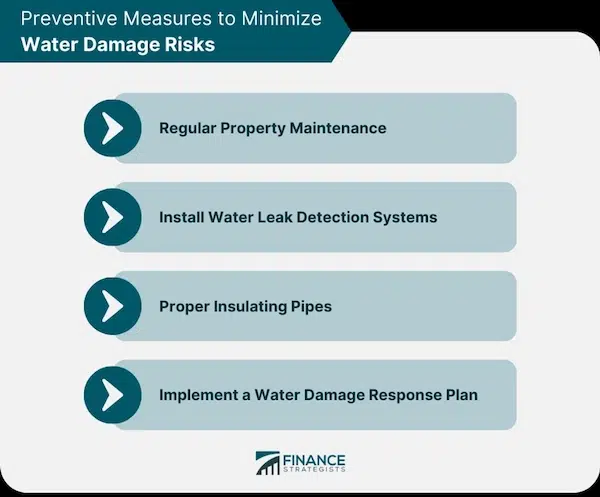
Tenant’s Liability for Negligence
When it comes to water damage caused by negligence, tenants can be held responsible for the resulting damages. Negligence refers to the failure to exercise reasonable care, resulting in harm or damage to the property. In the context of water damage, tenants may be considered negligent if they fail to report leaks or plumbing issues promptly, misuse appliances or fixtures, or ignore signs of potential water damage. It is important for tenants to understand their responsibilities and take appropriate action to prevent water damage.
Tenants should be proactive in reporting any issues to the landlord or property manager as soon as they are noticed. This helps ensure that necessary repairs can be made promptly, minimizing the risk of further damage. Additionally, tenants should take immediate action to mitigate the damage, such as shutting off the water supply or placing buckets to catch leaking water. Cooperating with insurance claims and documenting the damage can also help protect the tenant’s interests in case of disputes or legal actions.
In order to avoid liability for negligence, tenants should familiarize themselves with the terms of their lease agreement. The lease agreement may outline specific responsibilities and obligations related to water damage. By understanding and adhering to these terms, tenants can help maintain a smooth lease process and avoid unnecessary disputes or financial liabilities.
Landlord’s Liability for Negligence
When it comes to water damage caused by negligence on the part of the landlord, tenants may have legal recourse. Landlords have a responsibility to maintain the property and ensure it is in a safe and habitable condition. If a landlord fails to address issues that could lead to water damage, they may be held liable for any resulting damages. This includes situations where the landlord fails to repair leaking pipes, fix roof leaks, or address faulty water fixtures. In such cases, tenants may be able to seek compensation for their losses and damages.
Insurance Coverage and Claims
When it comes to insurance coverage and claims, tenants should be aware of their rights and responsibilities. Renter’s insurance is an important consideration for tenants, as it provides protection for their personal belongings in the event of water damage. It is important to understand the coverage and exclusions of the insurance policy to ensure adequate protection. In case of water damage, tenants should promptly file a claim with their insurance provider to initiate the claims process. The insurance company will assess the damages and provide compensation for the losses incurred. It is important to note that some insurance policies may require a deductible or have limitations on coverage, so tenants should review their policy carefully. In some cases, the landlord’s insurance may also cover certain damages, but tenants should not rely solely on the landlord’s insurance and should have their own renter’s insurance for comprehensive coverage. It is advisable for tenants to document the damages and keep records of any expenses incurred for the claims process. By taking these steps, tenants can ensure a smoother and more efficient resolution to their insurance claims.
Resolving Disputes and Legal Actions
Resolving disputes and legal actions can be a complex and challenging process for both tenants and landlords. It is important to understand the steps involved and the options available to resolve conflicts in a fair and efficient manner. Here are some key points to consider:
- Mediation and arbitration: These alternative dispute resolution methods can help parties reach a mutually agreeable solution without going to court.
- Consulting legal professionals: Seeking advice from lawyers or legal experts can provide valuable guidance and ensure that your rights are protected.
- Reviewing the lease agreement: Carefully reviewing the lease agreement can help clarify the rights and responsibilities of both parties in case of a dispute.
Tip: Communication and open dialogue are essential in resolving disputes. It is important to maintain a professional and respectful approach throughout the process.
If conflicts cannot be resolved through negotiation or alternative dispute resolution methods, legal action may be necessary. In such cases, it is advisable to consult with a lawyer who specializes in landlord-tenant disputes to understand the legal options available and the potential outcomes.
Tenant’s Rights in Water Damage Situations
Right to a Safe and Habitable Living Environment
Tenants have the right to a safe and habitable living environment. This means that the landlord is responsible for ensuring that the property is free from hazards and meets all health and safety standards. It is important for tenants to be aware of their rights and to report any issues or concerns to the landlord or property manager. In some cases, tenants may have the right to withhold rent or terminate the lease if the landlord fails to address serious health and safety issues. It is crucial for tenants to understand their rights and take appropriate action to protect themselves and their well-being.
Right to Timely Repairs and Restoration
Tenants have the right to expect timely repairs and restoration of the property in the event of water damage. It is the landlord’s responsibility to ensure that the property is in good condition and promptly address any issues that arise. This includes addressing the root cause of the water damage and taking the necessary steps to repair and restore the property. Tenants should notify the landlord or property manager as soon as they become aware of any water damage and cooperate with any insurance claims that may be filed. It is important for tenants to document the damage and keep records of any communication with the landlord or property manager.
Right to Compensation for Damages
In the unfortunate event of water damage to your rental property, as a tenant, you have the right to seek compensation for the damages incurred. This compensation can help cover the costs of repairs, replacement of damaged belongings, and any additional expenses resulting from the water damage. It is important to document the extent of the damage and gather evidence to support your claim. First home renters should be aware of their rights and take appropriate action to ensure they receive the compensation they are entitled to.
Right to Terminate the Lease
Tenants have the right to terminate the lease if the landlord fails to fulfill their obligations in repairing property damage caused by water. This can include situations where the landlord does not take prompt action to address the water damage or fails to adequately restore the property. It is important for tenants to carefully review their lease agreement and understand their rights in such situations. Terminating the lease should be considered as a last resort, and tenants may want to seek legal advice before taking this step.
Insurance Coverage for Tenants
Renter’s Insurance
Renter’s insurance is an important consideration for tenants to protect their personal belongings and provide liability coverage. Renter’s insurance typically covers damage or loss caused by water damage, fire, theft, and other covered perils. It is important for tenants to understand the coverage limits, deductibles, and exclusions of their renter’s insurance policy.
- Renter’s insurance provides financial protection in the event of water damage to a tenant’s personal belongings, such as furniture, electronics, and clothing.
- In addition to covering personal property, renter’s insurance may also provide liability coverage if a tenant accidentally causes water damage to the rental property or neighboring units.
- It is recommended that tenants carefully review their renter’s insurance policy and consider obtaining additional coverage if necessary.
Tip: Keep an inventory of your personal belongings and their estimated value to assist with filing a claim in the event of water damage.
Understanding Coverage and Exclusions
When it comes to insurance coverage for tenants, it is important to understand the coverage and exclusions that may apply. Insurance policies can vary in terms of what they cover and what they exclude, so it is crucial to review the policy carefully. Here are some key points to consider:
- Policy Coverage: Familiarize yourself with the specific coverage provided by your renter’s insurance policy. This will help you understand what types of water damage are covered and what may be excluded.
- Exclusions: Pay attention to any exclusions listed in the policy. These are situations or events that are not covered by the insurance policy. Common exclusions may include flooding, sewer backups, or gradual water damage.
- Claim Process: Familiarize yourself with the process for filing a claim for water damage. Understand the documentation required, the timeline for filing a claim, and any deductibles that may apply.
It is important to consult with your insurance provider or agent to fully understand your coverage and any exclusions that may apply.
Filing a Claim for Water Damage
When it comes to filing a claim for water damage, tenants should be aware of their rights and responsibilities. It is important for tenants to understand that tenant responsibility for damages may vary depending on the specific circumstances and the terms of their lease agreement. In general, tenants should take the following steps when filing a claim:
- Document the damage: Take photographs or videos of the water damage to provide evidence for the claim.
- Notify the landlord or property manager: Inform the landlord or property manager about the water damage as soon as possible.
- Cooperate with insurance claims: Provide all necessary information and documentation to support the insurance claim.
- Follow the claims process: Follow the instructions provided by the insurance company and cooperate with their investigation.
It is important for tenants to understand that they may be responsible for any deductibles or costs not covered by their insurance policy. Additionally, tenants should be aware of any deadlines or time limits for filing a claim, as failure to do so may result in the denial of the claim.
Recovering Losses and Damages
When it comes to recovering losses and damages caused by water damage, tenants should be aware of their rights and responsibilities. It is important for tenants to understand that property maintenance plays a crucial role in preventing water damage and minimizing the risk of financial losses. By regularly inspecting and maintaining the property, tenants can identify and address potential issues before they escalate into major problems. This includes checking for leaks, monitoring plumbing systems, and ensuring that appliances are in good working condition.
Conclusion
In conclusion, understanding tenant responsibility for water damage is crucial for both landlords and tenants. By knowing who is responsible for water damage and taking necessary precautions, such as regular maintenance and prompt reporting of issues, both parties can avoid disputes and financial burdens. Landlords should clearly outline the responsibilities in the lease agreement and ensure that tenants are aware of their obligations. Tenants should take proactive measures to prevent water damage and promptly report any issues to the landlord. By working together and being aware of their respective responsibilities, landlords and tenants can maintain a harmonious and safe living environment.
Frequently Asked Questions
What should I do if I discover water damage in my rental unit?
If you discover water damage in your rental unit, you should immediately notify your landlord or property manager. They will need to be made aware of the situation so they can take appropriate action to address the issue.
Am I responsible for water damage caused by a leaking roof?
As a tenant, you are typically not responsible for water damage caused by a leaking roof. It is the landlord’s responsibility to maintain the roof and address any issues that may lead to water intrusion.
What should I do if a pipe bursts in my rental unit?
If a pipe bursts in your rental unit, you should immediately turn off the main water supply to prevent further damage. You should also notify your landlord or property manager as soon as possible so they can arrange for repairs.
Can I be held liable for water damage caused by my own negligence?
Yes, if you are found to be negligent and your actions or lack of action directly result in water damage, you can be held liable for the damages. It is important to take proper care of the property and report any issues promptly to avoid liability.
Is the landlord responsible for water damage caused by a faulty appliance?
If a faulty appliance provided by the landlord causes water damage, the landlord is typically responsible for the resulting damages. It is their responsibility to provide safe and functional appliances.
Can I terminate my lease if my rental unit is severely damaged by water?
In some cases, if your rental unit is severely damaged by water and becomes uninhabitable, you may have the right to terminate your lease. However, it is advisable to consult your lease agreement and local laws to understand your specific rights and obligations.
Do I need renter’s insurance to cover water damage to my personal belongings?
Renter’s insurance is not typically required by law, but it is highly recommended. Renter’s insurance can provide coverage for water damage to your personal belongings, as well as other types of damage or loss.
What should I do if my landlord refuses to address water damage in my rental unit?
If your landlord refuses to address water damage in your rental unit, you may need to take legal action. Consult with a lawyer or local tenant rights organization to understand your options and rights in such a situation.