
The housing market has been a topic of concern for many, with fears of a potential crash looming. However, there are several factors that indicate the housing market is unlikely to crash. This article explores the current state of the housing market, government policies and regulations, economic factors, lessons learned from the 2008 financial crisis, and expert opinions on the market outlook. By examining these key areas, it becomes clear that the housing market is well-positioned for stability and growth.
Table of Contents
Key Takeaways
- Steady increase in home prices
- Low inventory levels
- Strong demand from buyers
- Supportive government initiatives
- Strict lending standards
The Current State of the Housing Market
Steady Increase in Home Prices
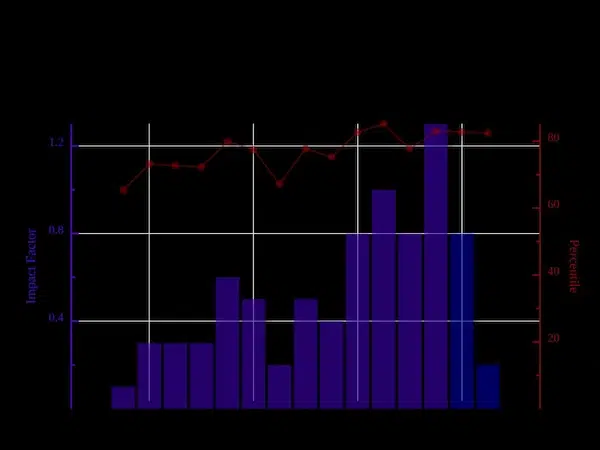
The housing market has experienced a steady increase in home prices, driven by strong demand from buyers and low inventory levels. This trend has created favorable conditions for real estate investment.
Low Inventory Levels
Low inventory levels in the housing market have been a significant factor contributing to the current state of the market. With fewer homes available for sale, competition among buyers has intensified, driving up prices. This imbalance between supply and demand has created a seller’s market, where sellers have the advantage in negotiations. As a result, potential buyers may face challenges in finding a suitable home within their budget.
Strong Demand from Buyers
The strong demand from buyers in the housing market is a key factor contributing to its stability. Buyers are actively seeking properties, resulting in a competitive market. This high demand is driven by various factors such as low interest rates, a stable job market, and rising incomes. As a result, sellers have the advantage of receiving multiple offers and selling their properties quickly.
Government Policies and Regulations

Supportive Government Initiatives
The government has implemented various initiatives to support the housing market and ensure its stability. These initiatives aim to promote homeownership, stimulate business growth, and provide affordable housing options. By offering incentives and tax breaks to homebuyers and developers, the government encourages investment in the housing sector. Additionally, government-backed loan programs and grants help individuals and families with limited financial resources to purchase homes. These initiatives not only boost the housing market but also contribute to overall economic growth.
Strict Lending Standards
Strict lending standards have been put in place to ensure that borrowers have the financial capability to repay their loans. These standards require borrowers to provide detailed documentation of their income, assets, and debts, as well as undergo thorough credit checks. By implementing these strict lending standards, lenders can mitigate the risk of default and ensure the stability of the housing market.
Effective Regulation of Mortgage Market
Effective regulation of the mortgage market is crucial for maintaining stability in the housing market. It ensures that lenders follow strict guidelines and standards when approving mortgage applications, reducing the risk of defaults and foreclosures. This helps to protect both borrowers and lenders, promoting a healthy and sustainable housing market. Additionally, effective regulation helps to prevent predatory lending practices and ensures that borrowers are not taken advantage of. By implementing measures such as requiring lenders to verify borrowers’ income and assets, and setting limits on debt-to-income ratios, regulators can help to ensure that borrowers are not overextending themselves financially.
Economic Factors

Low Interest Rates
Low interest rates have been a key factor in the stability of the housing market. With rates at historic lows, homebuyers have been able to secure affordable mortgages, making homeownership more accessible. This has led to increased demand for housing and a boost in home sales. Additionally, low interest rates have also made refinancing an attractive option for homeowners, allowing them to lower their monthly mortgage payments and potentially save money in the long run.
Stable Job Market
The stability of the job market is a crucial factor in the overall health of the housing market. A strong job market provides individuals with the financial stability and confidence to invest in real estate. Here are some key points highlighting the importance of a stable job market:
- Job security encourages individuals to consider homeownership as a long-term investment.
- Steady employment opportunities contribute to a consistent demand for housing.
- A stable job market supports a steady flow of income, enabling individuals to qualify for mortgage loans.
It is important to note that a stable job market alone is not sufficient to ensure the stability of the housing market. Other factors such as low interest rates and rising incomes also play significant roles. However, a stable job market sets a strong foundation for a healthy housing market.
Rising Incomes
Rising incomes have a significant impact on the housing market. As people earn more money, they have more purchasing power, which allows them to afford higher-priced homes. This increased demand for housing drives up prices and contributes to the overall stability of the market. Additionally, rising incomes can also lead to increased savings, making it easier for individuals to qualify for mortgages and secure financing for their home purchases. Overall, the correlation between rising incomes and a strong housing market is evident.
Lessons Learned from the 2008 Financial Crisis

Improved Risk Management Practices
Improved risk management practices have played a crucial role in preventing another housing market crash. Lessons learned from the 2008 financial crisis have led to stricter regulations and better oversight of lending practices. Financial institutions now have more robust risk assessment models in place to identify potential vulnerabilities. This has helped to mitigate the risk of excessive lending and unsustainable borrowing. The implementation of stress tests has also become a standard practice to evaluate the resilience of financial institutions in adverse economic conditions. Overall, these improved risk management practices have contributed to a more stable housing market.
Stronger Financial Institutions
The 2008 financial crisis highlighted the importance of having stronger financial institutions in place to withstand economic shocks. Since then, significant efforts have been made to improve the stability and resilience of banks and other financial organizations. These measures include stricter regulations, enhanced risk management practices, and increased transparency in the financial sector. As a result, the housing market is now supported by thriving financial institutions that are better equipped to navigate challenging economic conditions.
Increased Transparency in the Housing Market
The increased transparency in the housing market has been a crucial factor in preventing another housing market crash. With improved regulations and reporting requirements, potential buyers and investors now have access to more accurate and reliable information. This transparency allows them to make informed decisions and reduces the risk of fraudulent activities. Additionally, the availability of data on property prices, market trends, and historical sales helps buyers and sellers to evaluate the fair value of properties and negotiate better deals. Overall, the increased transparency in the housing market promotes fairness, trust, and stability.
Market Outlook and Expert Opinions

Positive Forecasts for the Housing Market
Experts predict a stable housing market with positive growth in the coming years. Despite some uncertainties, the overall outlook remains optimistic. Factors such as low interest rates, a stable job market, and rising incomes contribute to the positive forecasts. Additionally, supportive government initiatives and effective regulation of the mortgage market provide stability. Improved risk management practices, stronger financial institutions, and increased transparency in the housing market have also been learned from the 2008 financial crisis.
Expert Analysis on Market Trends
Expert analysis on market trends reveals that the housing market is strongly influenced by various economic factors. Low interest rates, a stable job market, and rising incomes contribute to the stability of the housing market. These factors create a favorable environment for homebuyers, as they can secure affordable mortgage rates and have the financial means to purchase a home. Additionally, the availability of jobs provides a steady stream of potential buyers, further driving demand in the housing market.
Factors Supporting a Stable Housing Market
The stability of the housing market is further supported by various factors. One important factor is the protection of the landlord’s right. Landlords have the legal authority to set rental prices and choose tenants, providing them with a sense of control and stability. This ensures a steady income stream for landlords and encourages investment in rental properties. Additionally, government regulations and policies protect the rights of both landlords and tenants, creating a balanced and fair rental market. These measures help maintain stability and confidence in the housing market.
Conclusion
In conclusion, the housing market is expected to remain stable and not crash in the near future. The current state of the market, with steady increases in home prices, low inventory levels, and strong demand from buyers, indicates a healthy and resilient market. Government policies and regulations, such as supportive initiatives, strict lending standards, and effective regulation of the mortgage market, provide further stability. Economic factors, including low interest rates, a stable job market, and rising incomes, also contribute to the positive outlook. Lessons learned from the 2008 financial crisis, such as improved risk management practices, stronger financial institutions, and increased transparency in the housing market, have helped mitigate potential risks. Expert opinions and market forecasts further support the notion of a stable housing market. Overall, the combination of these factors suggests that the housing market is well-positioned to withstand any potential challenges and continue on a positive trajectory.
Frequently Asked Questions
Will the housing market crash in the near future?
Based on current trends and market indicators, it is unlikely that the housing market will crash in the near future. The market is experiencing steady growth, low inventory levels, and strong demand from buyers, which are all positive factors that contribute to its stability.
Are government policies and regulations supportive of the housing market?
Yes, government initiatives aimed at supporting the housing market have been implemented. Additionally, strict lending standards and effective regulation of the mortgage market help maintain stability and prevent excessive risk-taking.
How do low interest rates affect the housing market?
Low interest rates have a positive impact on the housing market. They make borrowing more affordable, which encourages homebuyers to enter the market and stimulates demand. This, in turn, helps to sustain the market and prevent a crash.
What lessons have been learned from the 2008 financial crisis?
The 2008 financial crisis highlighted the importance of improved risk management practices, stronger financial institutions, and increased transparency in the housing market. These lessons have been taken into account, resulting in a more resilient and stable housing market today.
What are the current market outlook and expert opinions on the housing market?
Experts have provided positive forecasts for the housing market, citing factors such as low interest rates, a stable job market, and rising incomes as supporting its stability. Market trends also indicate a favorable outlook for the housing market.
Is it a good time to buy a house?
The current state of the housing market, with its steady increase in home prices and strong demand from buyers, suggests that it may be a good time to buy a house. However, individual circumstances and financial considerations should be taken into account before making a decision.
What factors contribute to the stability of the housing market?
Several factors contribute to the stability of the housing market, including steady growth in home prices, low inventory levels, strong demand from buyers, supportive government initiatives, strict lending standards, effective regulation of the mortgage market, low interest rates, a stable job market, rising incomes, improved risk management practices, stronger financial institutions, and increased transparency in the housing market.
How can I protect myself from a potential housing market crash?
While it is unlikely that the housing market will crash in the near future, it is always prudent to take precautions. Some ways to protect yourself include diversifying your investments, maintaining a good credit score, having an emergency fund, and staying informed about market trends and economic indicators.