Moving into a new rental property can be an exciting but overwhelming experience. To ensure a smooth transition, it’s important to be well-prepared and organized. This ultimate move-in checklist for tenants will guide you through the process, from finding the perfect rental property to settling into your new home. By following these steps, you can make your move-in experience as stress-free as possible.
Table of Contents
Key Takeaways
- Set a budget and research neighborhoods before starting your search for a rental property.
- Consider working with a real estate agent to help you find the perfect rental property.
- Read and review the lease agreement thoroughly, and understand the terms and conditions.
- Create a moving timeline and pack and organize your belongings in advance.
- Arrange for utilities and services, such as electricity and internet, to be set up before moving in.
Finding the Perfect Rental Property
Determining Your Budget
When determining your budget for renting a property, it is important to consider various factors. Financial planning is crucial to ensure that you can comfortably afford the monthly rent and other expenses. Start by assessing your income and expenses to determine how much you can allocate towards rent. Additionally, consider any additional costs such as utilities, parking fees, and maintenance fees. It is also important to factor in your future financial goals and savings. By creating a realistic budget, you can ensure that you find a rental property that fits your financial situation.
Researching Neighborhoods
When researching neighborhoods, it’s important to consider various factors such as safety, amenities, and proximity to schools and transportation. You want to find a neighborhood that aligns with your lifestyle and meets your needs. Take the time to explore the area and get a feel for the community. Talk to locals, visit local businesses, and attend community events to get a sense of the neighborhood’s vibe. Additionally, check online resources and forums for reviews and discussions about the neighborhood. By doing thorough research, you can ensure that you find the perfect neighborhood for your new home.
Working with a Real Estate Agent
When working with a real estate agent, it is important to establish clear communication and expectations. A good agent will listen to your needs and preferences, and help you find the perfect rental property. They will guide you through the process, from searching for listings to negotiating the lease agreement. Additionally, a real estate agent can provide valuable insights about the local market and help you make informed decisions.
Understanding the Lease Agreement
Reading and Reviewing the Lease
When it comes to reading and reviewing the lease, it is crucial to pay attention to the details. The lease is a legally binding document that outlines the terms and conditions of your tenancy. Take the time to carefully go through the lease and make sure you understand all the clauses and provisions. This will help you avoid any surprises or misunderstandings in the future. Additionally, it is important to protect your financial future by understanding the financial obligations stated in the lease. This includes knowing the amount of rent, due dates, and any additional fees or charges. By being aware of these details, you can plan your budget accordingly and avoid any financial strain.
Understanding Lease Terms and Conditions
When it comes to understanding lease terms and conditions, there are a few key points to keep in mind. First, carefully read and review the lease agreement before signing. This will ensure that you are aware of all the terms and obligations. Second, pay attention to the duration of the lease and any renewal options. It’s important to know how long you will be committed to the rental property. Third, familiarize yourself with the rent payment schedule and any late fees or penalties. This will help you plan your budget accordingly. Finally, be aware of any restrictions or rules outlined in the lease, such as pet policies or noise regulations. By understanding these lease terms and conditions, you can ensure a smooth and hassle-free tenancy.
Negotiating Lease Terms
When negotiating lease terms, it is important to carefully review the agreement and understand the rights and responsibilities of both parties. One key aspect to consider is the deductible insurance policies. This refers to the amount that the tenant is responsible for paying in the event of damage or loss to the rental property. It is crucial to clarify the terms and conditions surrounding deductible insurance policies to ensure that both the tenant and landlord are protected. Additionally, it is recommended to seek legal advice or consult with a real estate professional when negotiating lease terms to ensure a fair and favorable agreement.
Preparing for the Move
Creating a Moving Timeline
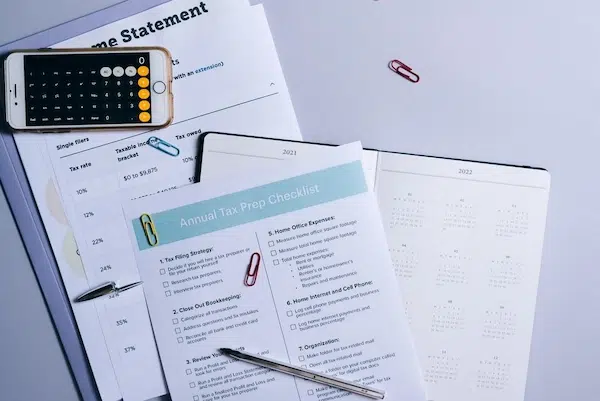
When creating a moving timeline, it’s important to plan ahead and stay organized. Start by determining your desired move-in date and work backwards to set deadlines for each task. This will help you stay on track and ensure a smooth transition. Researching emerging technologies can also be helpful during this stage. Look for innovative tools and services that can streamline the moving process and make it more efficient. Consider using online platforms or apps that offer virtual tours of rental properties, allowing you to explore potential homes without physically visiting them.
Packing and Organizing Belongings
When it comes to packing and organizing your belongings, there are a few key things to keep in mind. First, make sure you have enough packing materials such as boxes, bubble wrap, and tape. This will help protect your items during the move. Additionally, label each box with its contents and the room it belongs to. This will make unpacking much easier and more efficient. Finally, consider creating an inventory list of your belongings. This can be helpful for insurance purposes and to keep track of your items.
Arranging for Utilities and Services
Once you have finalized your rental property, it’s important to arrange for utilities and services to ensure a smooth transition into your new home. Here are some key steps to consider:
- Contact utility providers: Reach out to the necessary utility companies, such as electricity, water, gas, and internet, to set up your accounts and schedule the activation of services.
- Compare service providers: Research different service providers in your area to find the best options for your needs and budget. Consider factors such as reliability, customer reviews, and pricing.
- Notify service providers: If you are switching from your current residence, make sure to inform your existing service providers about your move and cancel any services that will no longer be needed.
Remember, it’s important to arrange for utilities and services well in advance to avoid any last-minute hassles.
Inspecting the Property
Checking for Damages
Before moving into a rental property, it is important to thoroughly inspect the premises for any damages. This step is crucial to protect yourself as a tenant and ensure that you are not held responsible for any pre-existing issues. Take the time to carefully examine each room, paying close attention to walls, floors, and fixtures. Look for signs of tenant damage such as holes in the walls, stains on the carpet, or broken appliances. It is also a good idea to document any existing issues by taking photos or videos.
Documenting Existing Issues
When conducting a rental inspection, it is crucial to thoroughly document any existing issues in the property. This includes both major and minor damages, such as broken appliances, chipped paint, or leaking faucets. By documenting these issues, you can protect yourself from being held responsible for them later on. It is recommended to take photographs or videos of the damages as evidence. Additionally, make sure to note down the date and time of the inspection, as well as any conversations or agreements with the landlord regarding the existing issues.
Notifying the Landlord
Once you have completed the inspection and documented any existing issues, it is important to notify the landlord. This step is crucial to ensure that both parties are aware of the condition of the property before you move in. Communication is key in this process, so make sure to reach out to your landlord promptly. You can send an email or give them a call to inform them about the findings. It is also a good idea to provide them with a copy of the inspection report for their records.
Settling into Your New Home
Unpacking and Setting Up
After completing a long distance move, unpacking and setting up your new home can be an exciting and overwhelming process. Here are some tips to help you get settled:
- Start by unpacking essential items first, such as toiletries, bedding, and kitchen essentials.
- Organize your belongings as you unpack, creating designated spaces for each item.
- Take the time to arrange furniture and decor in a way that suits your preferences and maximizes space.
- Connect and set up necessary utilities, such as electricity, water, and internet.
- Familiarize yourself with the layout of your new home and locate important features like the circuit breaker and water shut-off valve.
Remember, take your time and enjoy the process of making your new space feel like home.
Updating Your Address
Once you have settled into your new home, it is important to update your address with the necessary parties. This ensures that all your important documents and correspondence are sent to the correct location. Planning for the future is crucial, and updating your address is a key step in that process. Whether it is notifying your bank, insurance company, or other service providers, keeping your address up to date ensures a smooth transition and avoids any potential disruptions. Additionally, don’t forget to inform your friends and family about your new address so they can stay connected with you.
Getting to Know Your Neighbors
Building a strong sense of community is an important aspect of settling into your new home. Interacting with your neighbors can help create a friendly and supportive environment. Here are some tips for getting to know your neighbors:
- Attend community events: Participating in local events is a great way to meet your neighbors and get involved in the community.
- Introduce yourself: Take the initiative to introduce yourself to your neighbors. A friendly greeting can go a long way in establishing connections.
- Join neighborhood groups: Joining neighborhood groups or online platforms can provide opportunities to connect with your neighbors and stay informed about community activities.
Remember, building relationships with your neighbors can enhance your living experience and create a sense of belonging.
Conclusion
In conclusion, finding the perfect rental property requires careful consideration of your budget, thorough research of neighborhoods, and the assistance of a real estate agent. Understanding the lease agreement is crucial, including reading and reviewing the lease, understanding the terms and conditions, and negotiating when necessary. Preparing for the move involves creating a moving timeline, packing and organizing belongings, and arranging for utilities and services. When inspecting the property, it is important to check for damages, document existing issues, and notify the landlord. Finally, settling into your new home involves unpacking and setting up, updating your address, and getting to know your neighbors. By following this ultimate move-in checklist, tenants can ensure a smooth and successful transition into their new rental property.
Frequently Asked Questions
1. Can I negotiate the rent price?
Yes, in some cases, you may be able to negotiate the rent price with the landlord. It is worth discussing your budget and any specific circumstances that may warrant a lower rent.
2. What is the security deposit for?
The security deposit is a sum of money paid by the tenant to the landlord to cover any damages or unpaid rent. It is typically refundable at the end of the lease, minus any deductions for damages or unpaid rent.
3. Are pets allowed in the rental property?
This depends on the landlord’s pet policy. Some landlords allow pets with certain restrictions or additional fees, while others do not allow pets at all. It is important to clarify the pet policy before signing the lease.
4. How long is the lease term?
The lease term is the duration of the rental agreement. It can vary depending on the landlord, but common lease terms are 6 months, 1 year, or 2 years. Make sure to clarify the lease term before signing the agreement.
5. What are the responsibilities of the tenant?
The responsibilities of the tenant typically include paying rent on time, maintaining the cleanliness of the property, reporting any damages or issues to the landlord, and following the terms of the lease agreement.
6. Can I make changes to the rental property?
Generally, tenants are not allowed to make major changes to the rental property without the landlord’s permission. It is important to discuss any desired changes with the landlord and obtain written consent if necessary.
7. What happens if I break the lease?
Breaking the lease can have financial and legal consequences. It is important to review the lease agreement for any penalties or fees associated with breaking the lease. In some cases, you may be responsible for paying rent until a new tenant is found.
8. How do I report maintenance issues?
If you encounter any maintenance issues in the rental property, you should promptly notify the landlord or property management company. They will provide instructions on how to report the issue and arrange for repairs.