The housing market is constantly evolving, driven by various factors such as technological advancements, changing demographics, sustainability concerns, urbanization, and affordability challenges. In the next five years, we can expect significant transformations in the way we buy, sell, and live in homes. This article explores the key trends and predictions for the future of the housing market.
Table of Contents
Key Takeaways
- Smart homes and home automation will become increasingly prevalent, offering convenience and efficiency to homeowners.
- Virtual reality will revolutionize the real estate industry, allowing buyers to explore properties remotely.
- Blockchain technology will enhance security and transparency in property transactions.
- The rise of millennials as homebuyers will shape the demand for housing, with a focus on affordability and sustainability.
- Age-friendly housing will be in high demand as the aging population grows.
Technological Advancements in the Housing Market
Smart Homes: The Rise of Home Automation
Smart homes have become increasingly popular in recent years, with homeowners embracing the convenience and efficiency they offer. Home automation systems allow residents to control various aspects of their homes, such as lighting, temperature, and security, through their smartphones or voice commands. These technological advancements have transformed the way we live and interact with our living spaces. In the next five years, we can expect to see even more innovative features and integration of smart home technology.
Virtual Reality: Transforming the Real Estate Industry
Virtual reality (VR) has revolutionized the way the real estate industry operates. With VR technology, potential buyers can now take virtual tours of properties without leaving their homes. This immersive experience allows them to explore every corner of a house or apartment, giving them a comprehensive understanding of the space. VR also enables real estate agents to showcase properties to clients who are unable to physically visit the location. By providing a realistic and interactive virtual environment, VR has significantly enhanced the buying and selling process in the real estate market.
Blockchain Technology: Enhancing Security in Property Transactions
Blockchain technology has revolutionized the way property transactions are conducted, providing enhanced security and transparency. With blockchain, the entire transaction history is recorded and stored in a decentralized ledger, making it virtually impossible to alter or tamper with. This eliminates the need for intermediaries such as banks or lawyers, reducing costs and streamlining the process. Additionally, blockchain technology enables smart contracts, which are self-executing agreements that automatically enforce the terms and conditions of a transaction. This ensures that all parties involved are held accountable and eliminates the risk of fraud or disputes. Homebuyers can have peace of mind knowing that their property transactions are secure and reliable.
Changing Demographics and Housing Demand
Millennials: Shaping the Future of Homeownership
Millennials are playing a significant role in shaping the future of homeownership. With their unique preferences and priorities, this generation is driving changes in the housing market. One key trend among millennials is the desire for flexibility and mobility. Unlike previous generations, millennials are not as tied down to a single location. They are more open to the idea of renting or buying a second home in different cities or even countries. This shift in mindset is reshaping the real estate landscape and creating new opportunities for investors and developers.
In addition to the desire for flexibility, millennials are also focused on sustainability and technology. They are more likely to prioritize energy-efficient homes and eco-friendly construction materials. This demand for sustainable housing solutions is driving innovation in the industry, with builders and developers incorporating renewable energy integration and green building practices.
To cater to the needs of millennials, developers and real estate agents should consider the following strategies:
- Offering flexible homeownership options, such as rent-to-own or shared equity programs, to accommodate millennials’ desire for mobility and affordability.
- Emphasizing sustainability features in marketing materials and property listings to attract environmentally conscious millennials.
- Leveraging technology to streamline the homebuying process and provide virtual tours and 3D visualizations.
As the largest generation in history, millennials have the power to shape the future of homeownership. By understanding their preferences and adapting to their needs, the housing market can thrive and evolve to meet the demands of this influential demographic.
Aging Population: The Need for Age-Friendly Housing
The aging population presents unique challenges for the housing market. As people grow older, their housing needs change, and it becomes important to provide age-friendly housing options. One key aspect of age-friendly housing is responsibility. Housing developers and policymakers have a responsibility to design and create homes that are accessible, safe, and comfortable for older adults. This includes features such as wider doorways, grab bars in bathrooms, and non-slip flooring to prevent falls. Additionally, there is a growing need for housing that supports aging in place, allowing older adults to remain in their homes and communities as they age. This requires thoughtful planning and the integration of supportive services and amenities.
Rise of Single-Person Households: Impact on Housing Market
The rise of single-person households is having a significant impact on the housing market. With more people choosing to live alone, there is a growing demand for smaller, more affordable housing options. This trend has led to a shift in the types of homes being built, with an increase in the construction of apartments and condominiums. Additionally, the rise of single-person households has also resulted in a change in the way homes are designed. Developers are now focusing on creating spaces that are functional and efficient, maximizing the use of limited square footage. This shift in housing preferences has created both challenges and opportunities for the real estate industry.
Sustainable Housing Solutions for a Greener Future
Energy-Efficient Homes: The Key to Sustainable Living
Energy-efficient homes play a crucial role in promoting sustainable living. These homes are designed to minimize energy consumption and reduce carbon emissions. By incorporating advanced technologies and innovative building materials, energy-efficient homes can significantly lower utility bills and contribute to a greener future. Homeowners can take advantage of various incentives and rebates offered by governments and utility companies to make their homes more energy-efficient. Additionally, tenants can also play a part in reducing energy consumption by adopting simple practices such as turning off lights when not in use and using energy-efficient appliances. By sharing the responsibility of energy conservation, both homeowners and tenants can contribute to a more sustainable housing market.
Green Building Materials: Innovations in Eco-Friendly Construction
In the quest for more sustainable housing solutions, the use of green building materials has gained significant attention. These materials are designed to minimize the environmental impact of construction while maximizing energy efficiency and durability. One example of such materials is recycled steel, which not only reduces the demand for virgin steel production but also offers a high strength-to-weight ratio. Another innovative material is bamboo, known for its rapid growth and renewable nature. Bamboo can be used for various purposes in construction, including flooring, walls, and even structural elements. Additionally, hempcrete, a mixture of hemp fibers and lime, has emerged as a popular choice for insulation due to its excellent thermal properties and low environmental impact.
Renewable Energy Integration in Residential Properties
Renewable energy integration in residential properties is becoming increasingly important as we strive towards a greener future. Homeowners are recognizing the essential role that renewable energy plays in reducing carbon emissions and promoting sustainability. By harnessing the power of solar panels, wind turbines, and geothermal systems, residential properties can generate clean and renewable energy. This not only reduces reliance on fossil fuels but also helps homeowners save on energy costs in the long run. Additionally, the integration of renewable energy sources in residential properties contributes to a more resilient and decentralized energy grid.
Urbanization and the Future of Cities
Vertical Living: The Rise of High-Rise Apartments
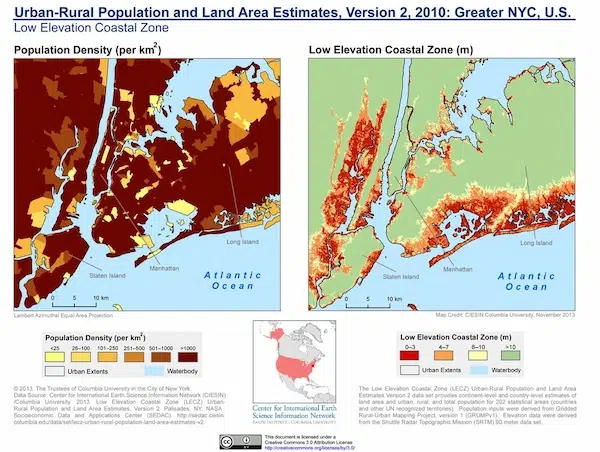
The rise of high-rise apartments has transformed the way people live in cities. With limited space and increasing population, vertical living has become a popular solution to navigate the challenges of urbanization. High-rise apartments offer a compact and efficient living space, allowing residents to make the most of limited square footage. These tall buildings provide stunning views of the cityscape and offer convenient access to amenities and services. However, living in a high-rise apartment also comes with its own set of considerations and challenges.
Mixed-Use Developments: Creating Vibrant Urban Communities
Mixed-use developments are transforming urban landscapes by combining residential, commercial, and recreational spaces in a single location. These developments offer a range of benefits, including increased walkability, convenience, and a sense of community. Innovative design and planning ensure that these communities are vibrant and sustainable.
One key aspect of mixed-use developments is the integration of different types of housing, such as apartments, townhouses, and condominiums. This diversity of housing options caters to a wide range of residents, from young professionals to families and retirees. Variety in housing types promotes inclusivity and creates a dynamic and diverse community.
Another important feature of mixed-use developments is the inclusion of amenities and services within the community. Residents have access to a wide range of facilities, such as parks, fitness centers, restaurants, and shops. This not only enhances the quality of life for residents but also contributes to the overall vibrancy and attractiveness of the community.
Urban planning plays a crucial role in the success of mixed-use developments. Careful consideration is given to factors such as transportation, parking, and public spaces. Sustainable transportation options, such as bike lanes and public transit, are prioritized to reduce reliance on private vehicles and promote a greener lifestyle.
In conclusion, mixed-use developments are reshaping urban living by creating vibrant and inclusive communities. These developments offer a range of housing options, amenities, and services that enhance the quality of life for residents. Through innovative design and sustainable planning, mixed-use developments are paving the way for a more vibrant and sustainable future.
Smart Cities: Harnessing Technology for Urban Efficiency
Smart cities are revolutionizing urban living by leveraging technology to improve efficiency and enhance the quality of life for residents. With the rapid advancements in smart infrastructure and Internet of Things (IoT) devices, cities are becoming more connected and responsive. This connectivity allows for real-time monitoring and management of various urban systems, such as transportation, energy, and waste management.
One of the key benefits of smart cities is the ability to create more sustainable and environmentally-friendly urban environments. By integrating renewable energy sources, optimizing energy consumption, and implementing smart grid systems, cities can reduce their carbon footprint and promote a greener future.
In addition to environmental sustainability, smart cities also focus on improving the livability and quality of life for residents. Through the use of smart sensors and data analytics, cities can gather valuable insights to enhance public safety, optimize traffic flow, and provide efficient public services.
To achieve these goals, smart cities rely on a robust digital infrastructure that enables seamless connectivity and data exchange. This infrastructure includes high-speed internet networks, wireless communication systems, and cloud computing platforms. By leveraging these technologies, cities can efficiently collect and analyze data to make informed decisions and improve urban planning.
While the development of smart cities presents numerous opportunities, it also comes with challenges. One of the main challenges is ensuring affordable housing for all residents. As cities become more technologically advanced, the cost of living may increase, making it difficult for low-income individuals and families to afford housing. To address this issue, city planners and policymakers need to prioritize the development of affordable housing options and implement strategies to ensure inclusivity and accessibility for all.
Affordability Challenges and Solutions
Housing Affordability Crisis: Addressing the Gap
The housing affordability crisis is a pressing issue that needs immediate attention. With rising housing costs and stagnant wages, many individuals and families are struggling to find affordable housing options. This crisis is particularly prevalent in urban areas where the demand for housing is high. Government initiatives play a crucial role in addressing this gap and ensuring that everyone has access to safe and affordable housing. These initiatives include subsidized housing programs, rent control measures, and incentives for developers to build affordable housing units. Additionally, public-private partnerships can also be effective in creating affordable housing solutions.
Alternative Housing Models: Co-living and Co-housing
Co-living and co-housing are alternative housing models that are gaining popularity in urban areas. These models offer a unique solution to the challenges of affordability and social isolation in the housing market. In co-living, individuals or families live together in a shared space, often with communal areas and shared amenities. This model promotes a sense of community and allows for cost-sharing, making it an attractive option for young professionals and students. Co-housing, on the other hand, involves a group of individuals or families living in separate units within a larger community. This model emphasizes shared resources and collaborative decision-making, fostering a strong sense of belonging and mutual support. Both co-living and co-housing provide an alternative to traditional housing arrangements and offer opportunities for social interaction and shared experiences.
Government Initiatives to Promote Affordable Housing
Government initiatives play a crucial role in addressing the housing affordability crisis. These initiatives aim to provide support and assistance to individuals and families who struggle to afford housing. One such initiative is the implementation of rent control policies, which limit the amount landlords can increase rent. This helps prevent excessive rent hikes and provides stability for tenants. Another important initiative is the creation of affordable housing programs, which provide subsidies and incentives for developers to build affordable housing units. These programs help increase the supply of affordable housing and make it more accessible to low-income individuals and families. Additionally, governments may offer tax incentives to encourage private developers to include affordable housing in their projects. These incentives can include tax breaks or reduced property taxes for developers who allocate a certain percentage of their units to affordable housing. By implementing these initiatives, governments can make significant strides in addressing the affordability gap and ensuring that everyone has access to safe and affordable housing.
Conclusion
In conclusion, the future of the housing market in the next 5 years is uncertain. With various factors such as economic conditions, government policies, and population growth, it is difficult to make accurate predictions. However, it is expected that there will be continued demand for housing, especially in urban areas. Technological advancements and changing consumer preferences may also shape the future of the housing market. It is important for both buyers and sellers to stay informed and adapt to the evolving market conditions.
Frequently Asked Questions
What are smart homes?
Smart homes are houses equipped with advanced automation systems that allow homeowners to control various aspects of their home, such as lighting, heating, and security, through a centralized system or mobile app.
How does virtual reality transform the real estate industry?
Virtual reality technology allows potential homebuyers to take virtual tours of properties without physically visiting them. This saves time and resources for both buyers and sellers and enhances the overall homebuying experience.
What is blockchain technology in the housing market?
Blockchain technology is a decentralized and transparent digital ledger that can be used to record and verify property transactions. It enhances security, reduces fraud, and streamlines the process of buying and selling real estate.
How do millennials shape the future of homeownership?
Millennials, as the largest demographic group, have different preferences and priorities when it comes to homeownership. They value flexibility, convenience, and technology, which are driving changes in the housing market.
Why is age-friendly housing important for the aging population?
Age-friendly housing is designed to meet the specific needs of older adults, such as accessibility, safety, and social support. With the aging population, there is a growing demand for housing that promotes independent and healthy living.
How does the rise of single-person households impact the housing market?
The increase in single-person households has led to a higher demand for smaller and more affordable housing options. Developers and builders are adapting to this trend by constructing more studio apartments and micro-homes.
What are energy-efficient homes?
Energy-efficient homes are designed to minimize energy consumption and reduce environmental impact. They incorporate features such as insulation, efficient appliances, and renewable energy systems to lower energy bills and carbon emissions.
What are green building materials?
Green building materials are sustainable and environmentally friendly alternatives to traditional construction materials. They are made from recycled or renewable resources and have a lower environmental impact throughout their lifecycle.