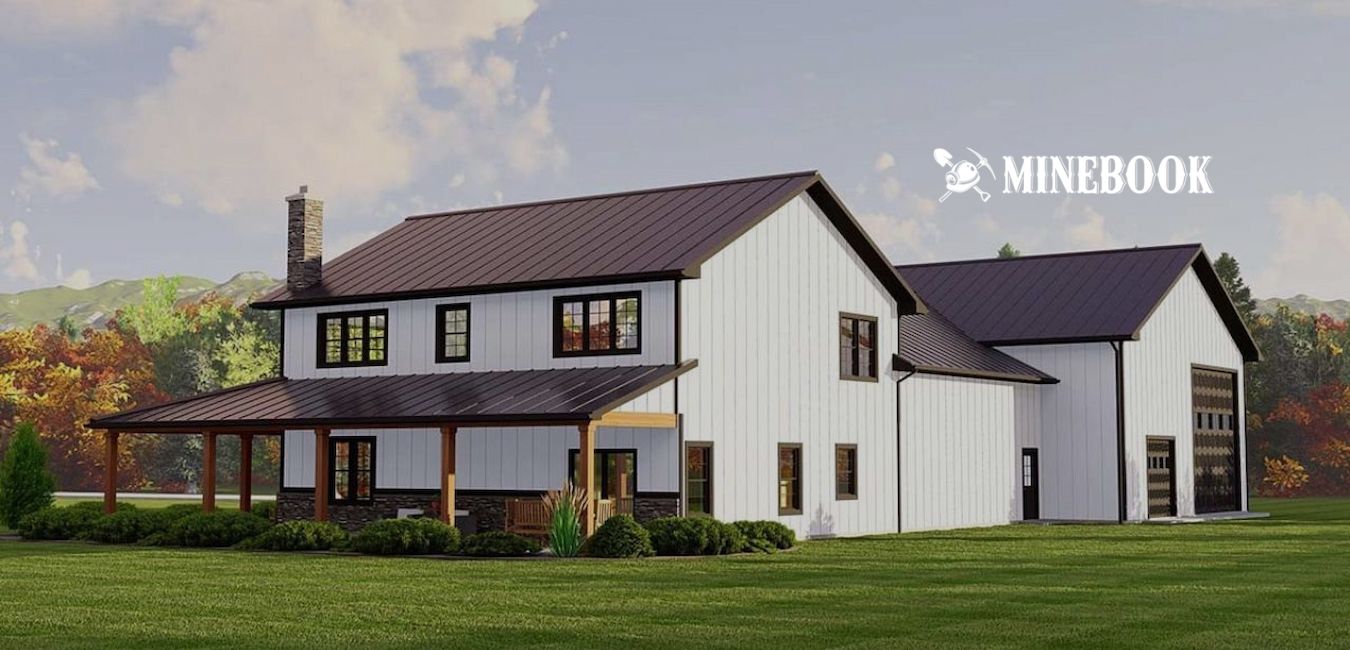
Barndominiums have gained popularity as a unique housing option that combines the rustic charm of a barn with the modern comforts of a home. In this comprehensive guide, we will explore the pros and cons of living in a barndominium, covering aspects such as design, construction, cost analysis, legal considerations, and the lifestyle and community benefits. Whether you’re considering building or buying a barndominium, understanding these key points will help you make an informed decision about this unconventional living space.
Table of Contents
Key Takeaways
- Barndominiums offer a blend of rustic aesthetics and modern design, providing a unique living experience.
- Customization options for barndominiums allow homeowners to create a personalized and functional living space.
- While the initial investment for a barndominium may be higher, lower maintenance costs and energy-efficient features can lead to long-term savings.
- Legal and zoning considerations play a crucial role in the feasibility of building a barndominium, requiring thorough research and compliance with regulations.
- The choice between rural and urban living in a barndominium impacts lifestyle, community integration, and access to amenities, influencing the overall living experience.
What is a Barndominium?
Definition of a Barndominium
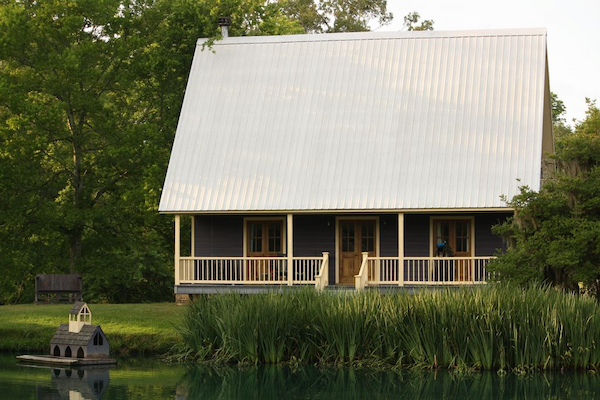
A barndominium, often abbreviated as “barndo,” is a portmanteau of barn and condominium, signifying a dual-purpose structure that combines living quarters with space for hobbies or work. These buildings offer a unique blend of rustic charm and modern living, making them an increasingly popular choice among those looking for an alternative to traditional homes.
Barndominiums can vary widely in design and functionality, reflecting the diverse needs and preferences of their owners.
While originally designed to include large, open spaces for agricultural use or workshops, modern barndominiums have evolved to incorporate a wide range of amenities and styles. Here’s a brief overview of typical features:
- Open floor plans
- High ceilings
- Large windows for natural light
- Customizable living and workspaces
This flexibility in design allows owners to create a space that truly reflects their lifestyle, whether it involves farming, crafting, or simply enjoying a spacious home environment.
History of Barndominiums
The concept of barndominiums originated in the 1980s in Texas, as a practical solution for combining living spaces with workshops or storage areas for agricultural purposes. This innovative approach to rural living quickly gained popularity, offering a unique blend of functionality and comfort.
Barndominiums have evolved significantly from their humble beginnings. Today, they are not just simple, utilitarian structures but can be luxurious homes that reflect the owner’s personal style and needs.
While the original barndominiums were primarily metal buildings, modern versions can be constructed from a variety of materials, including wood, brick, and even concrete. The adaptability of the design allows for a wide range of architectural styles, making each barndominium unique.
- 1980s: Origin in Texas
- 1990s: Rise in popularity
- 2000s: Diversification of materials and designs
- 2010s: Recognition as a mainstream housing option
Benefits of Living in a Barndominium
Living in a barndominium offers a unique blend of rustic charm and modern conveniences, making it an attractive option for many. One of the most significant benefits is the cost-effectiveness of these structures. Due to their simple design and the use of metal buildings, barndominiums can be more affordable than traditional homes, both in terms of initial investment and ongoing maintenance.
Barndominiums are known for their spacious open floor plans, which provide ample room for customization and creativity in interior design.
Another advantage is the energy efficiency of barndominiums. Their construction materials and design often result in lower heating and cooling costs. Additionally, the durability of these buildings means they can withstand severe weather conditions better than many conventional homes.
- Eco-friendly options: Many barndominiums incorporate sustainable features.
- Low maintenance: Metal exteriors require less upkeep.
- Versatility: Can be used as a home, workshop, or both.
Choosing to live in a barndominium can offer a unique lifestyle that combines the best of both worlds: the beauty and tranquility of rural living with the convenience and efficiency of modern design.
Design and Construction
Customization Options
One of the most appealing aspects of a barndominium is the extensive range of customization options available. Homeowners can tailor their living spaces to their exact needs and preferences, from the floor plan to the finishes. This flexibility allows for the creation of unique homes that reflect the personality and lifestyle of their occupants.
The ability to customize a barndominium extends beyond just aesthetic choices. It includes functional aspects such as energy efficiency, accessibility, and even the integration of smart home technologies.
Here are some popular customization options:
- Floor plans: open concept, traditional, split bedroom
- Exterior finishes: metal, wood, stone
- Interior features: lofted ceilings, custom cabinetry, large windows for natural light
- Additional amenities: workshops, garages, and outdoor living spaces
Construction Process
The construction process of a barndominium can vary significantly depending on the complexity of the design and the materials used. However, it generally follows a series of steps that ensure the structure is built to last while also meeting the owner’s specifications.
- Site preparation and foundation laying
- Structural framing and exterior finishing
- Interior finishing and customization
The flexibility in design and construction is a major advantage of barndominiums, allowing owners to create a space that truly fits their lifestyle. This flexibility extends to the choice of sustainable materials and technologies, which can be easily incorporated into the construction process.
The use of energy-efficient materials and systems not only reduces the environmental impact but also significantly lowers long-term operating costs.
Sustainable Features
Barndominiums offer a unique opportunity for homeowners to incorporate sustainable features into their design, significantly reducing their environmental footprint. Energy-efficient windows, solar panels, and rainwater harvesting systems are just a few examples of how these structures can be tailored for sustainability.
The use of sustainable materials not only benefits the environment but also adds to the aesthetic appeal of the home.
Here’s a brief overview of common sustainable features in barndominiums:
- Solar panels for renewable energy generation
- Energy-efficient windows and insulation to reduce heating and cooling costs
- Rainwater harvesting systems for landscape irrigation and other non-potable uses
- Use of recycled or locally sourced materials to minimize transportation emissions and support local businesses
Incorporating these features during the construction phase can lead to long-term savings and a smaller carbon footprint, making it an attractive option for eco-conscious homeowners.
Cost Analysis
Initial Investment
The initial investment for a barndominium can vary widely based on factors such as location, size, and the level of customization desired. The cost-effectiveness of barndominiums compared to traditional homes is a significant advantage, offering more space and flexibility for the price.
The initial cost includes purchasing land (if not already owned), the building kit or materials, and labor for construction.
Here’s a rough breakdown of initial costs:
- Land: Depending on the region, prices can range significantly.
- Building Kit/Materials: Costs vary based on the size and complexity of the design.
- Labor: Labor costs can also fluctuate based on local rates and the project’s scale.
It’s essential to conduct a thorough market research and consult with professionals to get an accurate estimate of the initial investment. This step ensures that you are well-informed about the financial commitment involved in building a barndominium.
Maintenance Costs
One of the appealing aspects of owning a barndominium is the relatively low maintenance costs compared to traditional homes. The use of durable materials such as metal for the exterior and roofing significantly reduces the need for frequent repairs and replacements.
The simplicity of the design and construction also contributes to easier and more cost-effective maintenance.
Here is a brief overview of typical maintenance tasks and their estimated annual costs:
- Roof inspection and maintenance: $150 – $300
- HVAC system check-up: $70 – $100
- Exterior cleaning: $100 – $200
- Gutter cleaning: $50 – $150
While these costs can vary depending on the size and location of your barndominium, they generally remain lower than those associated with more traditional homes. This aspect makes barndominiums an attractive option for those looking to minimize ongoing expenses.
Resale Value
The resale value of a barndominium can be significantly influenced by several factors, including location, design, and the quality of construction. Barndominiums located in desirable areas, where demand for unique and sustainable homes is high, often see a substantial increase in value over time.
The market’s appreciation of sustainable and custom-built homes has made barndominiums a lucrative investment for many.
However, potential sellers should be aware that the niche appeal of barndominiums can sometimes limit the pool of interested buyers, affecting the speed of sale. To maximize resale value, owners should consider the following:
- Maintain the property well: Regular maintenance ensures the home remains in top condition, appealing to potential buyers.
- Update features: Incorporating modern, sustainable features can increase attractiveness and value.
- Market effectively: Utilizing the right marketing strategies to highlight the unique aspects of the property can attract more buyers.
Legal and Zoning Considerations
Zoning Regulations
Understanding the zoning regulations is crucial when planning to build a barndominium. These regulations can significantly vary depending on the location, affecting both the design and the feasibility of your project. Zoning laws dictate what can be built on a property, including the types of structures allowed, their sizes, and their uses.
It’s essential to research local zoning laws early in the planning process to avoid costly mistakes or delays.
Here’s a quick overview of common zoning categories that might affect your barndominium project:
- Residential (R): Typically allows for single-family homes, sometimes including barndominiums.
- Agricultural (A): Often permits barndominiums, especially if they include space for farming activities.
- Commercial (C): Usually restricts residential buildings but may allow mixed-use developments.
Each category comes with its own set of restrictions and allowances, which can influence your project’s scope and design. Consulting with a local zoning official or a land-use attorney can provide valuable insights and help navigate the complex zoning landscape.
Permit Requirements
Navigating the permit requirements for building a barndominium can be a complex process, but it’s a crucial step to ensure your construction is legal and up to code. Local building codes and regulations vary widely, so it’s essential to consult with your local building department early in the planning process.
Before starting your project, make a detailed plan and submit it for approval. This plan should include all aspects of your construction, from the foundation to the roof.
Here’s a simplified list of common permit requirements:
- Site plan showing the location of the barndominium
- Architectural and structural plans
- Electrical, plumbing, and mechanical plans
- Soil and water conservation plans, if applicable
Failure to comply with permit requirements can lead to costly fines and delays. It’s advisable to hire a professional who is familiar with the local regulations to assist in the planning and permitting process.
Insurance Considerations
Securing the right insurance for a barndominium is crucial for protecting your investment. Unlike traditional homes, barndominiums may require specialized insurance policies due to their unique construction and usage. It’s important to consult with insurance providers who have experience with these types of structures to ensure comprehensive coverage.
Insurance premiums for barndominiums can vary widely depending on factors such as location, size, and the materials used in construction. It’s essential to shop around and compare quotes from different insurers to find the best deal. Additionally, consider the inclusion of riders for specific coverages, such as flood or earthquake insurance, which may not be part of a standard policy.
Remember, the right insurance policy not only protects your property but also provides peace of mind.
- Evaluate the property’s risk factors
- Consult with specialized insurance agents
- Compare quotes from multiple insurers
- Consider additional riders for comprehensive coverage
Lifestyle and Community
Rural vs Urban Living
Choosing between rural and urban living when considering a barndominium is a pivotal decision that can significantly affect your lifestyle. Rural areas offer a serene, nature-filled environment, ideal for those seeking peace and tranquility. Urban settings, on the other hand, provide easy access to amenities, services, and the hustle and bustle of city life.
The choice between rural and urban living depends largely on personal preferences and lifestyle needs.
Here’s a quick comparison to help you decide:
- Rural Living: More space, privacy, and closer to nature.
- Urban Living: Better access to amenities, services, and job opportunities.
Each option has its unique benefits and challenges. It’s essential to weigh these carefully to make a decision that best suits your lifestyle and future plans.
Community Integration
Integrating into a community within a barndominium setting can offer a unique blend of privacy and social engagement. Residents often find a strong sense of community among fellow barndominium dwellers, thanks to shared interests and the collaborative spirit of rural living.
Barndominium communities tend to organize events and activities that foster connections among neighbors. From potluck dinners to DIY workshops, these gatherings are pivotal in creating a cohesive community atmosphere.
The process of community integration can vary significantly depending on the location and the existing community structure. Here’s a simple list to help newcomers integrate more smoothly:
- Attend local events and gatherings
- Volunteer for community projects
- Join local clubs or groups that match your interests
- Be open and approachable to neighbors
Successful integration into a barndominium community requires effort and a willingness to engage. However, the rewards of belonging and contributing to a close-knit community are immense and fulfilling.
Amenities and Services
Barndominiums, with their unique blend of rustic charm and modern living, offer a variety of amenities and services that cater to both comfort and functionality. The availability of amenities can significantly influence your quality of life and, by extension, your satisfaction with choosing a barndominium as your home.
While many barndominiums are located in rural areas, this does not mean they lack modern conveniences. On the contrary, many are equipped with high-speed internet, eco-friendly utilities, and community spaces that foster social interactions.
Here’s a quick look at some common amenities found in barndominiums:
- High-speed internet
- Eco-friendly utilities (solar panels, rainwater harvesting systems)
- Spacious outdoor areas
- Community gardens
- Workshop spaces
Each of these amenities contributes to a lifestyle that balances the simplicity of rural living with the demands of modern life. The inclusion of workshop spaces, in particular, highlights the versatility of barndominiums, catering to both personal hobbies and professional needs.
Conclusion
In conclusion, the decision to invest in a barndominium comes with its own set of advantages and disadvantages. It offers a unique living experience with the potential for cost savings and customization, but it also presents challenges such as zoning restrictions and maintenance. Ultimately, the choice to pursue a barndominium should be carefully considered based on individual preferences and circumstances.
Frequently Asked Questions
What is a barndominium?
A barndominium is a type of home that combines living space with a functional barn or workshop, typically constructed in a style similar to a barn.
Are barndominiums suitable for urban living?
While barndominiums are often associated with rural living, they can also be designed for urban settings. However, zoning and building regulations may affect their feasibility in urban areas.
What are the customization options for a barndominium?
Customization options for barndominiums include interior layout, exterior finishes, and additional features such as lofts, porches, and storage areas.
How does the construction process of a barndominium differ from traditional homes?
The construction process of a barndominium often involves pre-engineered metal building systems, which can result in faster construction timelines compared to traditional homes.
What are the maintenance costs associated with a barndominium?
Maintenance costs for a barndominium may include upkeep of metal components, roofing, and any specialized features such as barn doors and windows.
Do barndominiums have resale value?
Barndominiums can have resale value, but factors such as location, design, and upkeep will influence their market appeal and potential resale value.
What zoning regulations should be considered when building a barndominium?
Zoning regulations for barndominiums may vary by location and can impact factors such as building size, setbacks, and land use restrictions.
What insurance considerations are important for barndominium owners?
Barndominium owners should consider insurance coverage for both residential and agricultural aspects of their property, as well as any unique features of the structure.