
Tax deductible living expenses can provide individuals with significant savings on their taxes. By understanding what expenses are tax deductible and how they work, individuals can take advantage of these deductions to reduce their overall tax liability. This article explores the concept of tax deductible living expenses, common expenses that qualify for deductions, the importance of proper documentation and record keeping, strategies for maximizing deductions, and specific deductions available for self-employed individuals. Read on to learn more about how you can potentially lower your tax bill by claiming tax deductible living expenses.
Table of Contents
Key Takeaways
- Tax deductible living expenses can help reduce your overall tax liability.
- Common tax deductible living expenses include home office expenses, mortgage interest, property taxes, health insurance premiums, education expenses, and charitable donations.
- Proper documentation and record keeping are crucial for claiming tax deductions.
- Maximizing your tax deductions involves understanding deduction limits, implementing effective strategies, and seeking professional advice.
- Self-employed individuals have additional deductions available, such as business-related expenses, home office deductions, travel and meal expenses, and health insurance deductions.
Understanding Tax Deductible Living Expenses

What are Tax Deductible Living Expenses?
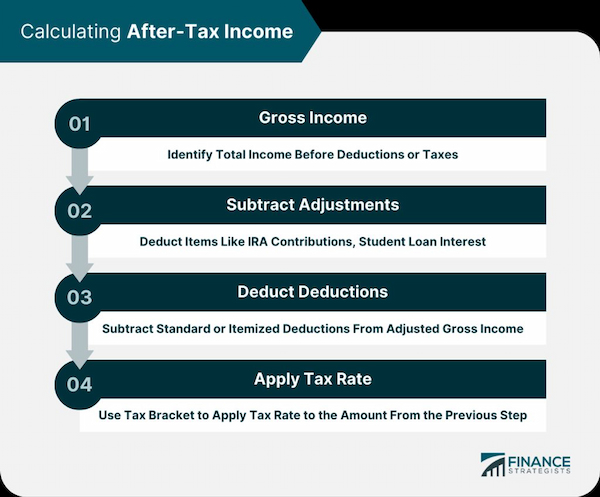
Tax deductible living expenses refer to the expenses that can be deducted from your taxable income, reducing the amount of tax you owe. These expenses are typically related to maintaining your home and supporting your lifestyle. By claiming tax deductible living expenses, you can potentially lower your tax liability and keep more money in your pocket.
How do Tax Deductible Living Expenses Work?
Tax deductible living expenses work by allowing individuals to deduct certain expenses from their taxable income. These deductions can help reduce the amount of taxes owed and increase the amount of money individuals can keep in their pockets. To qualify for tax deductions, expenses must meet certain criteria set by the tax authorities. Some common criteria include the expense being necessary for the individual’s work or business, being directly related to the individual’s work or business, and being reasonable in amount.
One important factor to consider when determining tax deductible living expenses is the percentage of the expense that is used exclusively for business purposes. For example, if an individual uses a portion of their home as a home office, they may be able to deduct a percentage of their home expenses, such as rent or mortgage interest, property taxes, and utilities. The percentage of the home used for business purposes is typically calculated based on the square footage of the home office compared to the total square footage of the home.
It’s important to keep proper documentation and records of tax deductible living expenses. This includes keeping receipts, invoices, and other supporting documents that prove the expenses were incurred and are eligible for deduction. Organizing these records can help make the tax filing process easier and ensure that all eligible deductions are claimed.
To maximize tax deductions, individuals can employ various strategies. This may include taking advantage of tax deduction limits, such as the maximum amount that can be deducted for certain expenses. Seeking professional advice from a tax professional or accountant can also help individuals identify additional deductions they may be eligible for and ensure that they are maximizing their tax savings.
For self-employed individuals, tax deductible living expenses can include business-related expenses such as office supplies, equipment, and advertising costs. Home office deductions can also be claimed if a portion of the home is used exclusively for business purposes. Additionally, travel and meal expenses related to business activities may be deductible. Self-employed individuals may also be able to deduct health insurance premiums as a business expense.
Benefits of Claiming Tax Deductible Living Expenses
Claiming tax deductible living expenses can provide several benefits for individuals. Reduced taxable income is one of the main advantages. By deducting eligible expenses, individuals can lower their overall taxable income, which can result in a lower tax liability. This can lead to significant savings during tax season.
Another benefit is the potential for increased refunds. When individuals claim tax deductible living expenses, they may be eligible for larger tax refunds. This is especially true for individuals who have substantial expenses that qualify for deductions.
Additionally, claiming tax deductible living expenses can help individuals maximize their financial resources. By deducting eligible expenses, individuals can free up funds that can be used for other purposes, such as savings, investments, or paying off debt.
It is important to note that not all living expenses are tax deductible. It is essential to understand the specific criteria and requirements set by the tax authorities to ensure eligibility for deductions.
Common Tax Deductible Living Expenses
Home Office Expenses
One of the common tax deductible living expenses is home office expenses. Small business owners can deduct their home office expenses from their taxes. This deduction is available for individuals who use a portion of their home exclusively for business purposes. The IRS allows taxpayers to deduct expenses such as mortgage interest, insurance, utilities, repairs, maintenance, depreciation, and rent. It is important to keep proper documentation of these expenses to support the deduction.
Mortgage Interest
Mortgage interest is one of the most common tax deductible living expenses. Homeowners who have a mortgage can deduct the interest they pay on their loan from their taxable income. This deduction can result in significant tax savings. It’s important to note that the deduction is only available for mortgages on a primary residence or a second home. Investment property mortgages may not qualify for this deduction.
If you’re eligible to claim the mortgage interest deduction, it’s important to keep track of the interest you pay throughout the year. This can be done by reviewing your annual mortgage statement or contacting your lender for the necessary information. By properly documenting your mortgage interest, you can ensure that you maximize your tax deductions and reduce your overall tax liability.
Property Taxes
Property taxes are taxes that homeowners pay on the value of their property. These taxes are usually assessed by local governments and are based on the assessed value of the property. Claiming property taxes on your tax return can help reduce your overall tax liability. If you pay taxes on your personal property and real estate that you own, your payments may be deductible from your federal income tax bill. It’s important to keep track of the amount you pay in property taxes and any documentation related to these payments.
Health Insurance Premiums
Health insurance premiums are an important aspect of tax deductible living expenses. Premiums are the monthly payments you make to your health insurance provider to maintain coverage. These payments can be tax deductible if you meet certain criteria.
To qualify for the deduction, you must itemize your deductions on Schedule A (Form 1040), Itemized Deductions. The total amount of your medical and dental expenses, including health insurance premiums, must exceed a certain percentage of your adjusted gross income (AGI). The percentage varies depending on your age and other factors.
It’s important to keep detailed records of your health insurance premiums and other medical expenses. This includes invoices, receipts, and statements from your insurance provider. These records will be necessary when filing your taxes and claiming the deduction.
If you have any questions or need assistance with determining your eligibility for the deduction, it’s recommended to seek professional advice from a tax professional or accountant.
Education Expenses
Education expenses can be tax deductible under certain circumstances. One common deduction is the Education Credits, which can provide a tax credit of up to $2,500 for the cost of tuition, fees, and course materials. This credit is available for eligible students who paid these expenses during the tax year. It is important to note that not all education expenses are eligible for this credit, so it is essential to review the IRS guidelines to determine eligibility.
In addition to the Education Credits, there are other deductions and tax benefits related to education expenses. These include the Student Loan Interest Deduction, which allows individuals to deduct up to $2,500 of interest paid on qualified student loans. The Tuition and Fees Deduction is another option, allowing individuals to deduct qualified education expenses up to a certain limit.
It is recommended to keep proper documentation of education expenses, including receipts and records of payments, to support any deductions or credits claimed on tax returns.
Charitable Donations
Charitable donations are an important aspect of tax deductible living expenses. When you donate to qualified charitable organizations, you may be eligible to claim a deduction on your taxes. It’s important to keep proper documentation of your donations, including receipts or acknowledgement letters from the organizations. This documentation will be necessary when filing your taxes.
To maximize your tax deduction for charitable donations, consider the following:
- Donate to qualified organizations: Ensure that the organization you are donating to is eligible for tax deductions. The IRS provides a list of qualified organizations on their website.
- Keep track of your donations: Maintain a record of all your charitable contributions throughout the year. This can include cash donations, donations of property, or even mileage expenses incurred while volunteering.
- Understand the limits: There are limits to the amount you can deduct for charitable donations. Familiarize yourself with these limits to ensure you are maximizing your deduction.
Remember, claiming tax deductions for charitable donations can help reduce your taxable income and potentially lower your overall tax liability.
Documentation and Record Keeping

Importance of Proper Documentation
Proper documentation is crucial when it comes to claiming tax deductions for living expenses. Without the necessary records, you may not be able to provide evidence of your expenses, which could result in the IRS disallowing your deductions.
To ensure you have the documentation you need, it’s important to keep track of all relevant receipts, invoices, and statements. This includes receipts for home office expenses, mortgage interest, property taxes, health insurance premiums, education expenses, and charitable donations.
Additionally, it’s a good idea to create a spreadsheet or use accounting software to organize your records. This will make it easier to calculate your deductions accurately and provide a clear audit trail if necessary.
Remember, proper documentation is not only important for claiming tax deductions but also for protecting yourself in case of an IRS audit. By keeping thorough records, you can confidently support your deductions and minimize the risk of any issues with the IRS.
Types of Records to Keep
When it comes to keeping records for tax purposes, it’s important to be organized and thorough. Here are some key types of records to keep:
- Receipts: Keep all receipts for expenses that may be tax deductible, such as business expenses, medical expenses, and charitable donations.
- Invoices and Contracts: Maintain copies of invoices and contracts related to your business or self-employment activities.
- Bank and Credit Card Statements: Keep statements that show your income, expenses, and any deductible transactions.
- Mileage Logs: If you use your vehicle for business purposes, keep a mileage log to track your deductible mileage.
- Insurance Documents: Keep records of insurance policies, including health insurance, property insurance, and business liability insurance.
- Tax Forms: Retain copies of your tax returns, W-2 forms, 1099 forms, and any other tax-related documents.
Remember, maintaining accurate and organized records is essential for claiming tax deductions and avoiding any potential issues with the IRS.
Organizing Your Records
Proper documentation and record keeping are essential when it comes to claiming tax deductions for living expenses. Without organized records, it can be challenging to provide evidence of your expenses and justify your deductions to the tax authorities. To ensure you have all the necessary documentation, consider the following steps:
- Keep all receipts and invoices related to your deductible expenses. This includes receipts for home office supplies, mortgage interest payments, property taxes, health insurance premiums, education expenses, and charitable donations.
- Create a separate folder or file for each category of expenses. This will make it easier to locate specific documents when needed.
- Use digital tools or software to store and organize your records. Digital storage not only saves physical space but also allows for easy search and retrieval of documents.
- Regularly review and update your records. Set aside time each month or quarter to review your expenses and ensure all relevant documents are accounted for.
By following these record-keeping practices, you can streamline the process of claiming tax deductions and minimize the risk of missing out on eligible expenses.
Maximizing Your Tax Deductions

Understanding Tax Deduction Limits
When it comes to tax deduction limits, it’s important to understand the rules and regulations set by the tax authorities. These limits determine the maximum amount you can deduct from your taxable income. It’s crucial to stay within these limits to avoid any penalties or audits.
To ensure you maximize your deductions while staying within the limits, consider the following strategies:
- Keep track of all your expenses and ensure they are eligible for deductions.
- Prioritize deductions that provide the most significant tax savings.
- Consider timing your expenses to maximize deductions in a particular tax year.
Remember, seeking professional advice from a tax expert can help you navigate the complexities of tax deduction limits and ensure you make the most of your eligible deductions.
Strategies for Maximizing Deductions
When it comes to maximizing your tax deductions, there are several strategies you can employ. Here are a few key tips to keep in mind:
- Keep detailed records: Maintaining accurate and organized records is crucial for claiming deductions. Make sure to keep receipts, invoices, and any other relevant documents.
- Take advantage of tax credits: In addition to deductions, explore opportunities for tax credits. These can provide additional savings on your tax bill.
- Consider timing: Timing your expenses strategically can help maximize your deductions. For example, if you have significant medical expenses, consider scheduling treatments or procedures towards the end of the year to maximize your deduction.
- Seek professional advice: Tax laws and regulations can be complex. Consulting with a tax professional can ensure you are taking full advantage of all available deductions and credits.
Remember, maximizing your deductions can help reduce your taxable income and potentially increase your tax refund.
Seeking Professional Advice
When it comes to navigating the complexities of tax deductible living expenses, seeking professional advice can be highly beneficial. Tax laws and regulations are constantly changing, and it can be challenging to stay up to date with the latest information. Consulting with a tax professional who specializes in this area can help ensure that you are maximizing your deductions and taking advantage of any available tax benefits.
Additionally, a tax professional can provide guidance on the documentation and record keeping requirements for claiming tax deductible living expenses. They can help you understand what types of records to keep and how to organize them effectively. This can be especially important if you are self-employed or have a complex financial situation.
Here are a few key reasons why seeking professional advice is important:
- Expert knowledge: Tax professionals have in-depth knowledge of tax laws and regulations, allowing them to provide accurate and up-to-date advice.
- Maximizing deductions: They can help you identify all eligible deductions and ensure that you are taking full advantage of them.
- Avoiding errors: Tax professionals can help you avoid costly mistakes and errors on your tax return.
In conclusion, seeking professional advice when it comes to tax deductible living expenses is a wise decision. It can help you navigate the complexities of the tax system, maximize your deductions, and ensure compliance with all relevant regulations.
Tax Deductible Living Expenses for Self-Employed Individuals
Business-related Expenses
When it comes to tax deductible living expenses for self-employed individuals, business-related expenses play a crucial role. These expenses are directly related to the operation of your business and can be deducted from your taxable income. Examples of business-related expenses include:
- Office supplies
- Advertising and marketing costs
- Professional fees
- Business insurance
By keeping track of these expenses and properly documenting them, you can maximize your tax deductions and reduce your overall tax liability. It’s important to consult with a tax professional to ensure you are taking advantage of all eligible deductions and staying compliant with tax laws.
Home Office Deductions
For self-employed individuals, the home office deduction is a valuable way to reduce taxable income. To qualify, the space must be used exclusively and regularly for business purposes. This deduction allows you to write off a portion of your rent, utilities, and other home expenses based on the percentage of your home used for business.
Eligibility Criteria:
- Exclusive use of the space for business
- Regular use for business
- Principal place for your business
When calculating the deduction, there are two methods: the simplified option and the regular method. The simplified option uses a standard rate per square foot, while the regular method requires calculating the actual expenses of the home office area.
Tip: Always measure your home office space accurately and keep a diagram with measurements in case of an IRS audit. Consistent record-keeping is essential to substantiate your deduction claims.
Travel and Meal Expenses
When it comes to tax deductible living expenses, travel and meal expenses can often be claimed by self-employed individuals. Travel expenses include transportation costs such as airfare, train tickets, and rental cars, as well as lodging expenses. Meal expenses can also be deducted, but there are certain rules and limitations that apply.
To claim travel and meal expenses as tax deductions, it is important to keep detailed records of the expenses incurred. This includes receipts, invoices, and any other supporting documentation. It is also advisable to separate personal expenses from business expenses to ensure accurate reporting.
Here are some key points to remember when claiming travel and meal expenses:
- Only expenses that are directly related to business activities can be claimed.
- The expenses must be necessary and ordinary for your line of work.
- There may be limitations on the amount that can be deducted for meal expenses, such as a percentage of the total cost.
It is important to consult with a tax professional or accountant to ensure that you are following the proper guidelines and maximizing your deductions.
Health Insurance Deductions
Health insurance premiums can be tax deductible for self-employed individuals. Most self-employed taxpayers can deduct health insurance premiums, including age-based premiums for long-term care coverage. Write-offs are available whether or not you itemize deductions. To qualify for the deduction, you must meet certain criteria, such as being self-employed and not eligible for employer-sponsored health insurance. It’s important to keep proper documentation of your health insurance premiums and consult with a tax professional to ensure you are maximizing your deductions.
Conclusion
In conclusion, exploring tax deductible living expenses can provide individuals with valuable opportunities to reduce their tax burden. By understanding the eligible expenses and keeping detailed records, taxpayers can take advantage of deductions that can save them significant amounts of money. It is important to consult with a tax professional or utilize tax software to ensure compliance with the latest tax laws and regulations. With careful planning and documentation, individuals can maximize their tax deductions and achieve a more financially secure future.
Frequently Asked Questions
What are tax deductible living expenses?
Tax deductible living expenses are expenses that can be deducted from your taxable income, thereby reducing the amount of tax you owe. These expenses are typically related to maintaining your home and supporting your daily living.
How do tax deductible living expenses work?
When you incur tax deductible living expenses, you can claim them as deductions on your tax return. The amount you can deduct depends on the specific expense and the tax laws in your country. By deducting these expenses, you can lower your taxable income and potentially reduce your tax liability.
What are the benefits of claiming tax deductible living expenses?
Claiming tax deductible living expenses can help you save money on taxes. By deducting these expenses, you can potentially lower your taxable income, resulting in a lower tax bill. Additionally, claiming these deductions can provide financial relief and help you manage your overall living expenses.
What are home office expenses?
Home office expenses are expenses related to the portion of your home that you use for business purposes. These can include rent or mortgage interest, utilities, insurance, repairs, and other expenses directly related to maintaining your home office.
Can I deduct mortgage interest as a tax deductible living expense?
In many countries, mortgage interest can be deducted as a tax deductible living expense. However, there may be certain limitations or restrictions depending on your specific circumstances and the tax laws in your country. It is recommended to consult with a tax professional or refer to the tax regulations for more information.
Are property taxes tax deductible?
In some countries, property taxes can be deducted as tax deductible living expenses. However, the deductibility of property taxes may vary depending on your jurisdiction. It is advisable to consult with a tax professional or refer to the tax laws in your country to determine the eligibility of property tax deductions.
Can health insurance premiums be claimed as tax deductible living expenses?
In certain cases, health insurance premiums can be claimed as tax deductible living expenses. However, the eligibility for deducting health insurance premiums may depend on various factors, such as your employment status, the type of health insurance plan, and the tax laws in your country. It is recommended to consult with a tax advisor or refer to the tax regulations for specific guidelines.
What education expenses can be claimed as tax deductible living expenses?
Certain education expenses, such as tuition fees, textbooks, and educational supplies, may be eligible for tax deductions as living expenses. However, the deductibility of education expenses can vary depending on the purpose of the education and the tax laws in your country. It is advisable to consult with a tax professional or refer to the tax regulations for specific guidelines.