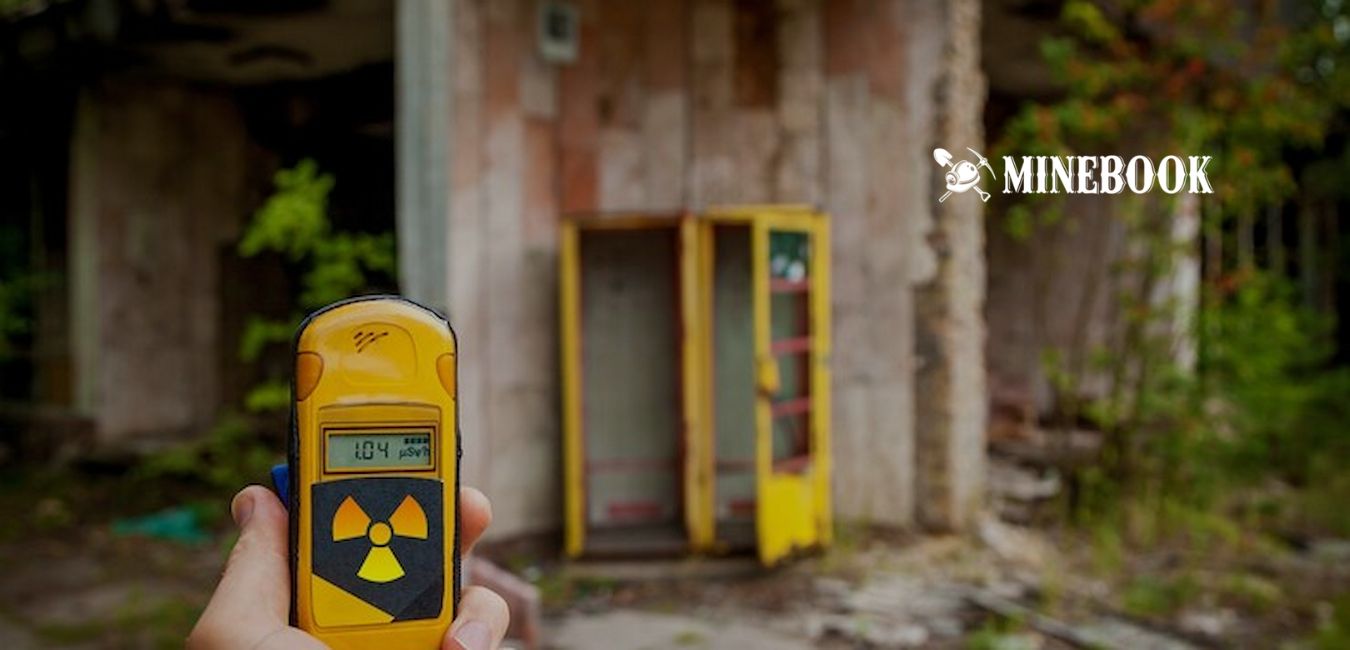
Radon testing is an essential part of home inspections, especially for those living in areas with high radon levels. This article explores what radon testing is, why it is important, how it is conducted, and how to interpret the test results. It also highlights the benefits of radon testing, such as protecting your health, ensuring a safe living environment, and reducing the risk of lung cancer. Additionally, it discusses when radon testing should be done, including during home inspections, when buying or selling a home, and after home renovations. The article also covers different radon testing methods, such as short-term vs long-term testing, passive vs active testing, and DIY vs professional testing. Lastly, it explores various radon mitigation techniques, including sealing cracks and openings, installing radon ventilation systems, and sub-slab depressurization.
Table of Contents
Key Takeaways
- Radon testing is crucial for identifying and addressing radon gas levels in homes.
- It is important to test for radon to protect your health and ensure a safe living environment.
- Radon testing can help reduce the risk of lung cancer, as radon gas is a leading cause of the disease.
- Radon testing should be done during home inspections, when buying or selling a home, and after home renovations.
- There are different radon testing methods available, including short-term vs long-term testing, passive vs active testing, and DIY vs professional testing.
What is Radon Testing?
Understanding Radon Gas
Radon gas is a colorless and odorless gas that is formed from the natural decay of uranium in soil, rock, and water. It can seep into homes through cracks in the foundation, gaps in walls, and other openings. Exposure to high levels of radon gas can increase the risk of lung cancer. It is important to test for radon in your home to ensure the safety of you and your family.
Why is Radon Testing Important?
Radon testing is crucial for ensuring the safety and well-being of occupants in a home. Increased visibility of radon gas has raised concerns about its potential health risks. It is a colorless and odorless gas that is naturally present in the environment. Exposure to high levels of radon can increase the risk of lung cancer, especially for smokers. Therefore, it is important to conduct radon testing to identify if there are elevated levels of radon in a home.
How is Radon Testing Conducted?
Radon testing is typically conducted by using specialized devices that measure the levels of radon gas in a home. These devices are placed in different areas of the house, such as the basement, living room, and bedrooms, to get an accurate representation of the radon levels throughout the property. The testing period usually lasts for a specific duration, such as 48 hours or longer, depending on the type of test being conducted. During this time, it is important to keep all windows and doors closed to prevent any interference with the test results.
Interpreting Radon Test Results
After conducting a radon test in your home, it is important to understand the results to ensure the safety of your living environment. Radon test results are typically measured in picocuries per liter (pCi/L) of air. The Environmental Protection Agency (EPA) has set a recommended action level of 4 pCi/L. If the radon levels in your home are below this level, it is considered safe. However, if the levels exceed 4 pCi/L, mitigation measures should be taken to reduce the radon concentration.
Benefits of Radon Testing
Protecting Your Health
Radon testing is an essential step in ensuring the safety of your home and the health of your family. Exposure to high levels of radon gas can have serious health consequences, including an increased risk of lung cancer. It is important to test your home for radon regularly to identify any potential issues and take appropriate mitigation measures.
Ensuring a Safe Living Environment
Ensuring a safe living environment is crucial for the well-being of you and your family. Radon testing plays a vital role in identifying and mitigating potential health risks associated with radon gas. By conducting regular radon tests, you can protect your loved ones from the harmful effects of this invisible gas.
Radon is a colorless and odorless gas that can seep into your home through cracks and openings in the foundation. It is a known carcinogen and prolonged exposure to high levels of radon can increase the risk of developing lung cancer.
To ensure a safe living environment, it is important to take proactive measures to reduce radon levels in your home. This can be achieved through various radon mitigation techniques such as sealing cracks and openings, installing radon ventilation systems, and sub-slab depressurization.
By addressing radon gas in your home, you can create a healthier and safer living environment for you and your family.
Reducing the Risk of Lung Cancer
Reducing the risk of lung cancer is one of the key benefits of radon testing. Radon gas is a leading cause of lung cancer, and long-term exposure to high levels of radon can significantly increase the risk. By conducting radon testing in your home, you can identify if there are elevated levels of radon and take necessary steps to mitigate the risk. Radon testing provides valuable information about the radon levels in your home and allows you to make informed decisions to protect your health and the health of your family.
When Should Radon Testing be Done?
During Home Inspections
During a home inspection, radon testing is an important step to ensure the safety of the occupants. Radon is a colorless and odorless gas that can seep into homes through cracks and openings in the foundation. It is a known carcinogen and prolonged exposure to high levels of radon can increase the risk of lung cancer. Testing for radon during a home inspection allows homeowners to identify if there are elevated levels of radon in their home and take necessary mitigation measures.
When Buying or Selling a Home
When buying or selling a home, radon gas measurement is an essential step to ensure the safety and well-being of the occupants. Radon is a colorless and odorless gas that can seep into homes through cracks and openings in the foundation. It is a known carcinogen and prolonged exposure to high levels of radon can increase the risk of lung cancer. Therefore, it is crucial to conduct radon testing to determine the radon levels in a home before making a purchase or putting it on the market.
After Home Renovations
After completing home renovations, it is important to consider radon testing to ensure the safety of your living environment. Radon is a colorless, odorless gas that can seep into your home through cracks and openings in the foundation. It is a known carcinogen and exposure to high levels of radon can increase the risk of lung cancer. By conducting radon testing after renovations, you can identify any potential radon issues and take appropriate measures to mitigate them.
Choosing a Radon Testing Method

Short-Term vs Long-Term Testing
When it comes to radon testing, there are two main methods: short-term testing and long-term testing. Short-term testing is a quick way to get an initial assessment of radon levels in your home. It typically involves placing a radon testing device in your home for a period of 2 to 7 days. This method is useful if you need results quickly or if you are unsure if further testing is necessary.
On the other hand, long-term testing provides a more accurate and comprehensive picture of radon levels over an extended period of time. This method involves placing a radon testing device in your home for a minimum of 90 days, and sometimes up to a year. Long-term testing is recommended for a more reliable assessment of radon levels, as it takes into account seasonal variations and fluctuations.
It’s important to note that both short-term and long-term testing methods have their advantages and limitations. It’s recommended to consult with a radon professional to determine which method is best suited for your specific situation.
Passive vs Active Testing
When it comes to radon testing, there are two main methods: passive testing and active testing. Passive testing involves the use of devices that do not require power or continuous monitoring. These devices are typically placed in the home for a specific period of time to measure radon levels. On the other hand, active testing involves the use of devices that require power and continuous monitoring. These devices provide real-time data and can be more accurate in detecting radon levels. Both methods have their advantages and disadvantages, and the choice between passive and active testing depends on various factors such as cost, convenience, and the specific needs of the homeowner.
DIY vs Professional Testing
When it comes to radon testing, there are two main options to consider: DIY testing or hiring a professional. Both methods have their pros and cons, and it’s important to understand the differences before making a decision.
DIY testing involves using a radon testing kit that can be purchased online or at a local hardware store. These kits typically include a set of instructions and the necessary equipment to conduct the test. DIY testing can be a cost-effective option for homeowners who want to monitor radon levels on their own.
On the other hand, professional testing is conducted by certified radon professionals who have the expertise and experience to accurately measure radon levels in a home. They use specialized equipment and follow strict protocols to ensure accurate results. Professional testing may be necessary in certain situations, such as when buying or selling a home or if there are specific concerns about radon in the area.
Here are some key points to consider when deciding between DIY and professional testing:
- DIY testing is generally less expensive, but it requires more effort and may not provide as accurate results as professional testing.
- Professional testing provides more reliable results and may be required in certain situations, but it can be more expensive.
- If you choose to do DIY testing, make sure to follow the instructions carefully and send the test samples to a certified laboratory for analysis.
It’s important to weigh the pros and cons of each method and choose the one that best suits your needs and circumstances. Whether you decide to do DIY testing or hire a professional, the most important thing is to ensure that your home is safe from radon gas.
Radon Mitigation Techniques
Sealing Cracks and Openings
One of the key steps in radon mitigation is sealing cracks and openings in the foundation of a home. These cracks and openings can provide pathways for radon gas to enter the living space. By sealing them, you can significantly reduce the amount of radon that enters your home.
Installing Radon Ventilation Systems
Installing radon ventilation systems is a crucial step in mitigating radon gas levels in a home. These systems are designed to remove radon gas from the soil beneath the home and prevent it from entering the living space. By installing a radon ventilation system, homeowners can significantly reduce the risk of radon exposure and protect their health. It is important to note that radon ventilation systems should be installed by professionals who are trained in radon mitigation techniques.
Sub-Slab Depressurization
Sub-slab depressurization is a radon mitigation technique that is commonly used to reduce radon levels in homes. It involves creating a vacuum beneath the home’s foundation to draw radon gas out of the soil and prevent it from entering the living space. This technique is particularly effective in homes with high radon levels and can significantly reduce the risk of radon-related health issues.
Conclusion
In conclusion, radon testing is an essential part of home inspection that helps to ensure the safety and well-being of occupants. By understanding the risks associated with radon gas and conducting regular testing, homeowners can protect their health and reduce the risk of lung cancer. Whether it is done during home inspections, when buying or selling a home, or after home renovations, radon testing should be prioritized. It is important to choose the appropriate testing method, whether it is short-term or long-term, passive or active, and DIY or professional. Additionally, implementing radon mitigation techniques such as sealing cracks, installing ventilation systems, and sub-slab depressurization can further reduce radon levels and create a safe living environment. Overall, radon testing is a crucial step in maintaining a healthy home and ensuring the well-being of its occupants.
Frequently Asked Questions
What is radon gas?
Radon gas is a radioactive gas that is formed naturally from the decay of uranium in soil, rock, and water.
Is radon gas harmful to health?
Yes, radon gas is harmful to health. Prolonged exposure to high levels of radon gas can increase the risk of developing lung cancer.
How does radon enter a home?
Radon can enter a home through cracks in the foundation, gaps in floors and walls, and through the water supply.
Can radon be detected without testing?
Radon is a colorless and odorless gas, so it cannot be detected without proper testing.
How long does a radon test take?
The duration of a radon test can vary depending on the testing method used. Short-term tests usually take between 2 to 7 days, while long-term tests can take several months.
Should I test for radon if my neighbor’s test came back low?
Yes, it is recommended to test for radon even if your neighbor’s test came back low. Radon levels can vary from one home to another, so it is important to test your own home.
Can radon levels be reduced in a home?
Yes, radon levels can be reduced in a home through radon mitigation techniques such as sealing cracks and openings, installing radon ventilation systems, and sub-slab depressurization.
Is radon testing necessary for new homes?
Yes, radon testing is necessary for new homes. Even newly constructed homes can have high levels of radon, so it is important to test for radon during the home inspection process.